

How Christian Homeowners Create Homes Filled With Peace, Prayer, and Beautiful Design
There is a home somewhere in your memory — maybe a grandmother's house, maybe a mentor's living room, maybe a place you visited only once — where the moment you stepped through the door, something in you went quiet. The noise of the day fell away. Your shoulders dropped. You took a breath that felt different from every breath you had taken since morning. You did not want to leave, and when you did, you carried something of that place with you for the rest of the day.
You were not imagining it. What you felt was real. And it has a name.
Today, we are exploring the Sanctuary Effect — what creates it, why it matters deeply for women of faith, and how you can begin building it into your own home starting right now.
“The Lord bless you and keep you; the Lord make His face shine upon you and be gracious to you; the Lord turn His face toward you and give you peace.”
Peace is not an accident.
In this most ancient of blessings, God's desire for His people ends not with success or safety or abundance, but with peace.
Your home is one of the most powerful physical environments through which that peace can be cultivated, experienced, and extended to every person who walks through your door. That is not decoration. That is designed with eternal purpose.
Why So Many Beautiful Homes Don't Feel Like Sanctuaries
Here is the quiet crisis that lives inside thousands of beautifully appointed homes across this country: they look extraordinary and feel like nothing. The countertops are stunning, the furniture is carefully chosen, the accessories are curated with a designer's eye — and still, the woman who lives there does not linger. Still, she finds herself restless in the space. Still, she cannot shake the sense that something essential is missing, even though she could not tell you what it is.
This is one of the most misunderstood forms of design dissatisfaction, and it is far more common than anyone talks about. It hides behind statements like "I just need to redecorate," and "maybe I need a new sofa," and "it'll feel better once I find the right rug." It sounds like a style problem. It is seldom a style problem.
The real issue is that most of us have learned to design our homes from the outside in. We have absorbed a cultural framework that evaluates a home based on how it looks to others — how it photographs, how it trends, how it compares to the design content we consume daily on social media. That framework is not wrong exactly. But it is radically incomplete. It asks all the wrong questions. It asks what will impress, what will resell, what will trend — and it never asks the question that matters most: does this home serve the peace and purpose of the people who actually live here?
When that question is missing from the design process, you can build a technically beautiful home and still feel like a visitor in it. You can invest significantly in aesthetics and still wake up each morning in a space that does not restore you. You can do everything right by the world's standards and still feel the ache of a home that does not feel like yours.
The Sanctuary Effect is the answer to that ache. And it begins not with a bigger budget or a more talented designer, but with a completely different question.
The House That Held Something
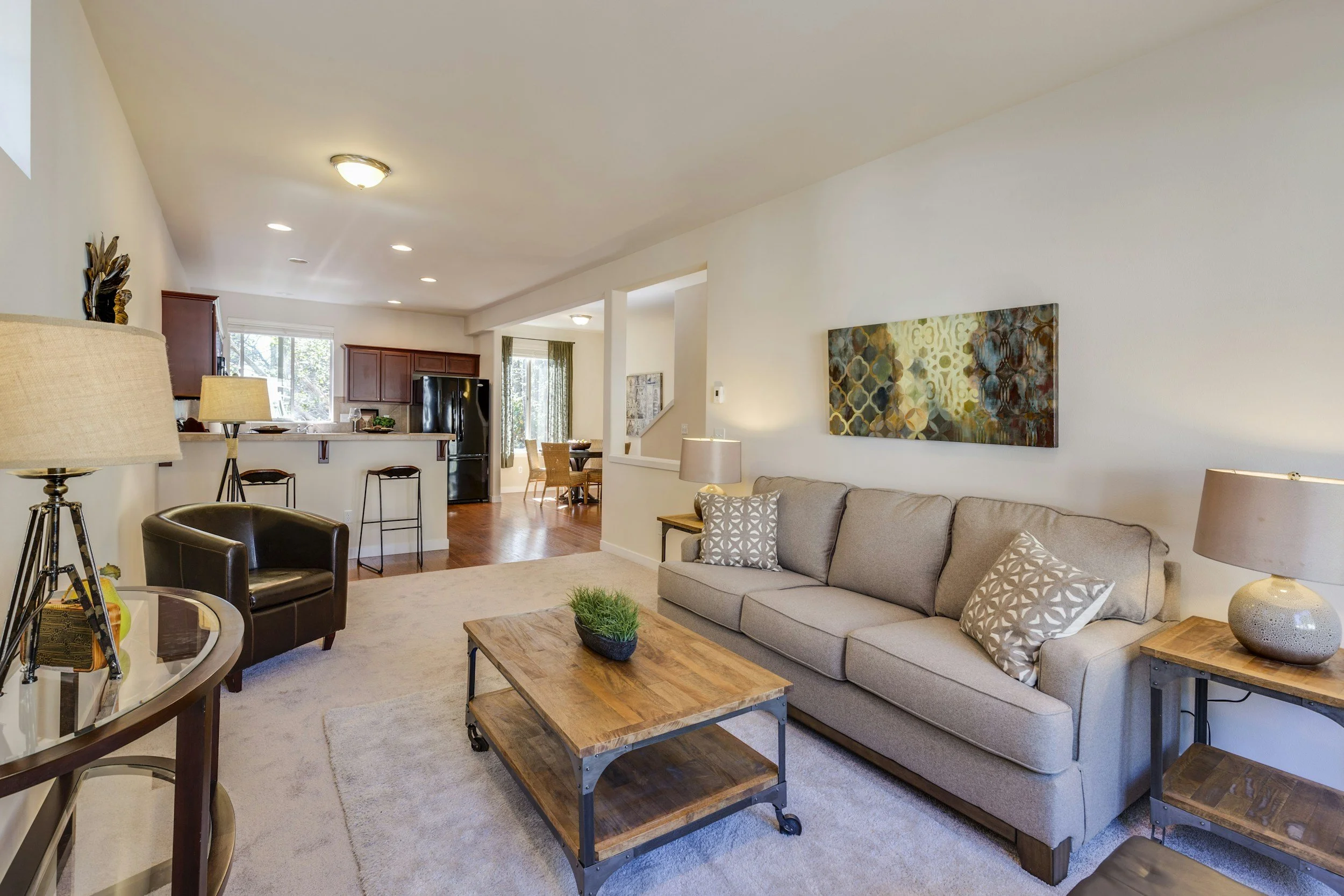
The house was modest by every measure the real estate market uses. Standard ceiling height. Original oak floors that had lived through decades of ordinary life. A kitchen that had not been updated since the nineties. No statement chandelier. No designer wallpaper. No curated gallery wall.
And yet, guests kept doing something unusual in Margaret's home. They would step across the threshold, pause, and say — quietly, almost to themselves, as though they were not quite sure they meant to say it out loud — "Something feels different in here."
A neighbor who stopped by for a five-minute drop-off stayed for two hours. A woman going through the most painful season of her life started coming over simply to sit — not to talk, not to be counseled, just to sit in a room that held something her own home could not offer her. A guest at a dinner party pulled Margaret aside at the end of the evening and said, with complete sincerity, that the living room was the most peaceful room she had ever been in.
Margaret was not a designer. She had no formal training, no extraordinary budget, no single spectacular piece that explained the effect. What Margaret had was something far more powerful than any of those things. She had prayed over every room. She had asked, before purchasing anything for her home, whether it would serve the peace of the people who gathered there. She had chosen colors not for how they photographed but for how they made her spirit feel at rest. She had removed things that created visual noise and kept only what held meaning. She had placed her home — its design, its purpose, its atmosphere — in God's hands and asked Him what it was meant to be.
Her home was not decorated. It was designed as an act of worship. And everyone who walked into it felt the difference.
That is the Sanctuary Effect in its purest form.
What the Sanctuary Effect Actually Is — and What Creates It
The Sanctuary Effect is not a design style. It is not limited to any aesthetic category — not farmhouse, not traditional, not European, not modern. It is a quality. It is the felt experience of peace, warmth, and spiritual presence that certain homes carry, and it is the direct result of specific, identifiable design decisions made with intentionality and purpose rather than trend and performance.
After more than thirty years of designing homes for women of faith, I have identified three primary elements that consistently produce the Sanctuary Effect in any home, at any budget level.
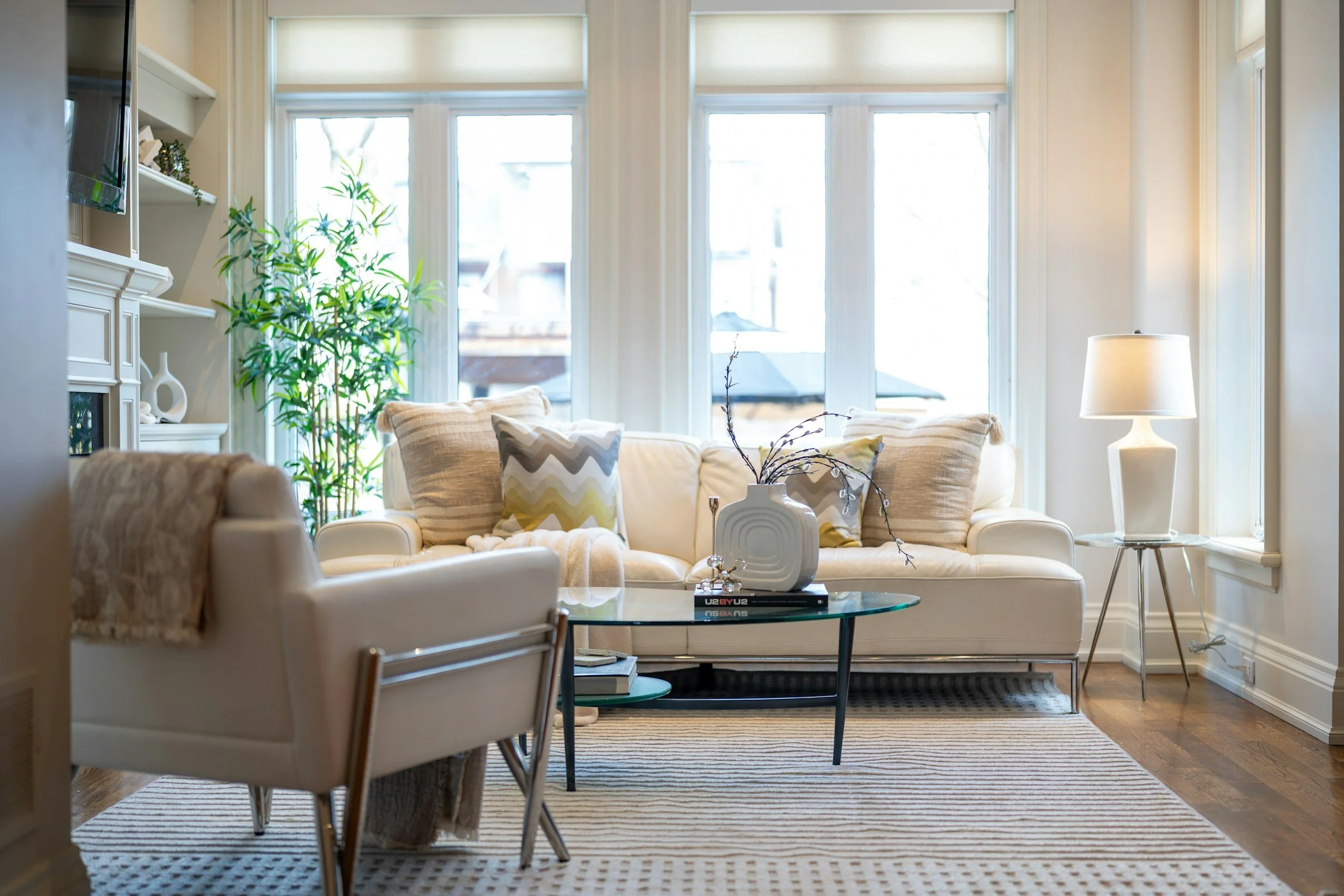
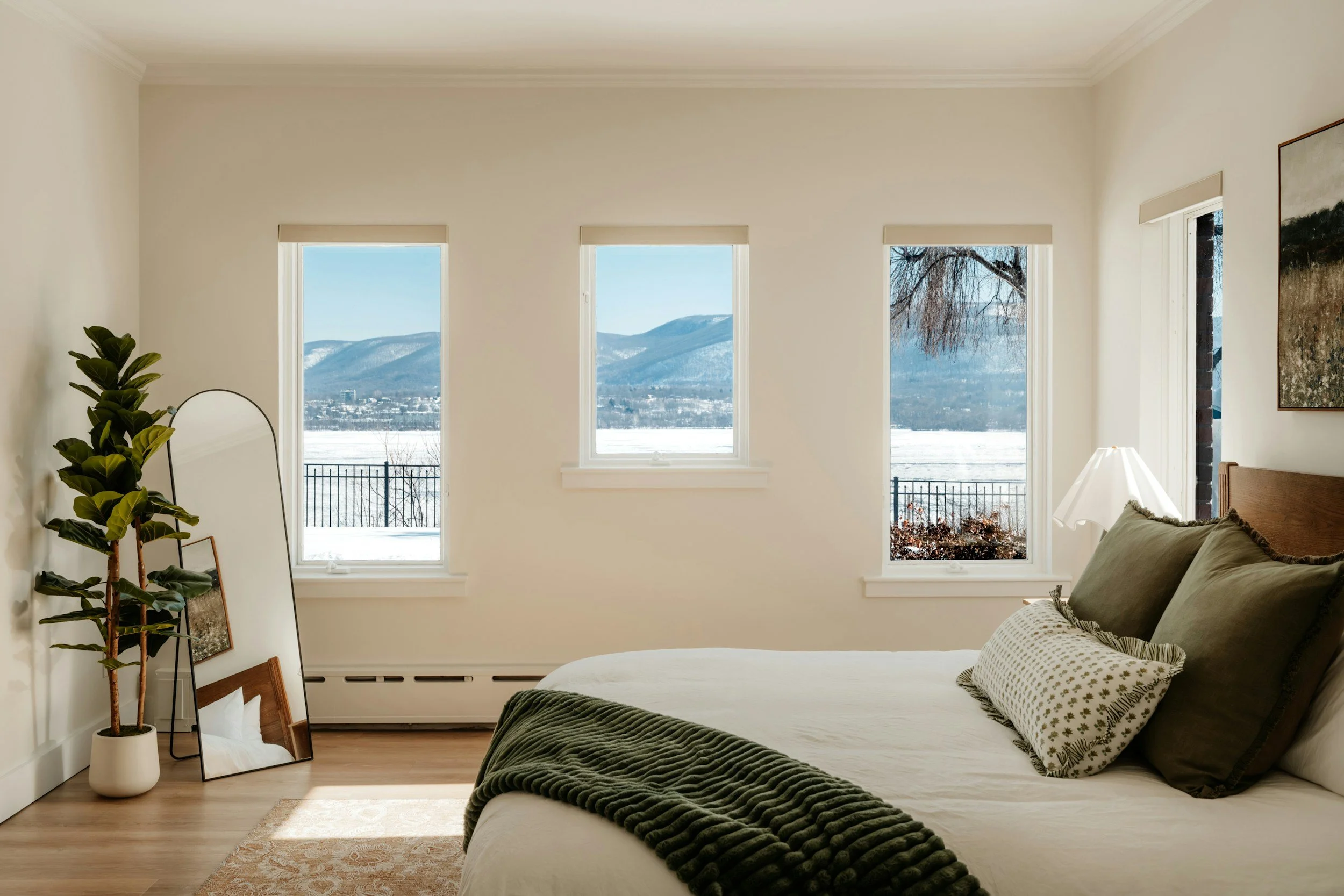
The first is light. Nothing in all of interior design communicates peace or its absence more immediately and viscerally than the quality of light in a room. Harsh overhead lighting — the flat, uniform brightness of a single ceiling fixture or unmodulated recessed lights — creates a visual environment that is exhausting to the nervous system. It leaves nowhere for the eye to rest and nowhere for the spirit to exhale. The homes that carry the Sanctuary Effect almost always have deeply layered, warm, intentional lighting — a thoughtful combination of ambient, task, and accent sources that creates dimension, warmth, and the kind of enveloping quality that makes a room feel like a refuge rather than a workspace. Natural light is treated as one of the primary design elements in these homes, honored and framed and invited in rather than blocked or ignored. When you walk into a room where the light is truly right, you feel it before you name it. That is not a coincidence. That is the design working exactly as it should.
The second element is visual rest. A visually busy room — full of competing patterns, too many objects, surfaces crowded with things that do not belong, colors that fight each other for attention — cannot offer peace, no matter how beautiful the individual elements may be in isolation. The Sanctuary Effect requires what designers call negative space: intentional, breathing room built into the composition of a room at every scale. Space on surfaces. Space on walls. Space in the overall arrangement of furniture and objects. This is not minimalism, and it is not emptiness — it is the design equivalent of a pause in a piece of music. It is the silence between notes that makes the music breathe. When the eye has somewhere to rest, the spirit follows. When Lauren walks into a room that carries visual rest, her nervous system relaxes before her mind has processed why. That is the design working at the level it was always meant to work at.
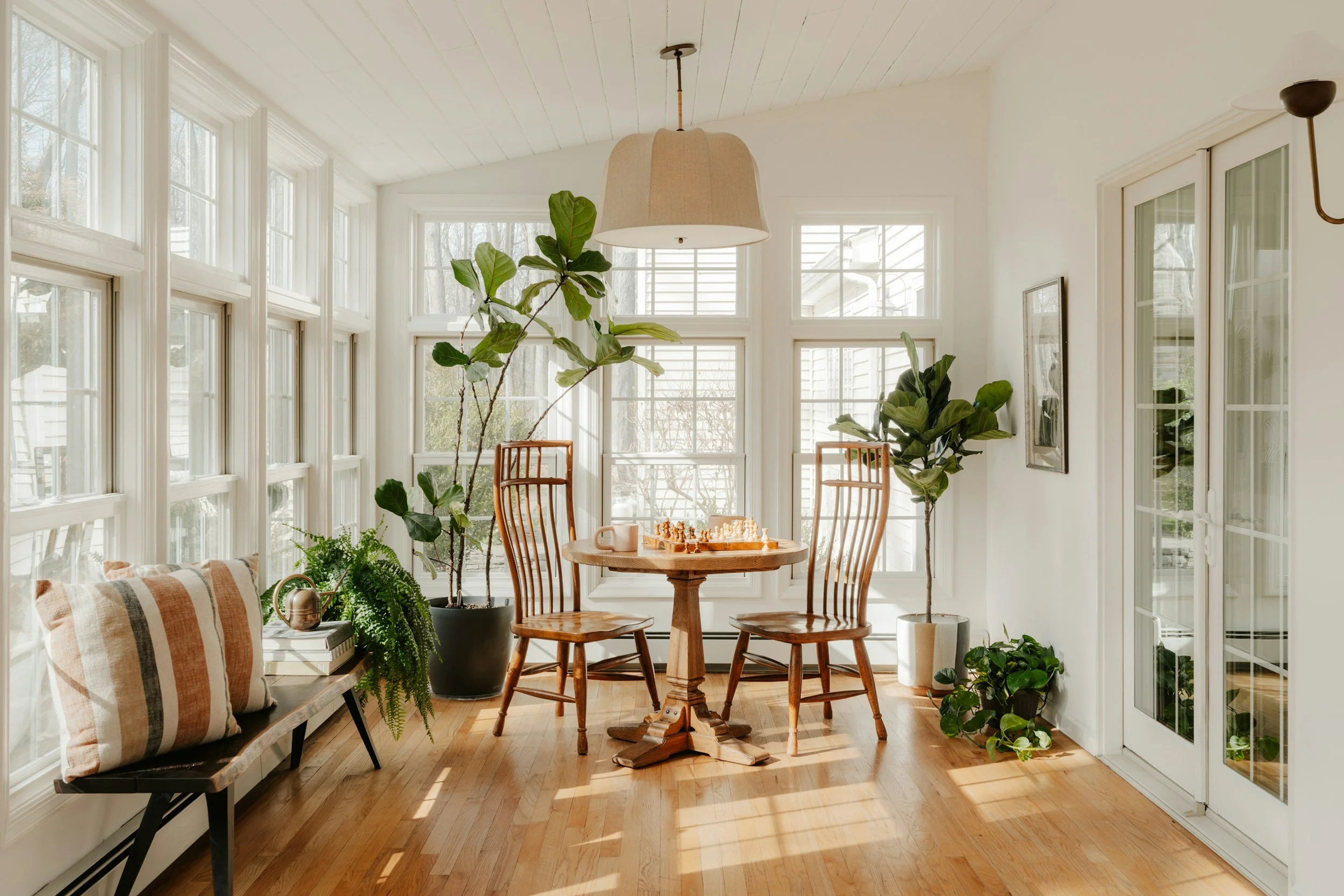
The third element is the presence of nature. Throughout Scripture, creation is one of God's most consistent and intimate languages — the way He communicates His character, His creativity, and His care to human hearts. In design, the deliberate presence of natural materials, organic textures, living plants, natural stone, wood grain, linen, and the palette of the earth communicates something that purely synthetic, manufactured, mass-produced environments simply cannot replicate. It connects the inhabitants of a home to something larger than themselves. It reminds the spirit — gently, without a single word — that there is a Creator behind the beauty, that design did not begin with human ingenuity but with the hand of God. The homes that carry the strongest Sanctuary Effect almost always have a meaningful presence of natural materials and textures woven throughout. Not necessarily expensive ones. Natural ones.
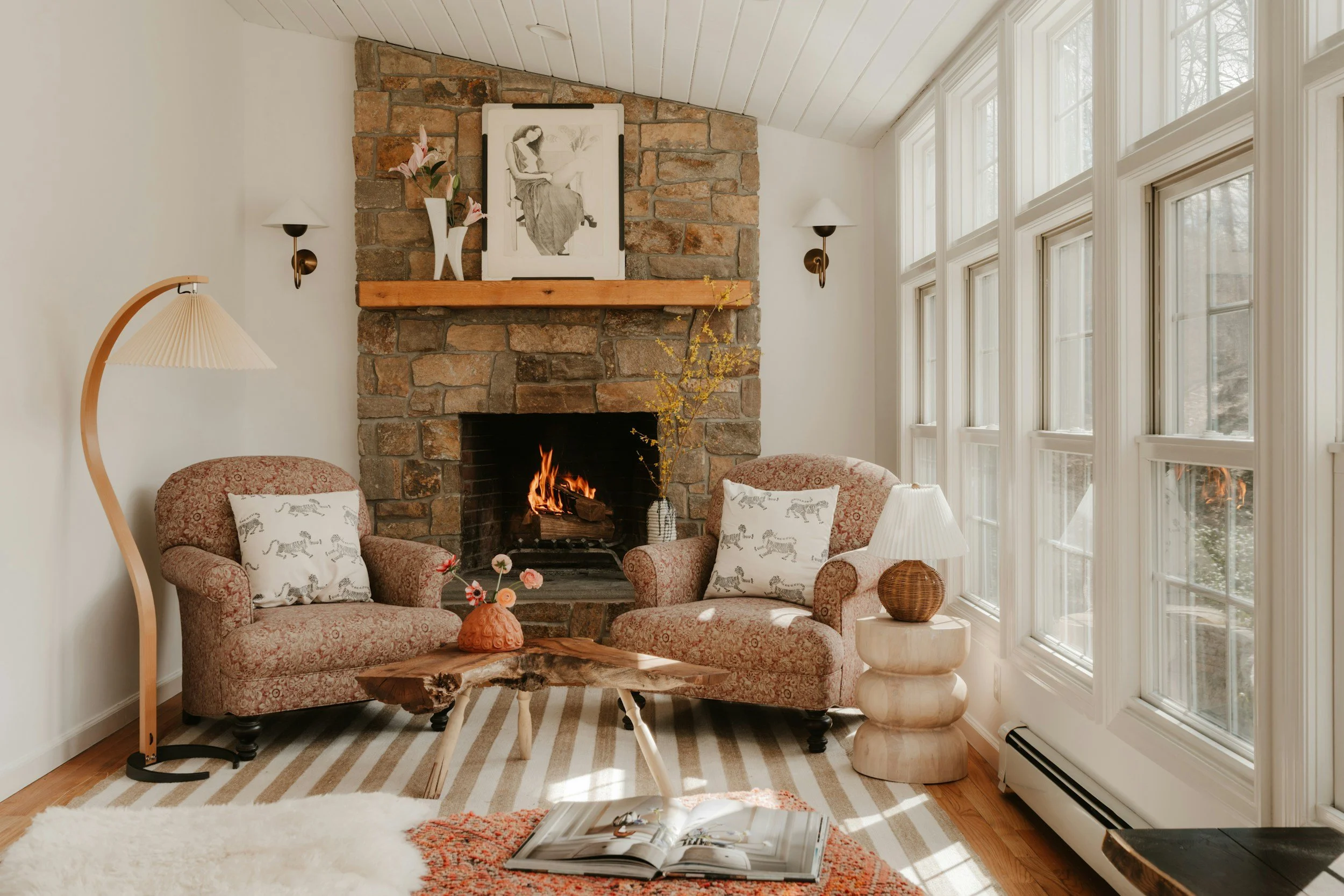
"The Lord bless you and keep you; the Lord make His face shine upon you and be gracious to you; the Lord turn His face toward you and give you peace." — Numbers 6:24–26, TPT
This blessing — one of the oldest recorded in all of Scripture — ends with peace. Not achievement, not wealth, not even safety alone. Peace. This is God's deepest desire for His people, and it is not limited to the interior life. It extends to the spaces in which that interior life is lived. The Tabernacle was designed by God with extraordinary specificity — colors, materials, proportions, the quality and direction of light. Solomon's Temple was not merely functional. It was magnificent, meticulously intentional, and designed with the conscious purpose of housing the presence of God among His people.
Your home is not the Temple. But your home is where your life with God is lived out in its most ordinary and most sacred forms — where you pray in the early morning quiet, where you raise your children, where you extend hospitality to people who need to feel welcomed and held, where you rest from the world and remember who you are. Designing that home with intentionality and beauty is not a luxury or a vanity. It is stewardship. It is an act of worship. It is a declaration, made in wood and stone and light and color, that the people who dwell here matter — that peace belongs here, that beauty belongs here, that the presence of God is welcome in the everyday.
When you design from this foundation — from faith, from purpose, from the question of what your home is truly meant to be — everything about the design process changes. The decisions become clearer. The choices become more confident. The result is a home that carries something the world cannot manufacture, because it was built from the inside out, with intention and prayer and a deep understanding of what a home is truly for.
CONCLUSION
The Sanctuary Effect begins with a question, not a purchase. Before you change a paint color, before you buy a new piece of furniture, before you call a designer or open a design app — sit with this question: what is this home meant to be for the people who live here and the people who come through this door?
Let that question guide you. Let it filter your decisions. Let it give you the confidence to remove what is creating visual noise and the permission to invest in what creates peace. Let it remind you that you are not decorating — you are building a sanctuary. And you are doing it in partnership with the God who designed beauty first, who blessed His people with peace as the ultimate inheritance, and who is more than capable of guiding your design decisions when you invite Him into them.
If you want a professional partner for this journey — someone who brings both design expertise and a shared faith foundation to the process — the Beautiful Room Makeover Experience™ is exactly where we begin. Book your Discovery Call at ShereeDouglasBrock.com/contact, and let's build something that goes far beyond beautiful.
FAQ
What is the Sanctuary Effect in home design?
The Sanctuary Effect is the quality of peace, warmth, and spiritual presence that certain homes carry — the felt experience of exhaling the moment you cross the threshold. It is not a design style but a result: the natural outcome of designing a home with intentionality, purpose, and the well-being of its inhabitants as the primary guiding principle. It is created through specific, identifiable design decisions around light, visual rest, and the presence of natural materials, and it is available in any home at any budget level.
Do I need a large budget to create a peaceful, sanctuary-like home?
The most powerfully peaceful homes are rarely the most expensive ones. The Sanctuary Effect is a product of intentionality, not investment. Removing visual clutter, layering lighting thoughtfully, introducing natural textures, and designing from a foundation of purpose and faith can transform the atmosphere of a home profoundly without requiring a significant financial investment. A professional designer can help you identify the highest-impact changes for your specific space and budget.
How does faith influence interior design?
Faith influences interior design most powerfully at the level of intention — the why behind the choices. When a homeowner designs from a foundation of faith, she is asking not just what looks beautiful but what serves the peace, the rest, and the flourishing of the people in her home. This produces spaces that carry a quality of warmth and welcome that guests consistently feel but cannot always name. It also produces a design process that is more confident, more grounded, and more deeply satisfying — because the decisions are rooted in values rather than trends.
Where do I start if I want my home to feel more like a sanctuary?
Begin with light and simplicity. Evaluate the lighting in your most-used rooms and look for opportunities to layer warmth and dimension. Then look with fresh eyes at the visual complexity of each space — what could be removed to give the room more room to breathe? Finally, look for places to introduce natural materials: a linen throw, a wooden tray, a living plant, and a natural stone candle holder. These three changes, made thoughtfully and intentionally, can shift the atmosphere of a home significantly. And if you want expert guidance for your specific home, a Discovery Call with me is the perfect starting point.
Resource
Take the Interior Design Personality Quiz to discover your unique design personality and begin designing from a place of genuine self-knowledge at shereedouglasbrock.com (scroll down to take the quiz)
Book a Beautiful Home Makeover Experience and transform your space in just a few hours—often using what you already own.