

How Designing for All Five Senses Transforms the Way Your Home Feels

Here's a question most homeowners never think to ask: does your home actually feel as good as it looks?
So many women invest in a gorgeous renovation, only to discover the finished room photographs beautifully but never becomes the place they naturally unwind.
If you've felt that quiet disconnect between how your home looks and how it lives, you are not alone, and there is a clear reason behind it.
“The Lord is my shepherd; I shall not want. He makes me to lie down in green pastures; He restores my soul.”
David describes being led to green pastures and quiet waters, with his soul restored. It's rich with sensory, embodied rest — the kind of full-body peace this article is really about — and ties naturally to the idea that a well-designed home should physically restore you, not just look good.
This verse invites us to experience God's goodness with our whole being — to taste, to see, to feel. That's the heart of sensory design. We're not called to build homes that just look nice from the doorway. We're invited to create spaces that invite our whole body and soul to rest, because that's how God designed us to experience goodness — fully, not just visually.
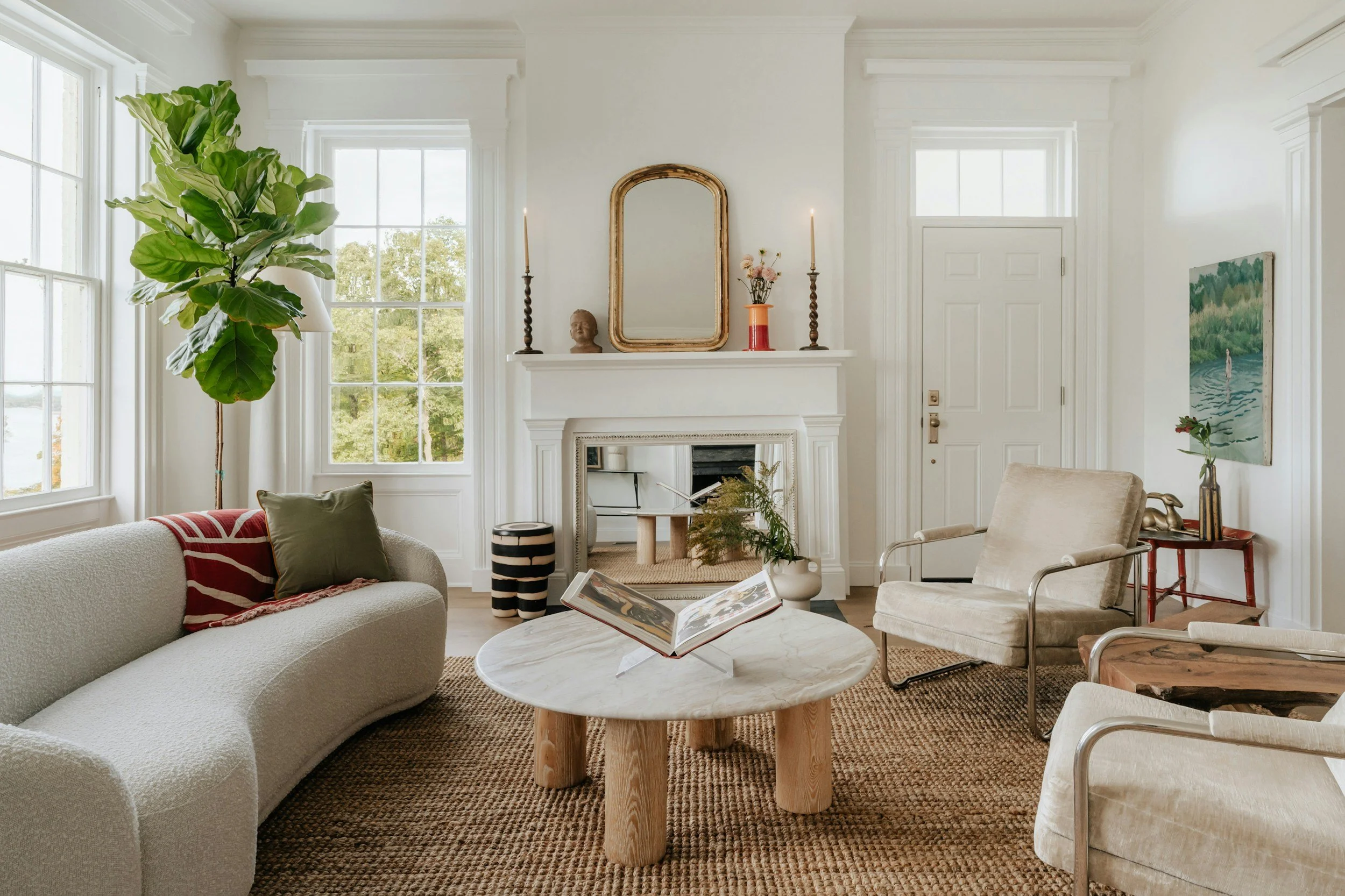
Most interior design conversations begin and end with sight. We talk about color palettes, furniture silhouettes, and the perfect piece of art above the sofa. And while those visual choices absolutely matter, they only account for one of the five ways your body actually experiences a room. Your nervous system is constantly gathering information beyond what your eyes report back. It's noticing whether the lighting feels warm or clinical, whether the fabric beneath you invites your body to soften or stay guarded, whether the air carries a scent that feels like comfort or nothing at all, and whether the silence in the room feels peaceful or simply empty.
When a space is designed for the eye alone, it can look flawless and still leave you restless, unable to name exactly why you keep retreating to a different room to actually relax. Left unaddressed, this gap quietly erodes the sense of peace your home is meant to provide. You begin to feel like a visitor in your own beautifully decorated space rather than someone fully at rest in it, and over time that disconnect can chip away at the confidence and joy you hoped your design investment would bring.
I worked with a client I'll call Claire, who had just completed a full living room renovation. A new sofa, a designer paint color, a gorgeous area rug — every visual element was in place, and the photos she sent me looked like something out of a magazine.
But when I asked her how it felt to sit in that room in the evenings, she grew quiet. She admitted that despite how lovely it looked, she still found herself retreating to her bedroom to actually unwind. She couldn't quite explain why a room she'd spent months perfecting still felt more like a showroom than a sanctuary.
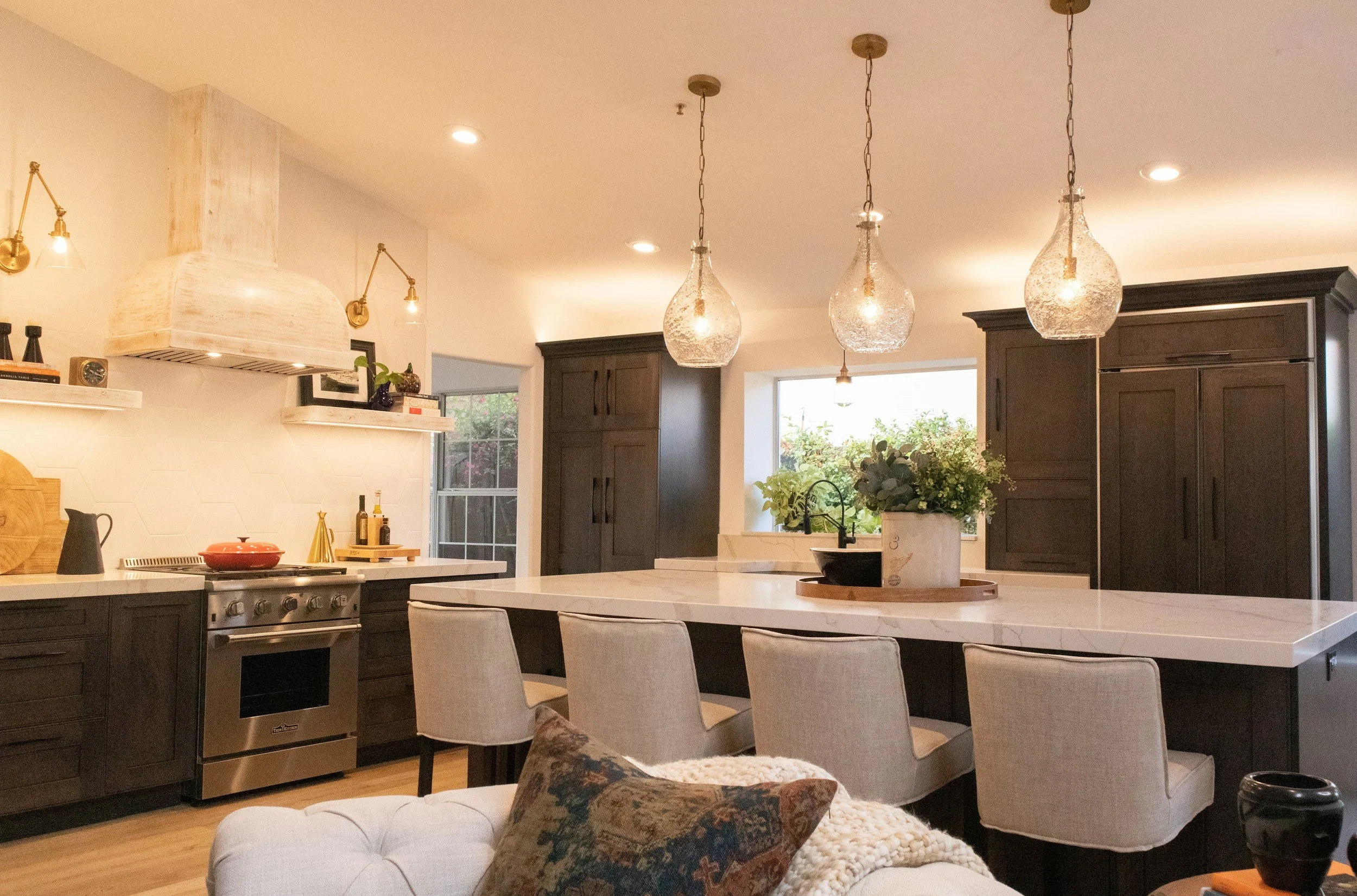
When we walked through the space together, the answer became clear almost immediately. The entire room had been designed for a single sense — sight. A harsh overhead light was the only source of illumination in the evenings. The sofa fabric, while elegant in photos, was cool and stiff to the touch. There was no scent in the room, no gentle layer of sound, nothing inviting her body to settle in and stay. We didn't replace a single piece of furniture. Instead, we layered in warm lamp lighting at different heights, added a soft chenille throw and down-filled pillows, introduced a quiet diffuser with notes of cedar and vanilla, and placed a small speaker for gentle evening music.
Two weeks later, Claire told me it was the first time in over a year she'd fallen asleep on that sofa without meaning to. The room hadn't changed much visually — but it had finally become a space her whole body wanted to be in.
Designing Your Home Using All Five Senses
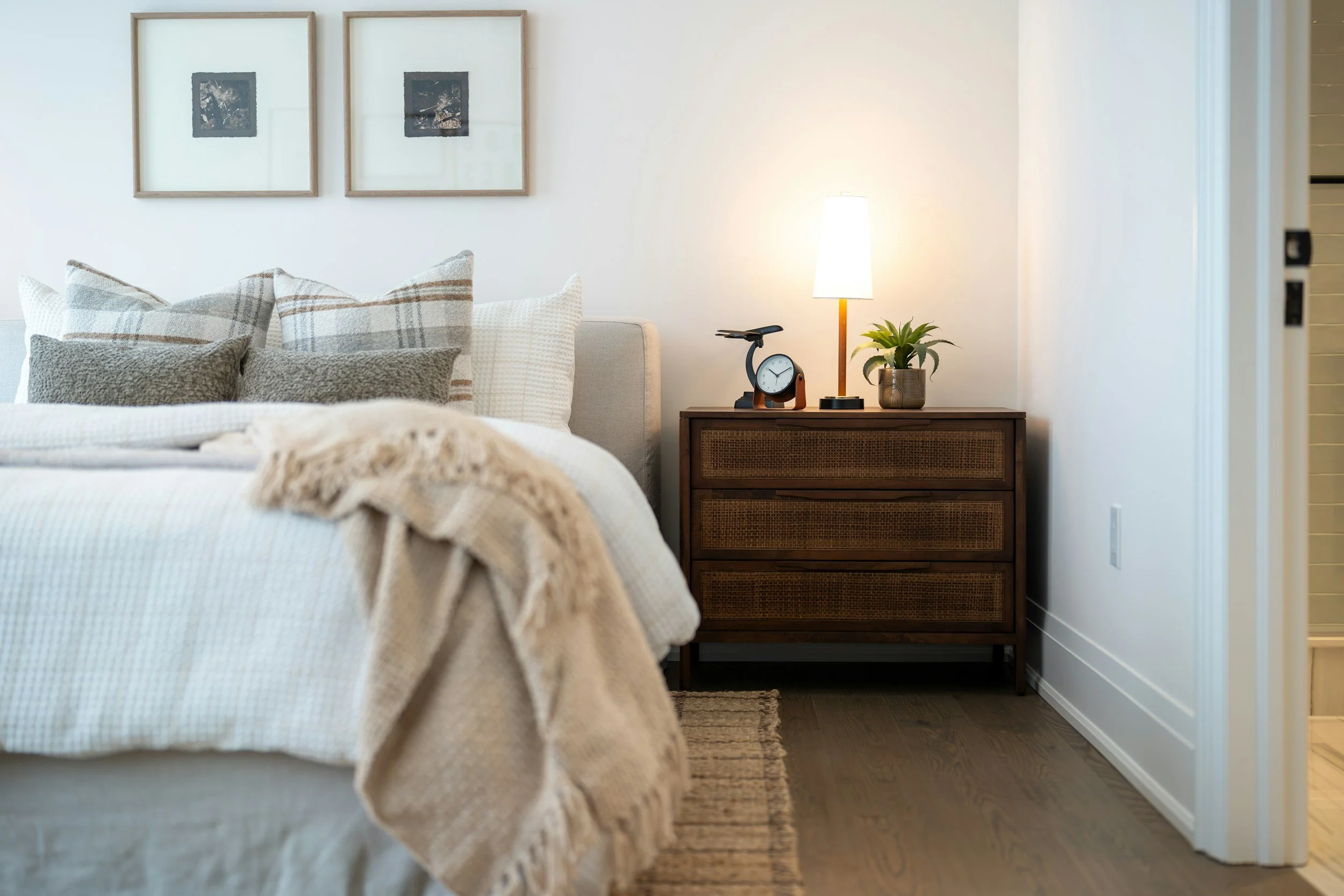
Designing for touch begins with the fabrics your body actually comes into contact with, since a chair or sofa can look elegant in a photograph and still feel stiff or cold in person, so choosing an upholstery your hand wants to linger on matters as much as its appearance. From there, layering in texture through throws, pillows, and rugs gives your body an immediate physical signal that a room was built for rest, and finally, attending to temperature through a heated throw, a plush rug, or better window treatments can make a space feel emotionally warmer, not just physically warmer.
Designing for sight starts with moving beyond a single harsh overhead light toward layered lighting, since lamps at varying heights and a dimmer switch allow your eyes to read a room as calm rather than exposed. From there, being intentional about what your eye lands on first when you enter a room reduces low-level visual clutter and stress, and choosing warm color temperatures over cool, stark tones supports a nervous system that wants to settle rather than stay alert.
Designing for smell begins with choosing one signature scent for your home, whether through a candle, a diffuser, or fresh flowers, and using it consistently so your body begins to associate that fragrance with rest. From there, addressing what competes with that scent, like stale air or lingering cooking odors, matters just as much as the fragrance itself, and allowing scent to shift intentionally from room to room, brighter in gathering spaces and warmer in restful ones, adds a layer of thoughtfulness most homes never consider.
Designing for sound starts with simply noticing what's currently filling the silence, since a humming appliance or echoing hardwood floor can keep your nervous system quietly on alert even in a visually peaceful room. From there, softening hard surfaces acoustically with rugs, drapery, and upholstered furniture reduces echo, and introducing a gentle, intentional layer of sound, whether soft music, a tabletop fountain, or an open window, gives your ears something soothing to settle into.
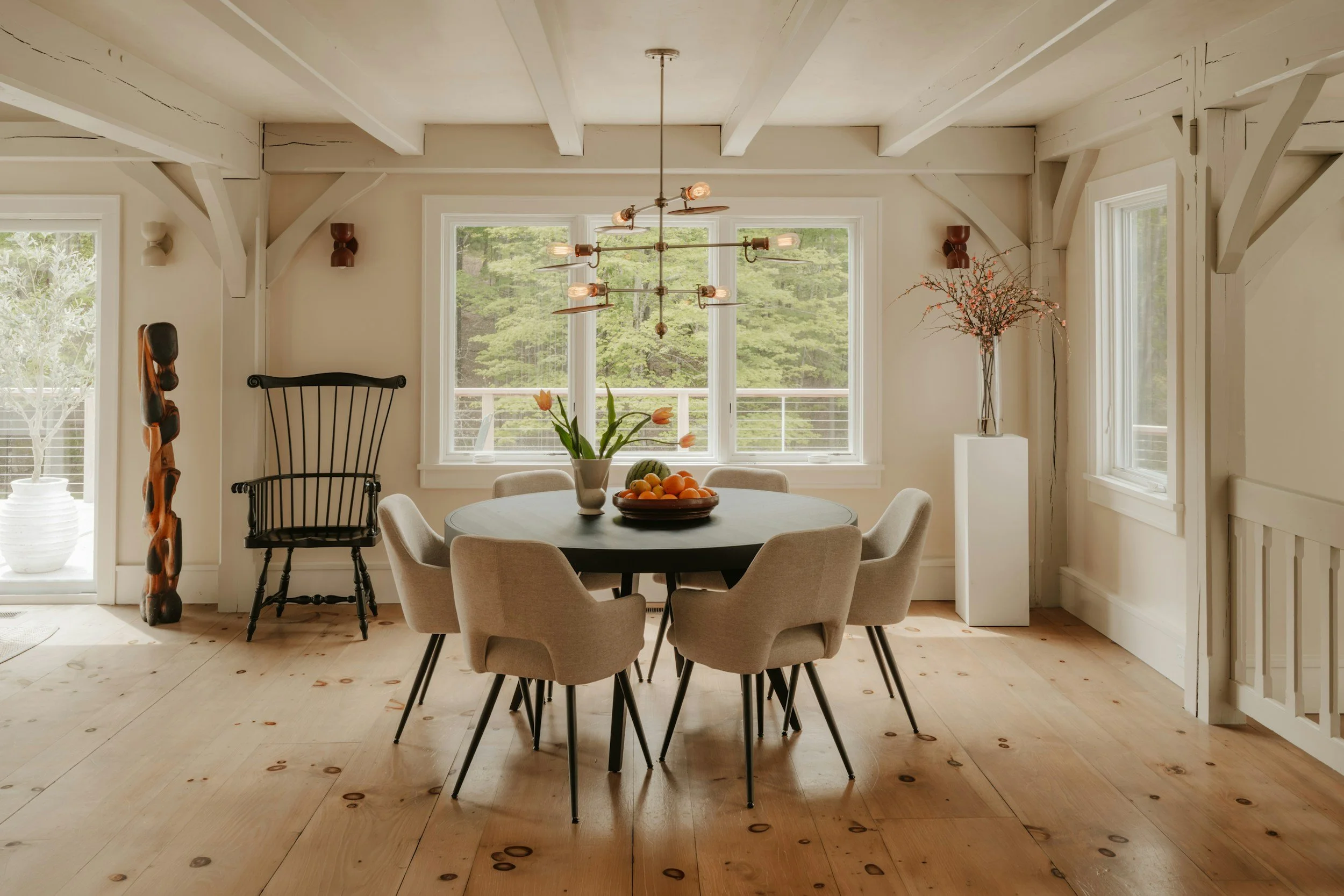
Designing for taste begins with thinking of it as an extension of hospitality rather than the room itself, since a beautifully set coffee tray or a welcoming bowl set out for a guest brings warmth a purely visual choice cannot. From there, designing kitchens and gathering spaces to genuinely invite nourishment, and layering in seasonal touches like a bowl of citrus or fresh herbs on a windowsill, completes the picture of a home that cares for the whole person, not just the eye.
Conclusion
You don't need to overhaul your entire home to begin feeling more at rest within it. You simply need to notice which senses have been left out of the conversation and begin, one intentional layer at a time, to invite them back in.
A softer fabric. Warmer light. A signature scent. A little quiet music. A tray set with care. These small, sensory choices add up to something far greater than a beautiful room — they create a true sanctuary, one your whole body recognizes as home the moment you walk through the door.
You have everything you need to begin this week, and the peace you're looking for is closer than you think.
FAQ
Do I need to hire a professional to design for all five senses?
Not necessarily. Many sensory improvements, like layered lighting, a cozy textile, or a signature scent, can be added yourself. A professional simply helps you identify which senses are missing and how to layer them cohesively.
Which sense should I start with if I don't know where to begin?
Touch and sight are often the easiest starting points because they require the least investment — a soft throw, a warm lamp, or a dimmer switch can shift how a room feels almost immediately.
Can sensory design work in a small budget?
Yes. Sensory design is about intentional layering, not expensive purchases. A candle, a throw pillow, or rearranging your existing lighting can make a noticeable difference without a large investment.
How long does it take to feel a difference in a room?
Many clients notice a shift the same day they introduce even one new sensory layer, such as warmer lighting or a signature scent, because the nervous system responds quickly to these cues.
Resource
Take the Interior Design Personality Quiz, and it will tell you clearly whether Classic Romantic truly is your style, at shereedouglasbrock.com (scroll down to take the quiz)
Book a Beautiful Home Makeover Experience and transform your space in just a few hours—often using what you already own.