

5 Design Choices That Make a Room Look $10K More Expensive (On Your Budget)

There's a particular kind of room that makes you pause the moment you walk into it—not because of how much it obviously cost, but because everything about it feels intentional.
You've probably stood in a space like that and thought, This feels expensive, without quite being able to explain why.
The good news is that feeling has very little to do with your budget.
It comes down to a small handful of design choices that, when made well, can completely change the tone of a room.
“She selects wool and flax and works with eager hands.”
That verse isn't about extravagance. It's about intention. And intention is exactly what these five design choices are built on.
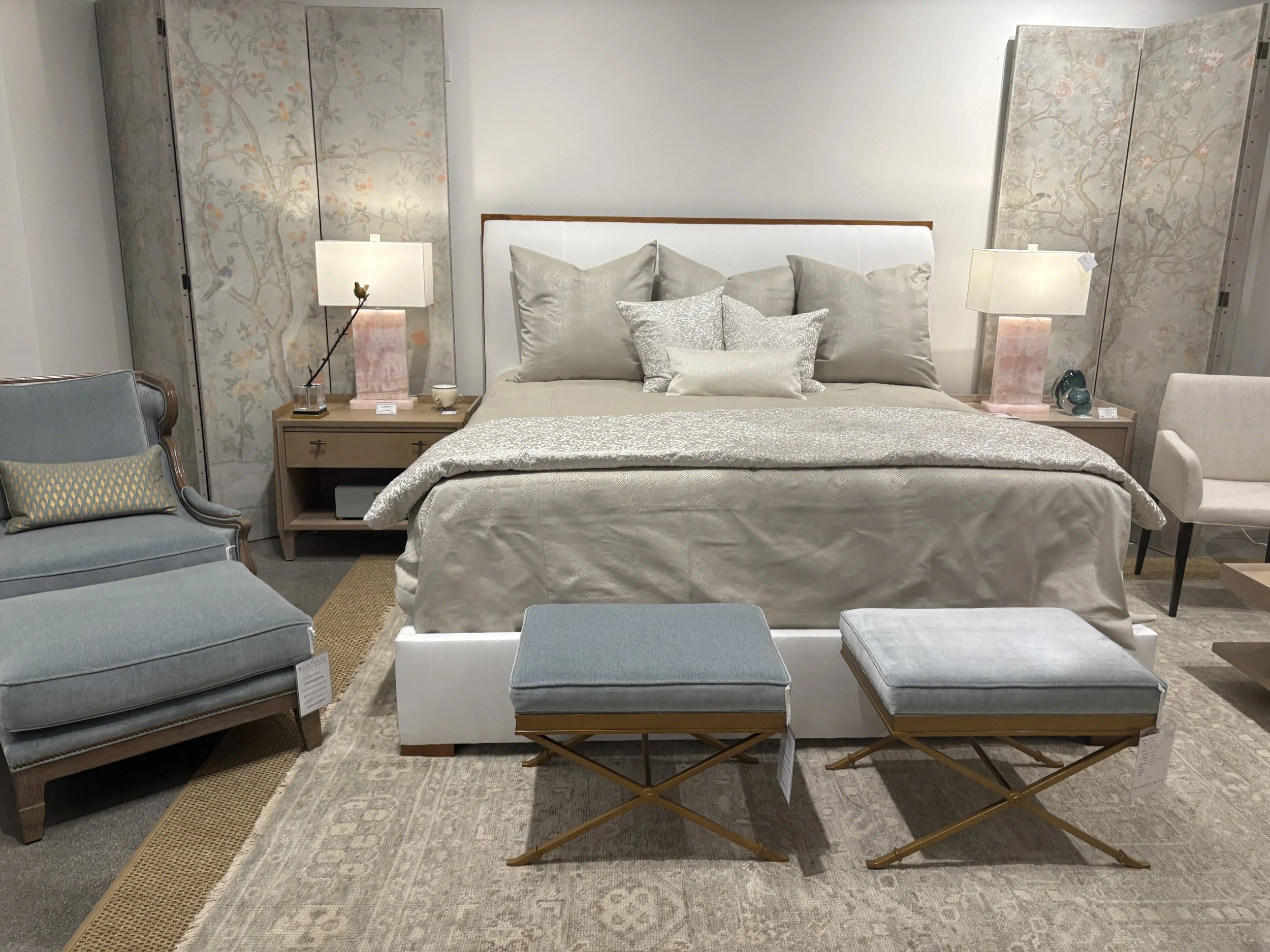
Why Spending More Doesn't Always Make a Room Feel More Expensive
So many women pour money into a room and still walk away feeling like something isn't quite right.
A new sofa goes in. Fresh paint goes on the walls. Maybe there's even a new rug—and the room still doesn't feel finished.
It doesn't feel like the elevated, put-together space you were picturing.
This is one of the most common frustrations in interior design, and it almost never comes down to a lack of budget.
It comes down to spending on the wrong things first.
Big-ticket furniture gets all the attention because it's exciting to shop for, while the details that actually create that expensive, cohesive feeling often get skipped. They seem too small to matter, or no one has ever pointed out just how much impact they can make.
Comparison can make this even harder.
It's easy to scroll through a beautifully styled room online, assume it came from an unlimited budget, and feel discouraged about your own space.
But the rooms that look the most expensive are not always the rooms where the most money was spent.
They're often the rooms where a few specific choices were made with real intention.
Once you know what those choices are, you can stop second-guessing your space and start making decisions with genuine confidence.
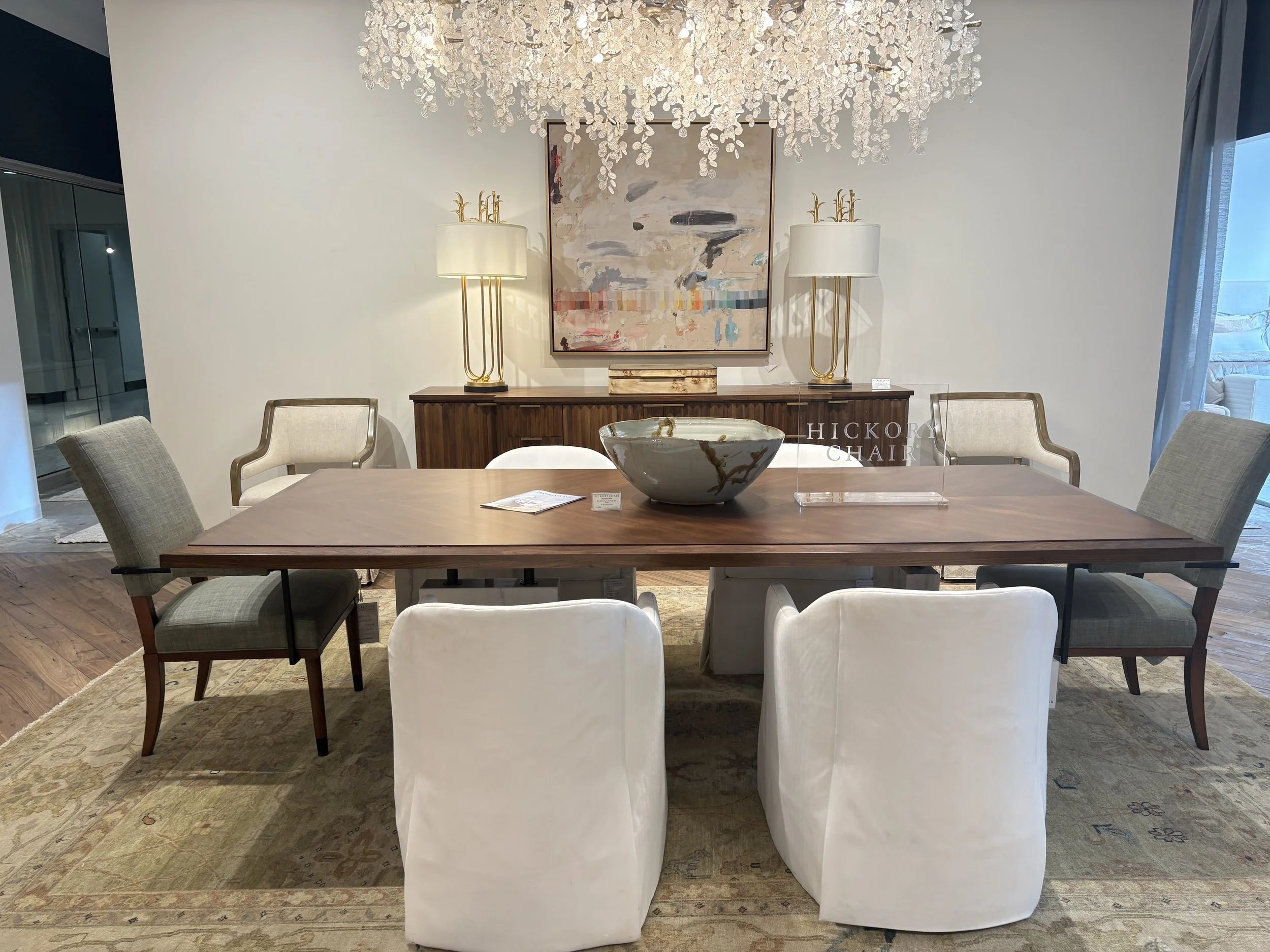
The Five Design Choices That Change Everything
1. Layer Your Lighting for Depth and Warmth
Most rooms rely on a single overhead fixture. And that one decision may be a major reason a space feels flat, cold, or unfinished—even when the furniture itself is beautiful.
A room that feels expensive is usually a room with layered light.
Think of a combination of overhead, task, and ambient light sources working together at different heights throughout the space.
A lamp on a side table. A wall sconce. An overhead fixture.
Each source has a different job, rather than one bright light being expected to do everything.
This layering creates depth and dimension. It softens shadows, adds warmth, and makes the other design choices in the room feel more intentional.
And here's the best part:
It's one of the most affordable ways to elevate a room.
You don't necessarily have to replace your entire lighting system. Sometimes simply adding a lamp, changing the placement of a light source, or introducing another layer can completely change the way a room feels.
It's often one of the first things a trained designer notices when walking into a space.
2. Choose Art With Real Scale
Small art scattered across an oversized wall is one of the fastest ways to make a room feel unfinished.
When artwork is too small for the wall or disconnected from the furniture beneath it, the room can feel accidental rather than intentional.
Instead, consider choosing fewer, larger pieces.
One substantial piece on a key wall can create a strong focal point and immediately give the room a sense of confidence.
Scale communicates intention.
A well-scaled piece of art tells the eye where to rest. That visual calm is a major part of what makes a room feel expensive—even when the artwork itself was purchased on a modest budget.
You don't need more art.
You may simply need the right size of art.
As a general guide, the artwork above a sofa or console should occupy a meaningful portion of the visual space rather than appearing small and lonely on the wall.
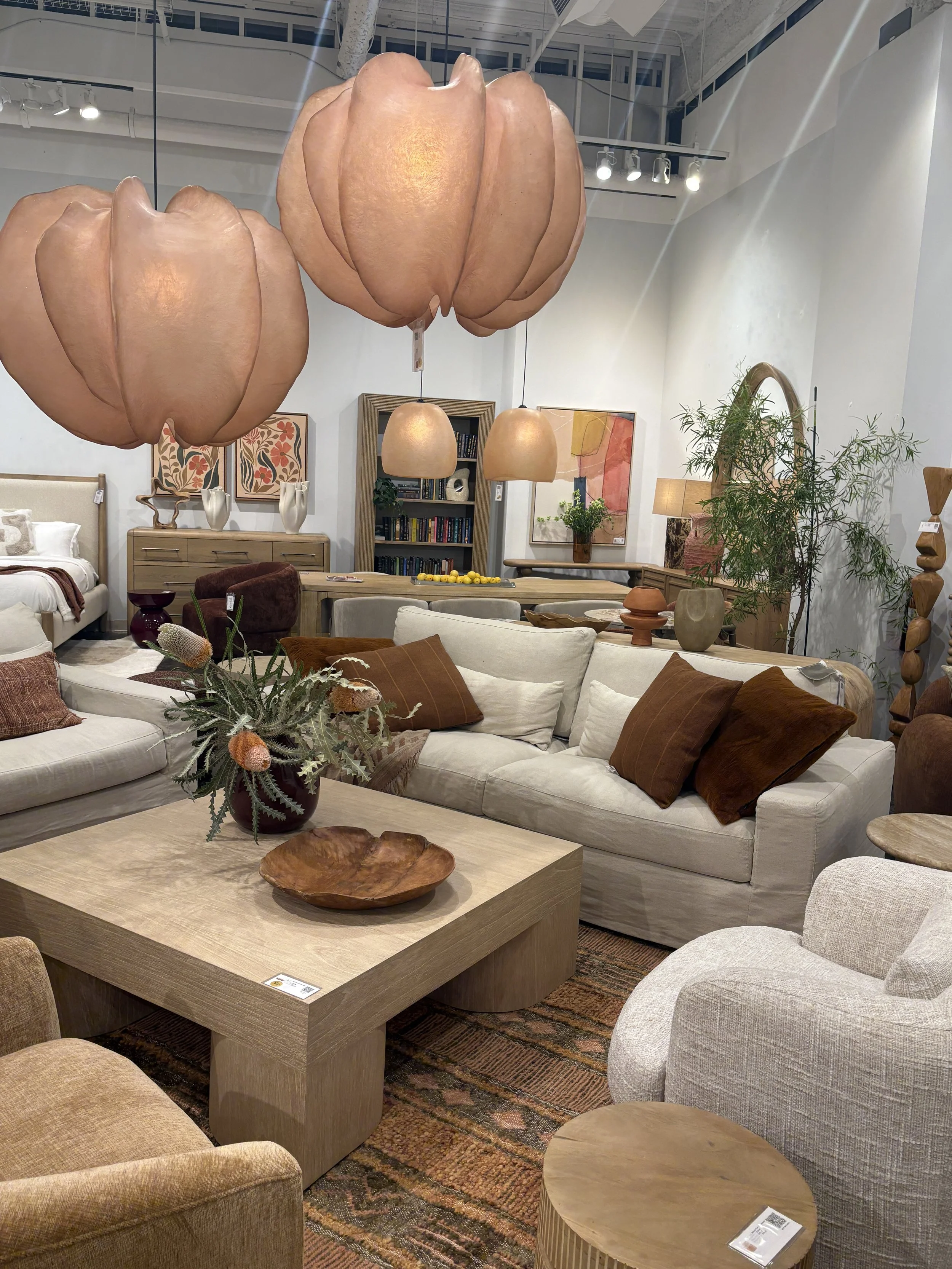
3. Upgrade the Details You Touch Every Day
Cabinet pulls. Faucets. Switch plates. Light fixtures.
These are some of the most frequently touched details in your home, and they're also some of the most overlooked.
Builder-grade hardware can quietly undercut an otherwise beautiful room because your hand and your eye interact with these details constantly.
Replacing them with higher-quality finishes can create an outsized visual return for a relatively small investment.
This isn't about spending more on everything.
It's about spending intentionally on the touchpoints that get noticed most.
You don't have to tackle your whole house at once.
Start with one room.
A kitchen. A primary bathroom. Another space where the existing hardware feels dated or disconnected.
Even a focused upgrade can create a noticeably different impression the moment someone walks into the room.
Sometimes luxury is hiding in the smallest details.
4. Hang Your Drapery All the Way to the Ceiling
There is a dramatic difference between a window dressed with a short curtain or blinds alone and a window framed by drapery that runs from ceiling to floor.
Hanging drapery high and wide elongates the wall, adds height and softness, and creates a sense of drama without requiring expensive architecture.
It also introduces something hard surfaces simply can't provide on their own: softness.
And this is one of the most affordable choices on the list relative to its impact.
The transformation comes largely from placement and proportion, not necessarily from choosing an expensive fabric.
Properly placed drapery can make a room feel taller, more finished, more considered—and yes, more expensive.
For many rooms, especially living rooms and primary bedrooms, this single adjustment can dramatically change the entire feeling of the space.
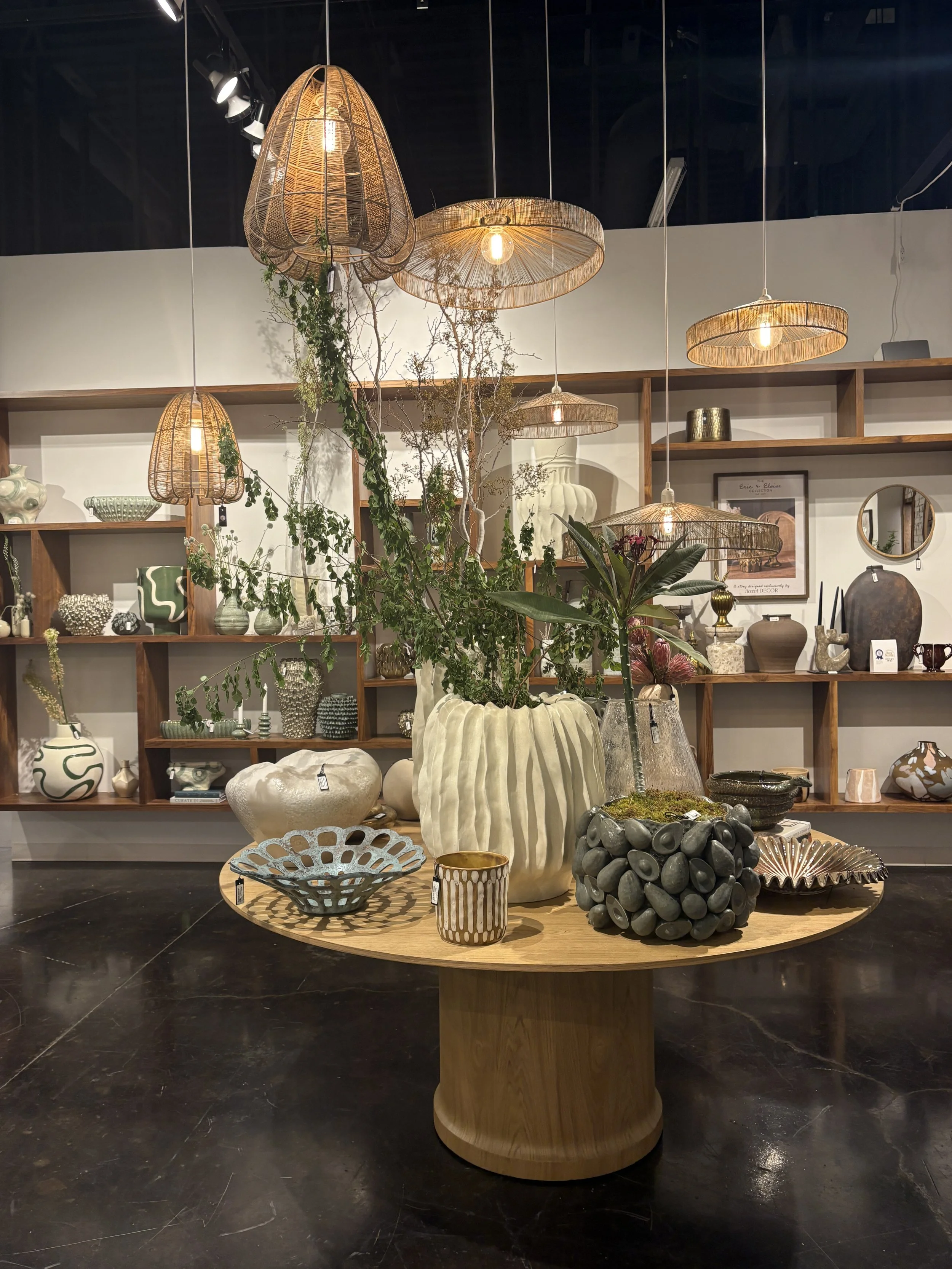
5. Edit Down to Fewer, Better Pieces
More is rarely the answer.
A room filled with too many decorative objects, competing patterns, or too much furniture can feel busy and unfinished, regardless of what any individual piece cost.
This is where editing becomes a powerful design tool.
Take something away. Create some breathing room. Let the pieces you truly love have space around them.
Editing creates negative space, and negative space is one of the strongest visual markers of a high-end room.
It gives the eye somewhere to rest.
It allows your best pieces to actually be seen instead of competing for attention.
And editing isn't about owning less simply for the sake of owning less. It's about being selective enough that everything remaining in the room is there on purpose.
That intentionality is exactly what makes a space feel expensive.
And unlike many upgrades on this list, this one costs absolutely nothing.
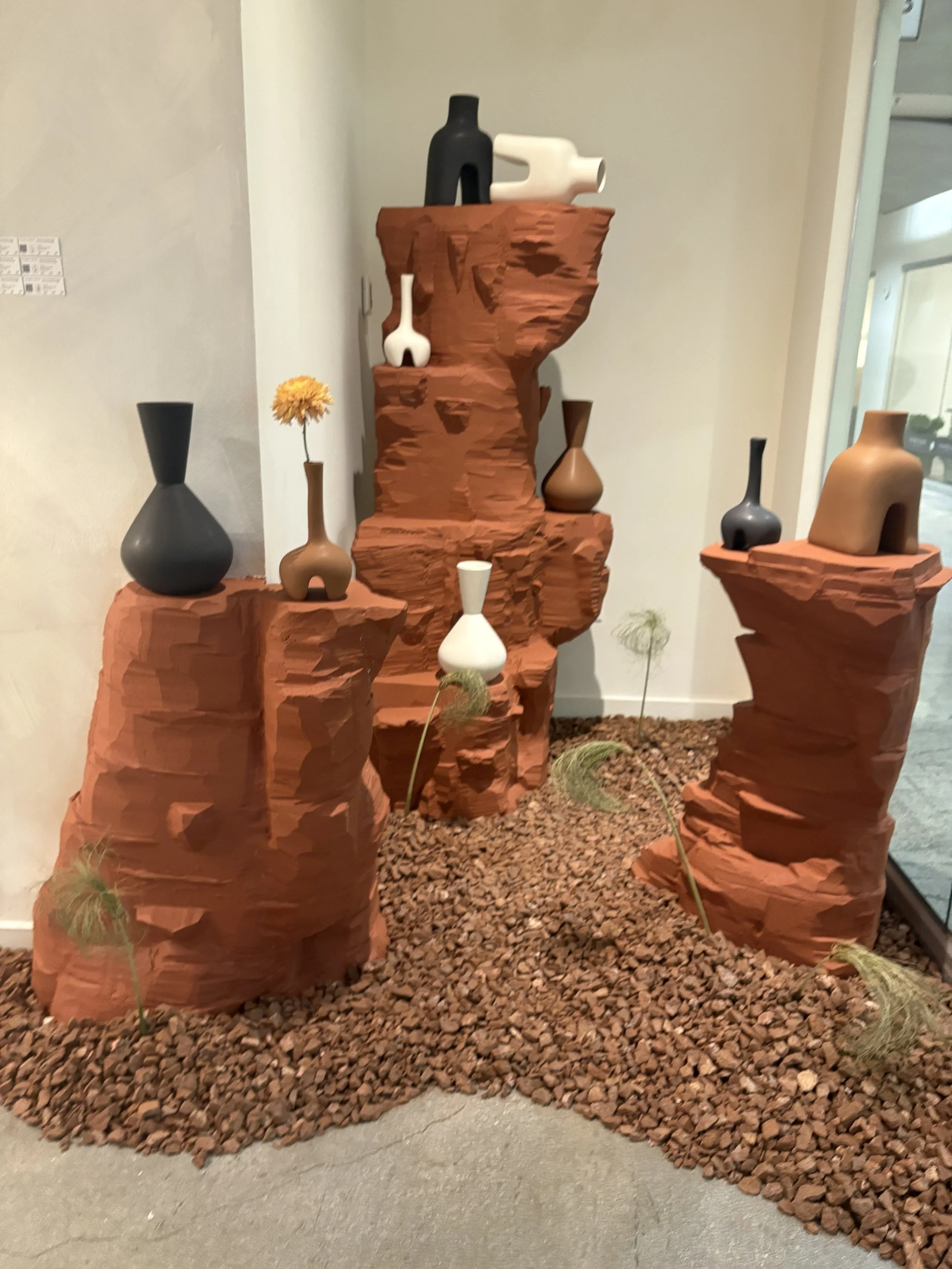
Bonus: Find Unique Pieces That No One Else Has
One of the things that can make a home feel especially elevated is having pieces that aren't everywhere.
High-end homes often include beautiful, distinctive furnishings that feel collected rather than mass-produced. A one-of-a-kind chair, an unusual piece of art, a vintage find, or a distinctive accessory can give a room a sense of individuality that you simply can't get when every piece comes from the same showroom.
This is one of the advantages of shopping thoughtfully and taking the time to find furnishings with character. You don't necessarily need to spend a fortune. Sometimes the most special piece in a room is the one you discovered unexpectedly—a vintage treasure, an artisan-made piece, or something with a story behind it.
Unique pieces create a sense of exclusivity.
When someone walks into your home and sees something they haven't seen in every other beautifully decorated room, it immediately gives the space personality and distinction.
And that's something you'll often find in truly high-end homes: beautiful, unique pieces that make the space feel collected, personal, and unlike anyone else's.
So don't be afraid to look beyond the obvious places.
Take your time.
Shop for pieces that speak to you.
And when you find something truly special, let it become part of the story of your home.
That one-of-a-kind quality can make a room feel far more expensive than simply filling it with expensive things.
You Don't Need More. You Need the Right Choices.
None of these five choices require a full remodel.
And none of them require a $10,000 budget.
What they require is a shift in where your attention goes first.
Layered lighting.
Art with real scale.
Upgraded hardware and fixtures.
Ceiling-height drapery.
Thoughtful editing.
Unique pieces.
These are the details that can consistently separate a room that feels expensive from a room that simply contains expensive things.
You don't need more.
You need the right choices, made with intention.
Frequently Asked Questions
Do I really need to spend money to make my room look more expensive?
Not necessarily. Several of these choices, like editing down to fewer pieces or reconsidering how your lighting is layered, can be done with what you already own. The goal is intentional choices, not a bigger budget.
Which of these five choices should I start with if I can only do one?
Start with editing. Removing what doesn't need to be there costs nothing and often has the fastest, most noticeable impact on how a room feels.
Is drapery really worth the investment compared to blinds?
For most rooms, yes. The height and softness that floor-to-ceiling drapery adds is one of the most affordable ways to change the entire proportion and feel of a space, especially in a living room or primary bedroom.
How do I know if my art is the right scale for my wall?
A helpful general guide is that art should fill roughly two-thirds to three-quarters of the visual space above a piece of furniture, like a sofa or console. If it looks small and lonely on the wall, it's likely time to size up.
Can these five choices really work together on a small budget, or should I choose just one?
They absolutely work together, and you don't need to tackle all five at once. Most women find the best results by choosing one room, applying two or three of these choices there first, and letting the results guide what they invest in next.
Resource
Picturing a home that finally feels like you? The Beautiful Room Makeover Experience walks you through getting there, from start to finish. A short call is the easiest way to find out if it's right for you.
Find Out More about The Beautiful Room Makeover Experience.