
2026's Biggest Design Trends: What's Worth It vs. What to Skip
Every year brings a fresh wave of interior design trends, and every year I get the same question from women redoing a room:
Is this actually worth it, or will I be tired of it by spring?
It's a fair question, and it deserves a real answer instead of another scroll through someone else's feed.
Scripture actually gives us the exact posture to take toward anything new that wants a place in our lives, including our homes.
“Test all things; hold fast what is good.”
That's the approach we're taking here—testing what's trending in 2026 so you can know what deserves a place in your home and what can quietly pass you by.
The Problem With Chasing Trends
Most women I work with don't actually want to chase trends.
What they want is a home that feels current, put-together, and like it belongs to them—without spending money on something that looks dated eighteen months later.
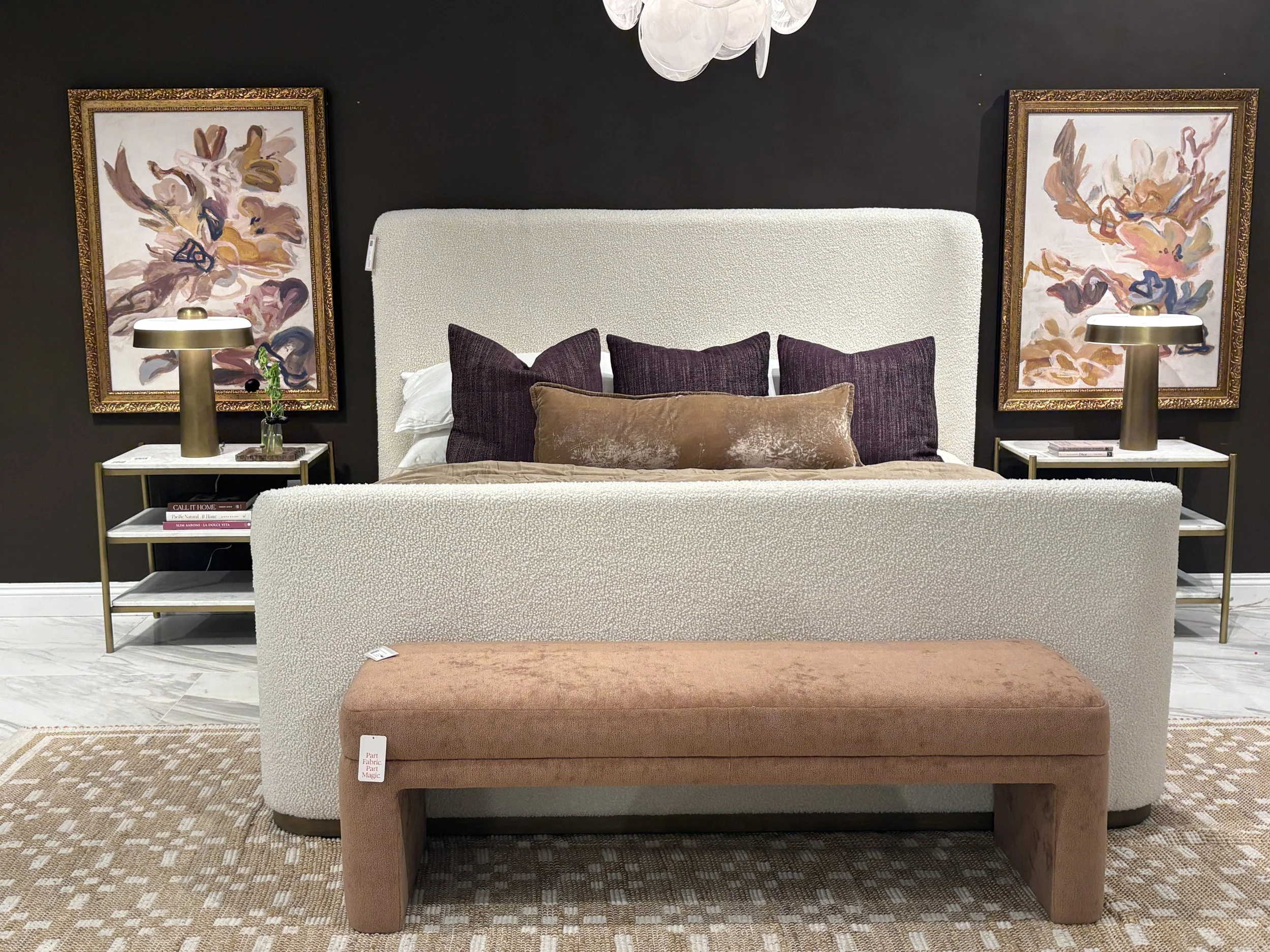
The trouble is that trend and timeless can look almost identical in a single photograph.
A curated feed doesn't tell you which pieces will still feel right in your home five years from now. It doesn't account for the finishes, furniture, and fixtures you've already invested in. And it certainly doesn't tell you whether something actually works for the way you live.
Without a way to sort those things apart, it's easy to go in one of two directions: chase everything and end up with a disjointed home, or avoid trends altogether and end up with a space that feels stuck.
Neither gets you the home you actually want to live in.
The good news is that most of what's trending in 2026 isn't really trendy at all.
It's good design finally catching back up to itself.
Trends Worth the Investment
Some of the strongest design directions we're seeing right now are worth embracing because they aren't dependent on novelty. They're rooted in principles that have staying power.
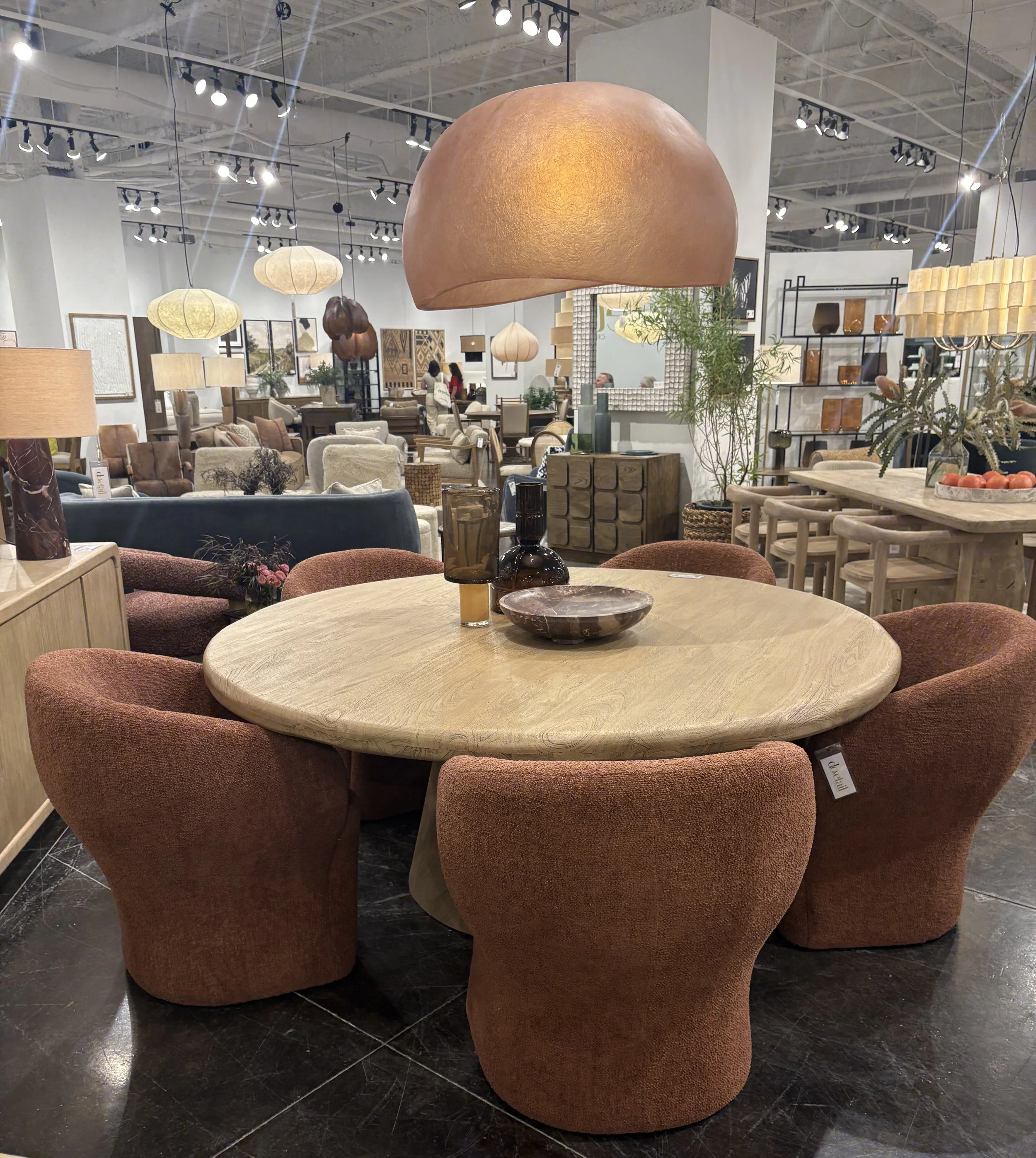
Warm, Earthy Color Palettes
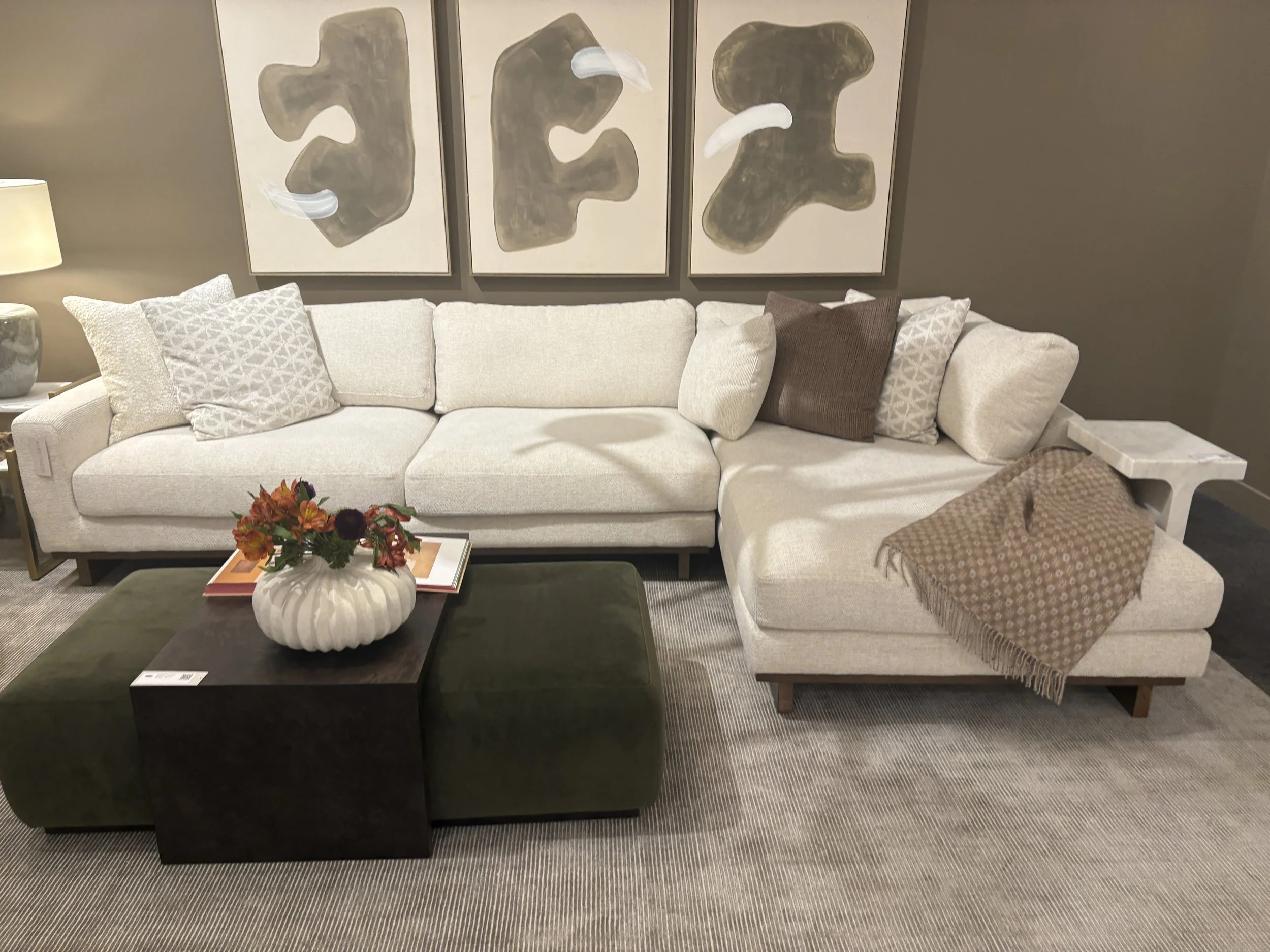
Cool grays are giving way to warmer, earthier palettes that feel lived-in rather than staged.
Warmth can make a home feel more welcoming and grounded, especially when the goal is to create a space that feels comfortable rather than overly styled.
The important distinction is that you're not choosing warm colors simply because they're fashionable.
You're choosing them because warmth can work beautifully within a home that already has a sense of comfort and character.
Natural, Tactile Materials
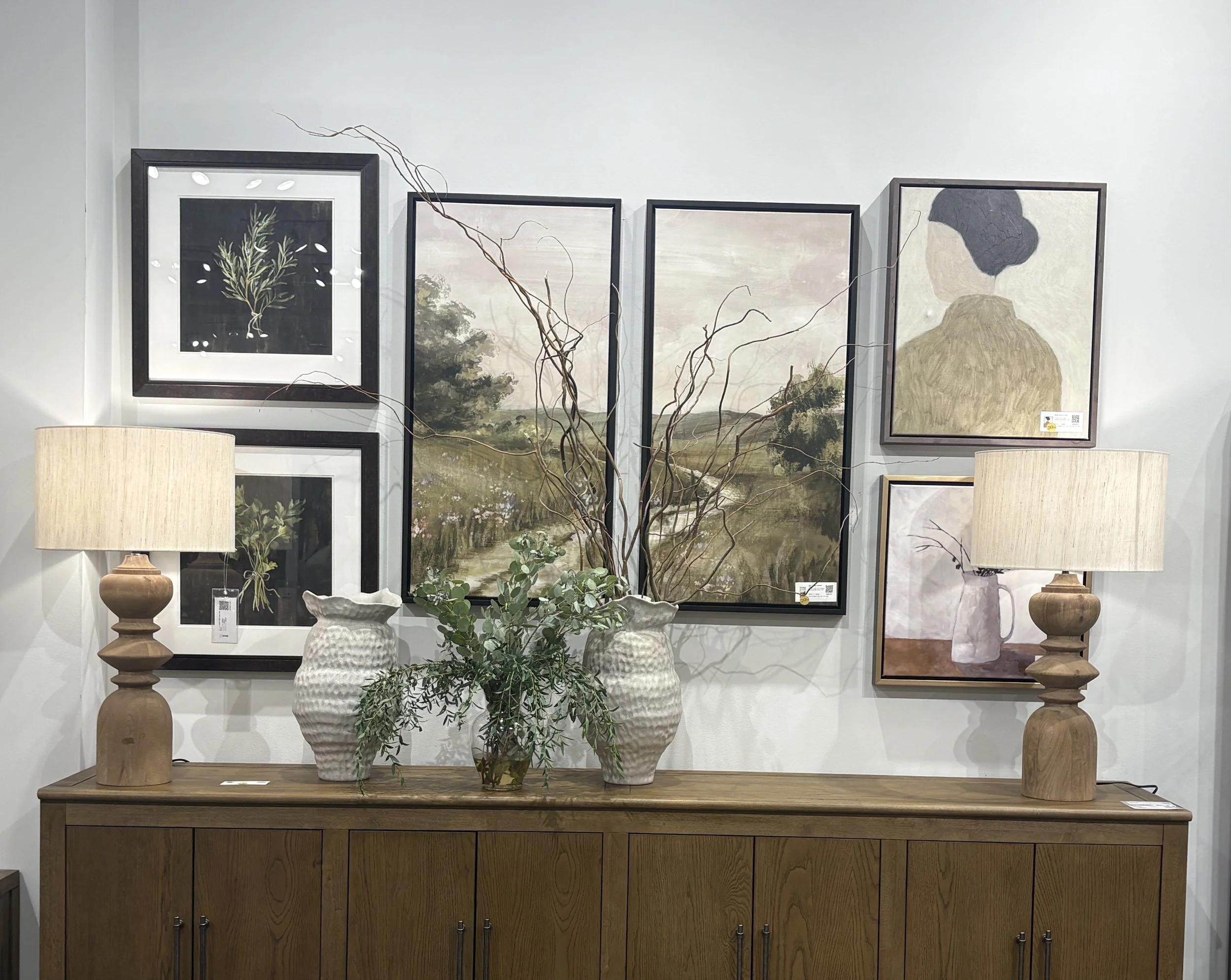
Natural materials are having a real moment, and for good reason.
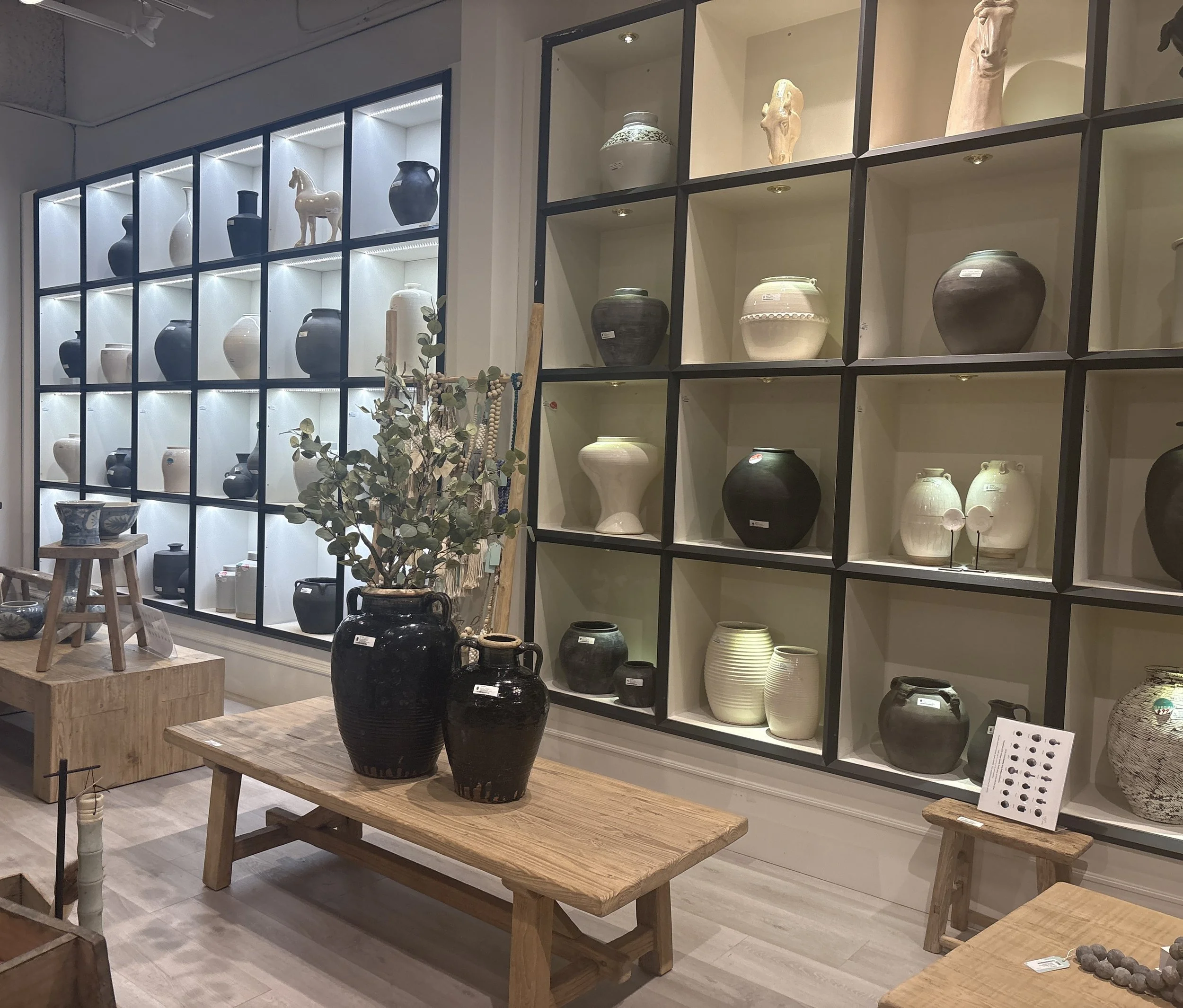
Richer wood tones, textured linens, live-edge pieces, stone, clay, cane, and jute bring texture and a connection to the natural world.
Biophilic touches—plants, greenery, and that sense of indoor-outdoor breathing room—fit naturally into this same philosophy.
These materials aren't likely to feel dated simply because another trend arrives next year. They've been part of good design for generations and continue to return because they work.
Investment-Quality Furniture
A well-built sofa or solid wood dresser may cost more upfront, but quality pieces can earn their place in your home for decades rather than years.
That's why investment-grade upholstery and case goods belong on the "worth it" side of the list.
Instead of asking only, What's popular right now?, ask whether you're investing in something that will continue to serve your home well.
Quality has staying power.
Curved and Organic Forms
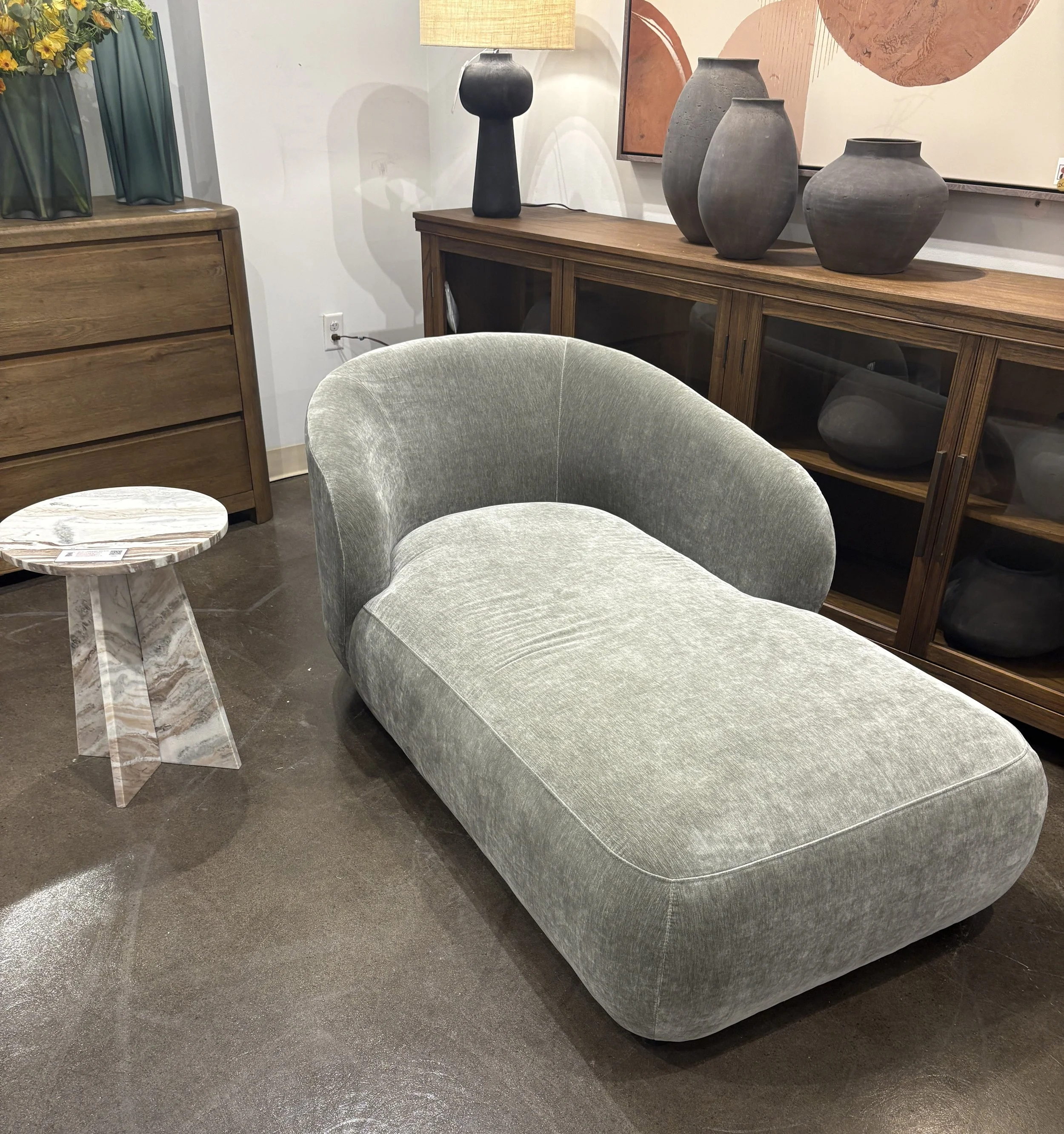
Curved, organic furniture is another design direction worth paying attention to.
Softer, rounder forms are replacing some of the hard edges we've seen dominate interiors for years.
But this shift isn't just about appearance.
It reflects something bigger about how people want to feel in their homes. There's a desire for spaces that feel softer, more comfortable, and more inviting—not simply spaces that photograph well.
Choose Timeless Shapes Over Trendy Moments
A timeless cabinet or furniture piece can continue earning its place long after the trend cycle has moved on.
Look for silhouette and quality rather than choosing something simply because it is having a moment.
That's an important distinction.
A classic with good timing is different from a trend with no staying power.
Trends Worth Skipping
Not every trend deserves your money or your attention.
Some are gone almost as quickly as they arrive, and those are worth letting pass right by.
Ultra-Specific Viral Paint Colors
A highly specific paint color tied to one viral moment can date a room quickly.
The problem isn't paint. The problem is novelty without harmony.
When a color becomes popular because everyone is talking about it rather than because it genuinely works with your home, it may have a short shelf life.
Decorative Pieces Bought Just Because They're Trending
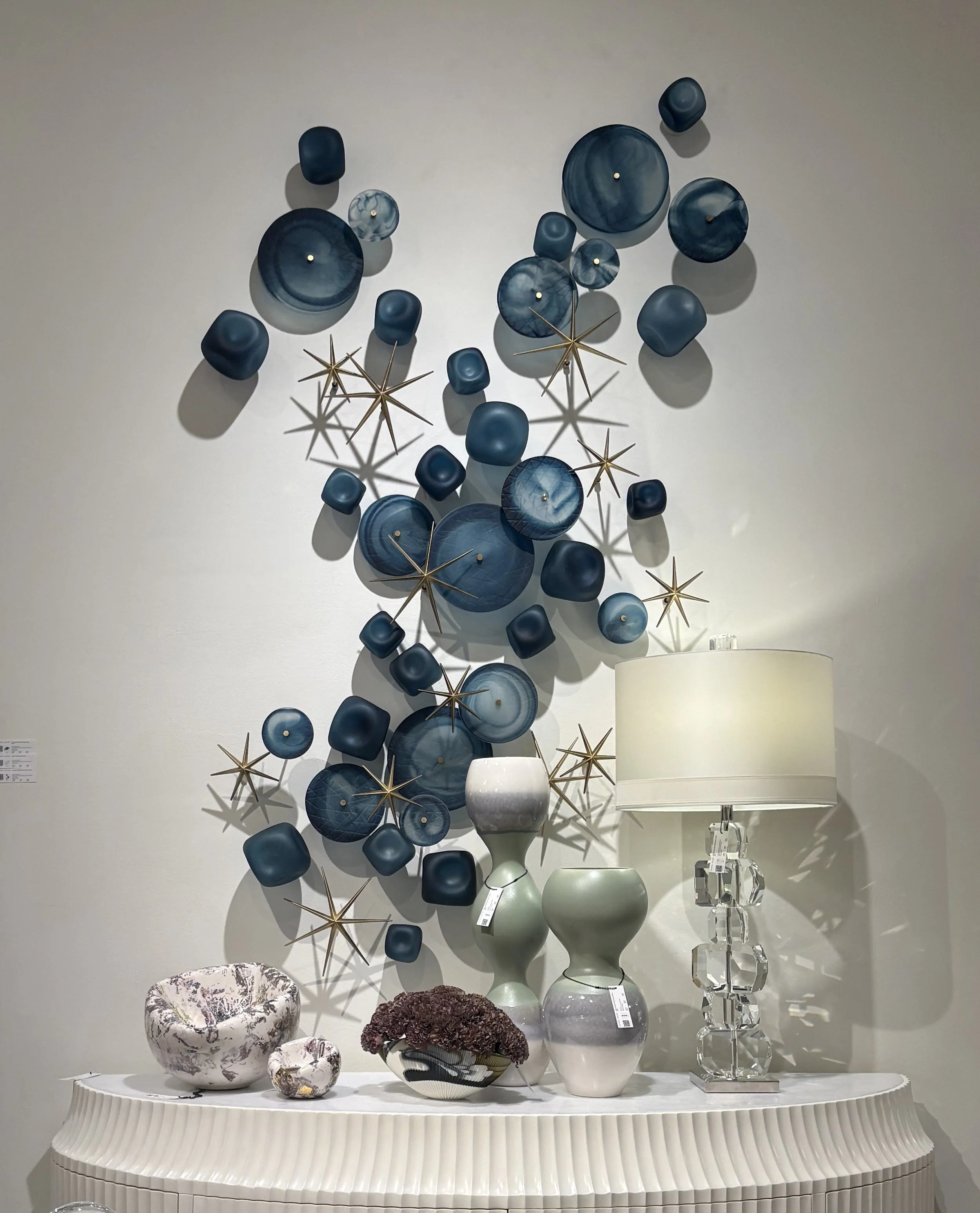
A decorative object can be beautiful and still be wrong for your home.
When you purchase something solely because it's trending—with no real connection to how you live or what you love—you're much more likely to become tired of it.
Before buying it, ask whether you would have chosen it if you had never seen it online.
That's often a revealing question.
Adopting an Entire Aesthetic Wholesale
One of the easiest ways to make your home feel borrowed is to copy an entire aesthetic from someone else's home or social feed.
You don't need to choose between being current and being yourself.
Instead of importing an entire look, pull in the individual elements that genuinely fit your home.
A texture. A tone. A single piece.
This allows you to enjoy what's current without allowing a trend to take over your identity.
The Big Picture Shift: Test Every Trend Before You Bring It Home
This is where the practical and the spiritual meet.
The way I'd encourage you to approach a design trend is the same posture Scripture calls us to in every area of life:
Test it. Examine it. Hold on to what proves to be good.
Before you bring any trend into your home, run it through these three questions.
1. Does It Align With What You've Already Invested In?
Look at your existing flooring, cabinetry, furniture, fixtures, and finishes.
Does the new trend complement those things? Or does it fight them?
A trend that looks beautiful in someone else's home can create tension in yours if it doesn't relate to what is already there.
Your home should feel harmonious, not like a collection of disconnected trends.
2. Will You Still Love It in Five Years, Not Five Weeks?
This is the staying-power question.
Ask yourself whether you genuinely love the design element or whether you're simply excited because you've seen it everywhere lately.
Five weeks can be novelty. Five years requires something deeper.
You don't need to predict the future perfectly. You simply need to be honest about whether the choice feels like something you'll continue to love.
3. Does It Serve How You Live—or Only How the Room Photographs?
This might be the most important question of all.
A design choice can look incredible in a photograph and still be completely wrong for the way you live.
Does it make your home more functional? More comfortable? More beautiful to you?
Does it support your everyday life? Or are you choosing it because it looks impressive in a picture?
A trend that works in a photograph but works against your real life isn't necessarily a good investment.
You Don't Have to Choose Between Current and Timeless
You don't have to choose between a home that feels current and a home that feels like you.
The design directions genuinely worth considering in 2026—warm palettes, natural materials, quality pieces, and softer forms—are worth investing in precisely because they were never really about being trendy in the first place.
They're good design principles that happen to be popular right now.
And the trends worth skipping become easier to recognize once you know what to test.
So the next time something catches your eye online, don't feel pressured to decide immediately.
Pause. Test it.
Ask yourself:
Does it fit what I've already invested in?
Will I still love it in five years, not five weeks?
Does it actually serve how I live, or only how a room photographs?
If it passes all three, it may deserve a place in your home.
If it doesn't, you can let it go—without guilt and without feeling like you're missing out.
That's the freedom that comes from designing with intention.
Your home can feel beautiful, current, timeless, and completely your own.
Frequently Asked Questions
How do I know if a design trend is actually worth investing in?
Run it through three questions: does it align with the fixed finishes and pieces you already own, will you still love it in five years, and does it serve how you actually live rather than just how a room photographs? A trend that passes all three is worth bringing home.
What if I already bought something trendy that I'm not sure about anymore?
That's completely normal, and it doesn't mean the whole room is a loss. Look at the piece against the same three questions and decide whether it still earns its place, or whether it's time to let it go and reinvest somewhere that serves you better.
Are natural materials like wood and stone really here to stay, or are they a trend too?
Natural materials have anchored good design for centuries, which is exactly why they keep resurfacing. They're not a trend so much as a constant that occasionally gets rediscovered, which makes them a safe, lasting investment for most homes.
How do I bring in a trend without it taking over my whole home?
Pull in the elements of a trend that genuinely fit your space — a texture, a tone, a single piece — rather than adopting the full aesthetic wholesale. That approach lets your home feel current without losing the parts of it that are already unmistakably yours.
Resource
Ready to stop guessing and get a room you're genuinely proud of? The Beautiful Room Makeover Experience gives you a guided path there. Let's hop on a quick call and see if it's the right fit for you.
Find Out More about The Beautiful Room Makeover Experience.