
Where to Splurge vs Save for a High-End Look
One of the most practical questions homeowners ask when improving their homes: Where should I spend money, and where can I save?
Many homeowners assume that creating a luxurious home requires spending large amounts of money across every element of design. Social media and home décor trends often reinforce the idea that expensive furniture and décor are the only way to achieve an elegant interior.
Yet experienced interior designers approach the process very differently.
Rather than spreading a budget evenly across every item in a room, professional designers prioritize key elements that shape the overall environment. When resources are invested wisely, even modest budgets can produce beautiful results.
Scripture offers a powerful reminder about the importance of wisdom in building a home.
In both home design and life, wisdom often matters more than abundance.
“Wise people are builders — they build families, businesses, and communities through intelligence and insight. Through wisdom and understanding a house is built, and by knowledge its rooms are filled with every precious and pleasing treasure.”
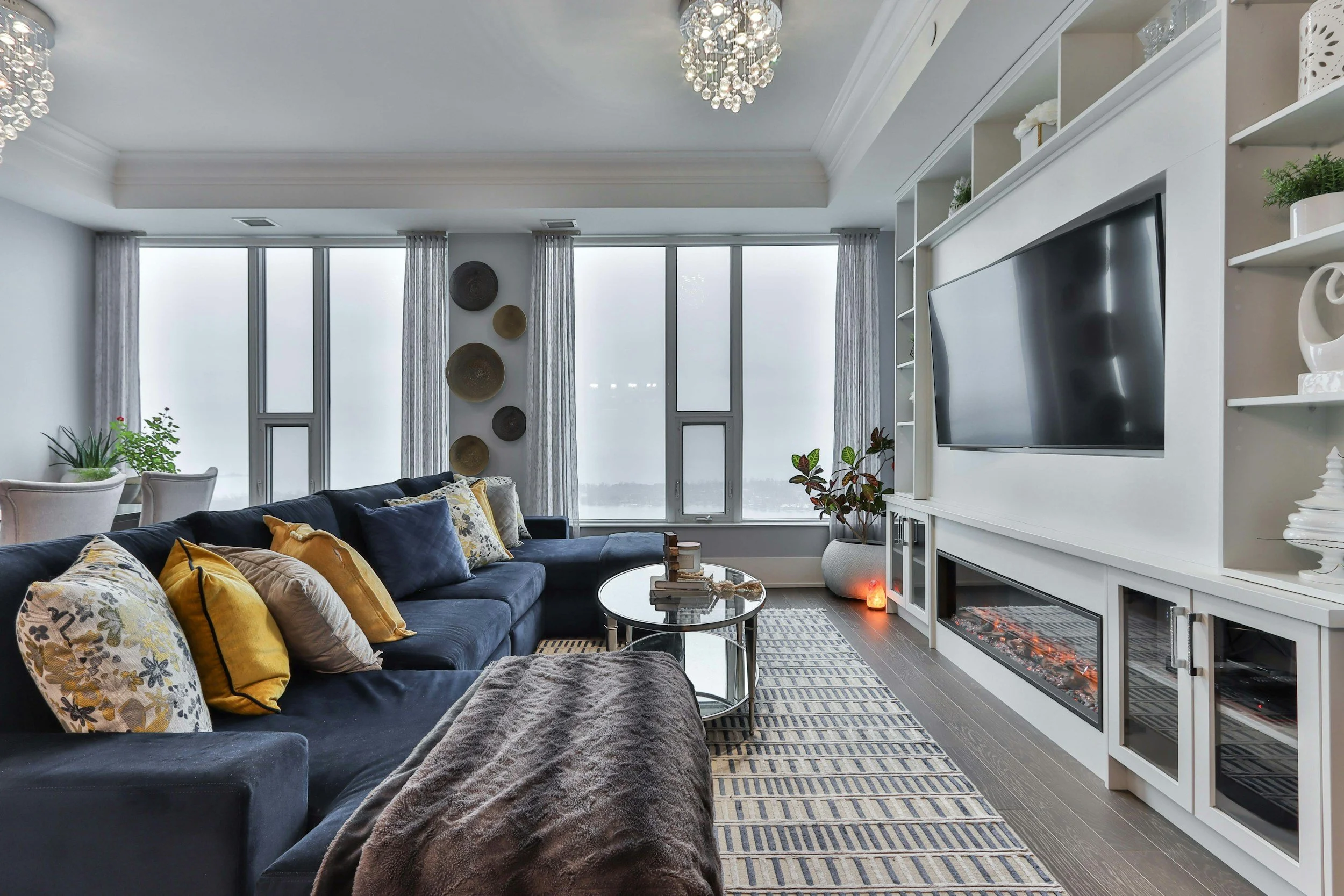
Many homeowners unintentionally spend their design budgets in ways that do not significantly improve their homes.
Without clear guidance, it is easy to focus on decorative items that seem exciting in the moment but do little to improve the overall environment of a room. Throw pillows, small accessories, and trendy décor pieces often receive more attention than the foundational elements that actually shape how a room feels.
This approach can lead to frustration. A homeowner may purchase several new decorative items yet still feel that the room looks unfinished or unbalanced.
The reason is simple. Small accessories cannot compensate for foundational design problems such as poor lighting, improper furniture scale, or an undersized rug.
Luxury design is rarely about adding more items. Instead, it is about ensuring that the most important elements of the room are strong and well chosen.
When foundational pieces are correct, the entire space begins to feel elevated.
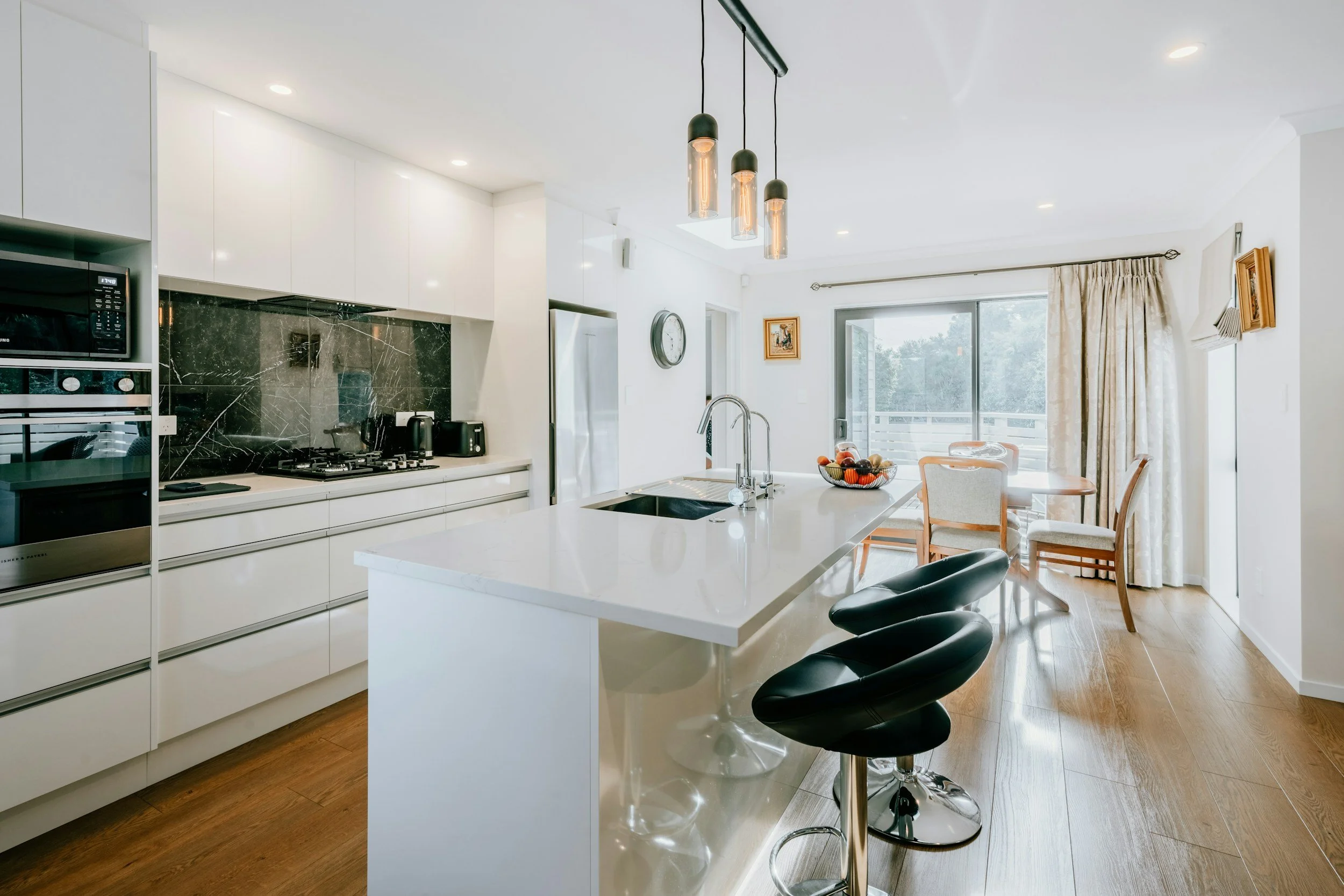
A homeowner once invited me to help her with a living room that she felt had never quite come together.
She explained that she had purchased many decorative accessories over the years in hopes of making the space feel more elegant. Shelves were filled with small décor pieces, and the sofa was covered with an assortment of designer pillows.
Yet the room still felt incomplete.
When we evaluated the space together, the underlying issue became clear. The rug was too small for the seating arrangement, resulting in visually disconnected furniture. Lighting was limited to a single overhead fixture, which created a flat and somewhat dim environment.
Instead of recommending additional décor, we focused on improving the foundational elements of the room.
We introduced a larger rug to better anchor the seating area. We added table lamps and a floor lamp to create layered lighting that added warmth and depth.
The transformation was immediate.
The same furniture suddenly looked more intentional and balanced. The room felt welcoming and refined without adding additional decorative clutter.
This experience illustrates a valuable design principle. When the foundational elements of a room are correct, the entire space begins to feel elevated.
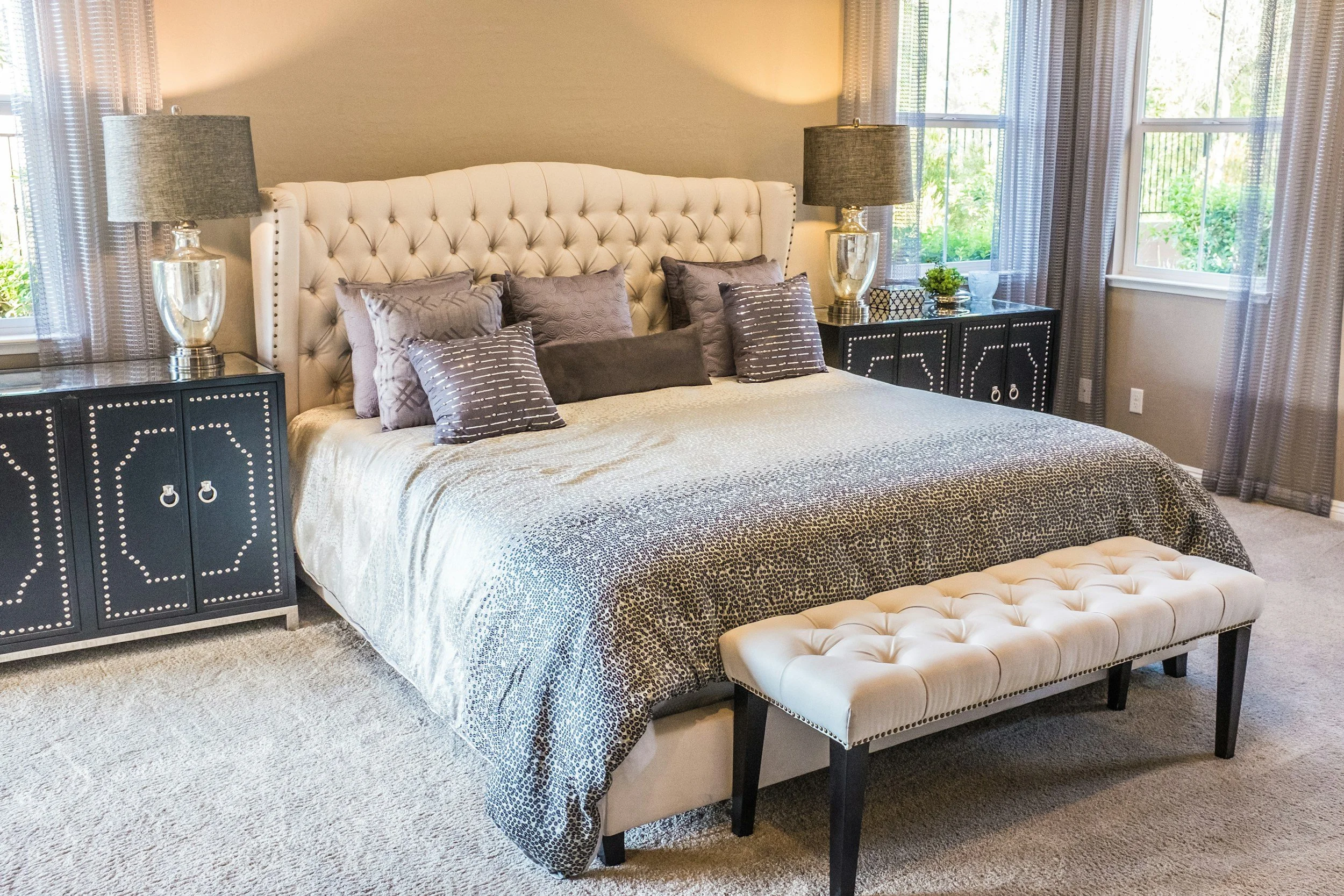
Interior Design Secrets That Make Your Home Look Expensive
Professional interior designers often begin with the elements that shape the structure and atmosphere of a room.
Foundational furniture pieces such as sofas, dining tables, and beds are among the most important investments. These pieces anchor the room visually and influence comfort every day. Choosing quality construction and timeless silhouettes allows these items to remain beautiful and functional for many years.
Lighting is another area where thoughtful investment creates a significant impact. Rooms that rely solely on overhead lighting often feel flat and uninviting. Introducing layered lighting through lamps and accent lighting adds warmth, dimension, and visual interest.
Rugs also play a powerful role in defining space. Properly scaled rugs anchor furniture groupings and help unify the design of a room. When rugs are too small, the furniture appears disconnected, and the room feels visually fragmented.
On the other hand, many small decorative accessories can be chosen more economically. These items change frequently as seasons, tastes, and trends evolve. Keeping these purchases simple allows homeowners to refresh their spaces without large financial commitments.
This balanced approach allows homeowners to create elegant interiors while maintaining wise stewardship of their resources.
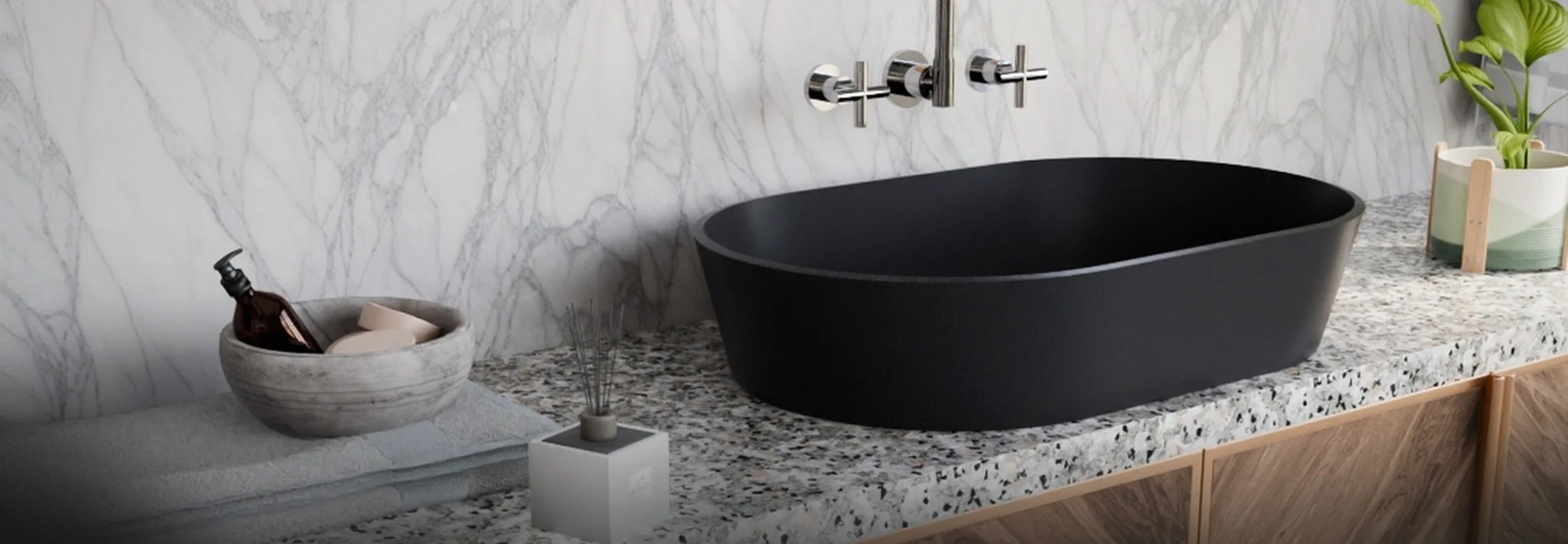
The principle of wisdom before abundance appears throughout Scripture. Proverbs 24:3–4 reminds us that building a home begins with insight and understanding.
When applied to interior design, this wisdom encourages thoughtful decision-making rather than impulsive spending.
Stewardship is an important spiritual value. Using resources wisely allows homeowners to create environments that support their families while honoring the blessings they have received.
A beautiful home does not require excessive spending. Instead, it grows gradually through intentional decisions that prioritize quality, balance, and peace.

CONCLUSION
Creating a luxurious home is not about spending more money on every item within a room. Instead, it is about understanding which design elements truly influence the overall environment of the space.
When homeowners invest in foundational furniture, proper lighting, and well-scaled rugs, their homes begin to feel balanced and elevated. Smaller accessories can then complement these elements without requiring large budgets.
This thoughtful approach allows homeowners to create interiors that feel both beautiful and responsible.
In the end, the most elegant homes are rarely the ones with the largest budgets. They are the homes where design decisions have been made with wisdom and intention.
FAQ
Where should homeowners invest the most in interior design?
Foundational furniture pieces, lighting, and well-scaled rugs usually create the greatest visual impact.
What items can homeowners save money on?
Smaller décor accessories, such as pillows and seasonal items, can often be chosen more economically.
Why do small accessories not improve a room significantly?
Accessories enhance a room, but they cannot compensate for problems with furniture scale, lighting, or layout.
Can a home still look luxurious on a moderate budget?
Yes. Thoughtful prioritization and design clarity often create elegant interiors without excessive spending.
Resource
Take the Interior Design Personality Quiz and discover the design style that fits you naturally. 👉 shereedouglasbrock.com (scroll down to take the quiz)
Get professional guidance refining a specific room, explore the Beautiful Home Makeover Experience
Want to transform your home with confidence? Book a 👉 1:1 Interior Design Consult