

10 Design Ideas That Can Bring Peace in Your Home

Many homeowners quietly ask themselves: Why doesn’t my home feel peaceful?
A home can be beautifully decorated yet still feel visually overwhelming or emotionally unsettled. Many homeowners assume that adding more décor or purchasing new furniture will solve the problem. In reality, peaceful interiors are created through thoughtful design decisions that influence how a space feels and functions.
Scripture reminds us that peace ultimately comes from God, yet the environments we create can support that peace in our daily lives.
“And the peace of God, which surpasses all understanding, will guard your hearts and minds through Christ Jesus.”
While true peace comes from God, the spaces we live in can either support calm and clarity or contribute to distraction and stress.
Interior design, when approached thoughtfully, can help create homes that reflect peace, order, and rest.
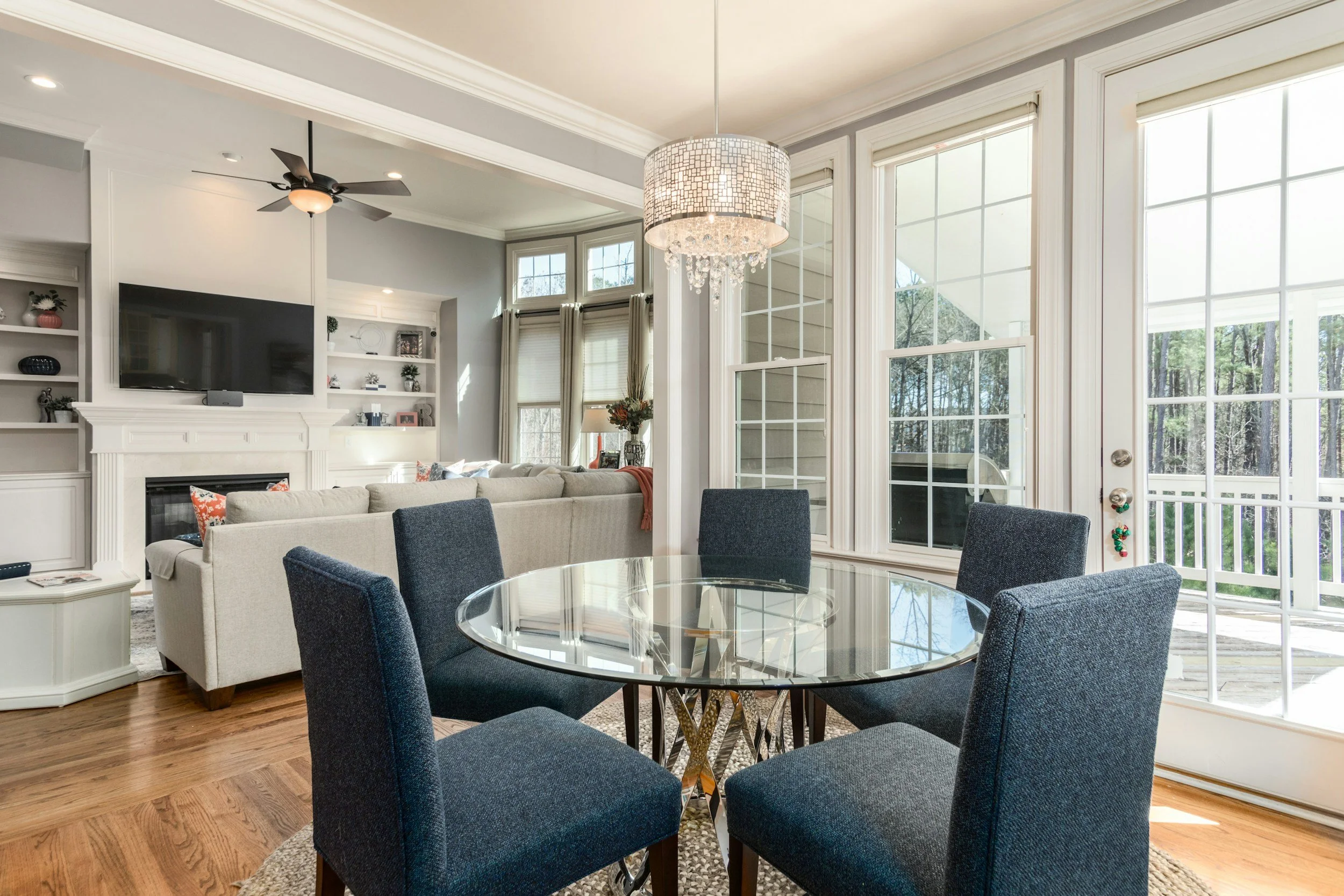
Many homeowners unintentionally create environments that feel visually overwhelming. Rooms filled with too many decorative items, poorly arranged furniture, or harsh lighting can cause subtle stress without the homeowner realizing why.
The human brain constantly processes visual information. When a space contains too many competing elements, the brain struggles to settle. This can lead to a sense of restlessness even when the furniture itself is attractive.
Homes today often contain layers of possessions accumulated over time. Decorative items purchased with good intentions may eventually crowd shelves, tables, and countertops.
Instead of creating beauty, the room begins to feel busy.
Lighting also plays a significant role in shaping emotional atmosphere. Rooms lit only by bright overhead fixtures can feel stark and uncomfortable, while rooms that lack sufficient lighting can feel dull and lifeless.
Furniture layout presents another common challenge. When furniture blocks pathways or separates people from one another, rooms feel awkward and disconnected.
Together, these elements create an environment that feels unsettled rather than peaceful.
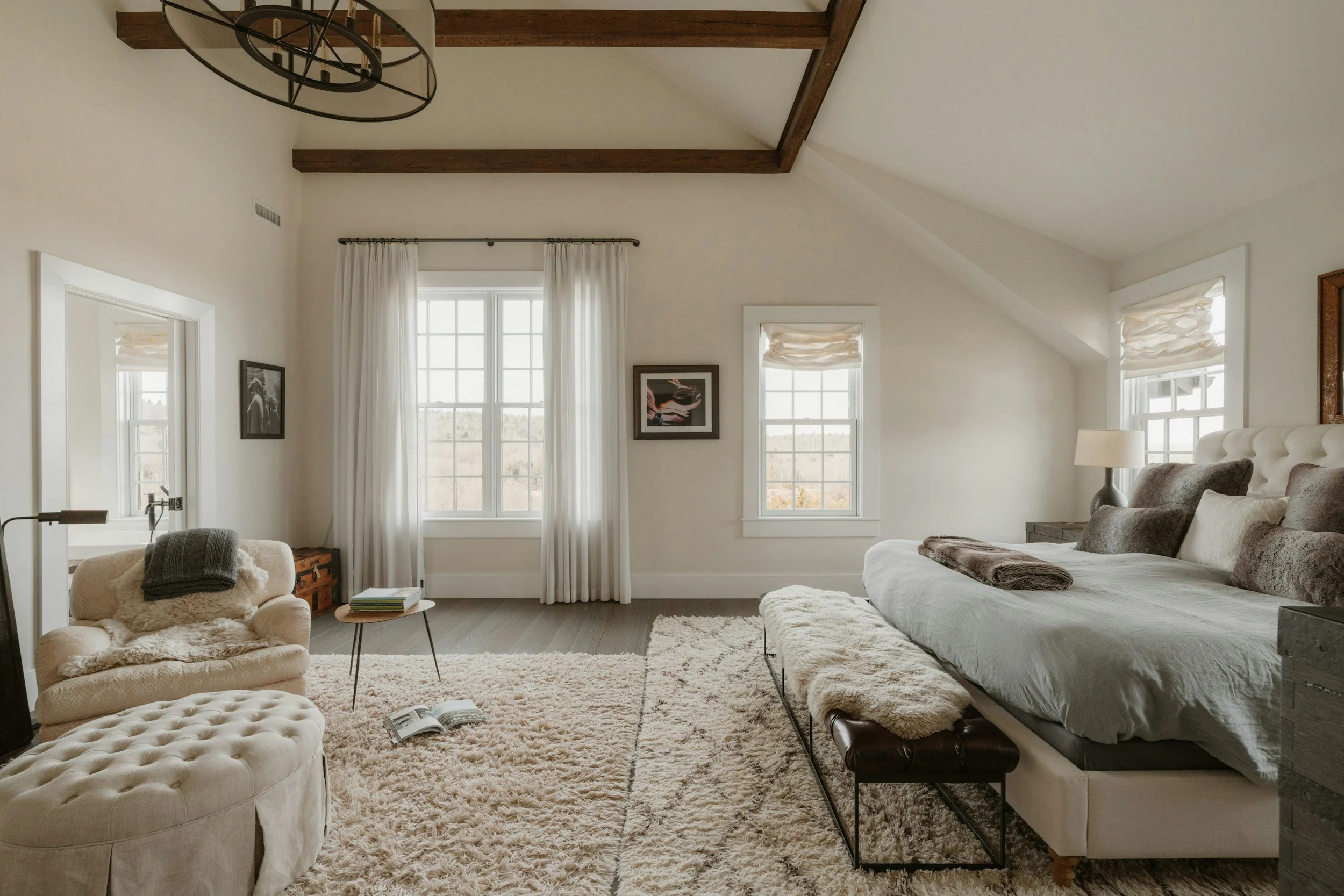
A homeowner once invited me to evaluate her home because she felt it had never truly felt peaceful.
The home itself was lovely. The architecture was attractive, and the furnishings were well chosen.
Yet she described the atmosphere as busy and slightly stressful.
When we walked through the home together, the issue quickly became clear.
Each room contained many decorative objects competing for attention. Furniture placement disrupted the natural flow through the space, forcing people to navigate around chairs and tables.
Lighting was limited to overhead fixtures that cast harsh shadows across the room.
None of these elements was inherently wrong. However, together they created visual tension.
Instead of adding anything new, we focused on simplifying the environment.
We removed several decorative pieces, repositioned the furniture to improve movement and conversation, and introduced warm layered lighting with table lamps.
The change was remarkable.
When the adjustments were complete, the homeowner paused and looked around quietly.
“This feels peaceful,” she said.
That moment illustrates the true power of thoughtful design.
Sometimes peace is not created by adding more.
It is created by allowing the space to breathe.
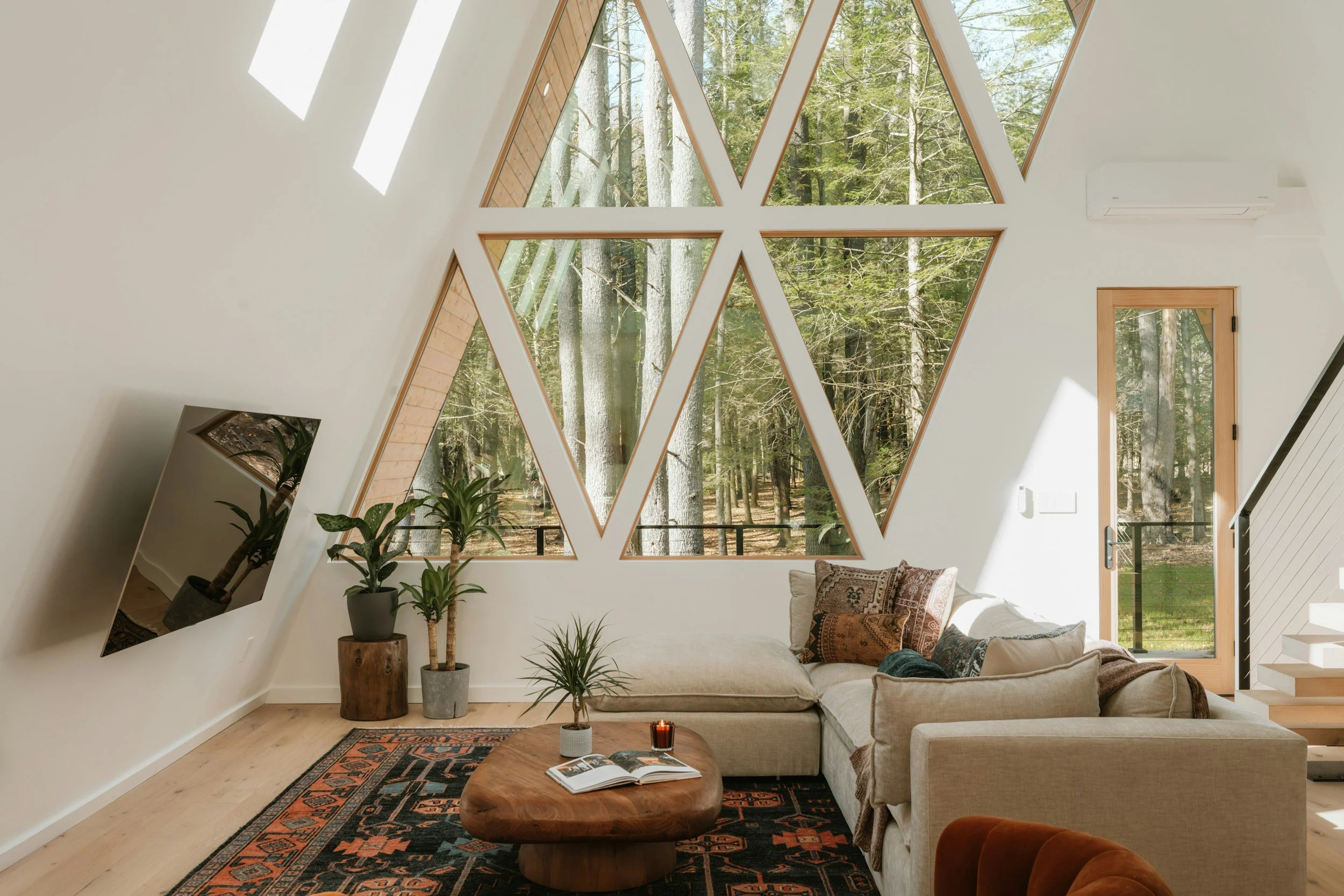
How to Create an Atmosphere of Heaven in Your Home
1. Clear Visual Clutter (Not Just Physical Clutter)
Peace begins with what your eyes take in. Even if a room is technically “clean,” too many items competing for attention can create subtle stress. Edit surfaces so each piece has space to breathe. A few meaningful, beautiful items will always feel more peaceful than many random ones.
2. Choose a Calm, Cohesive Color Palette
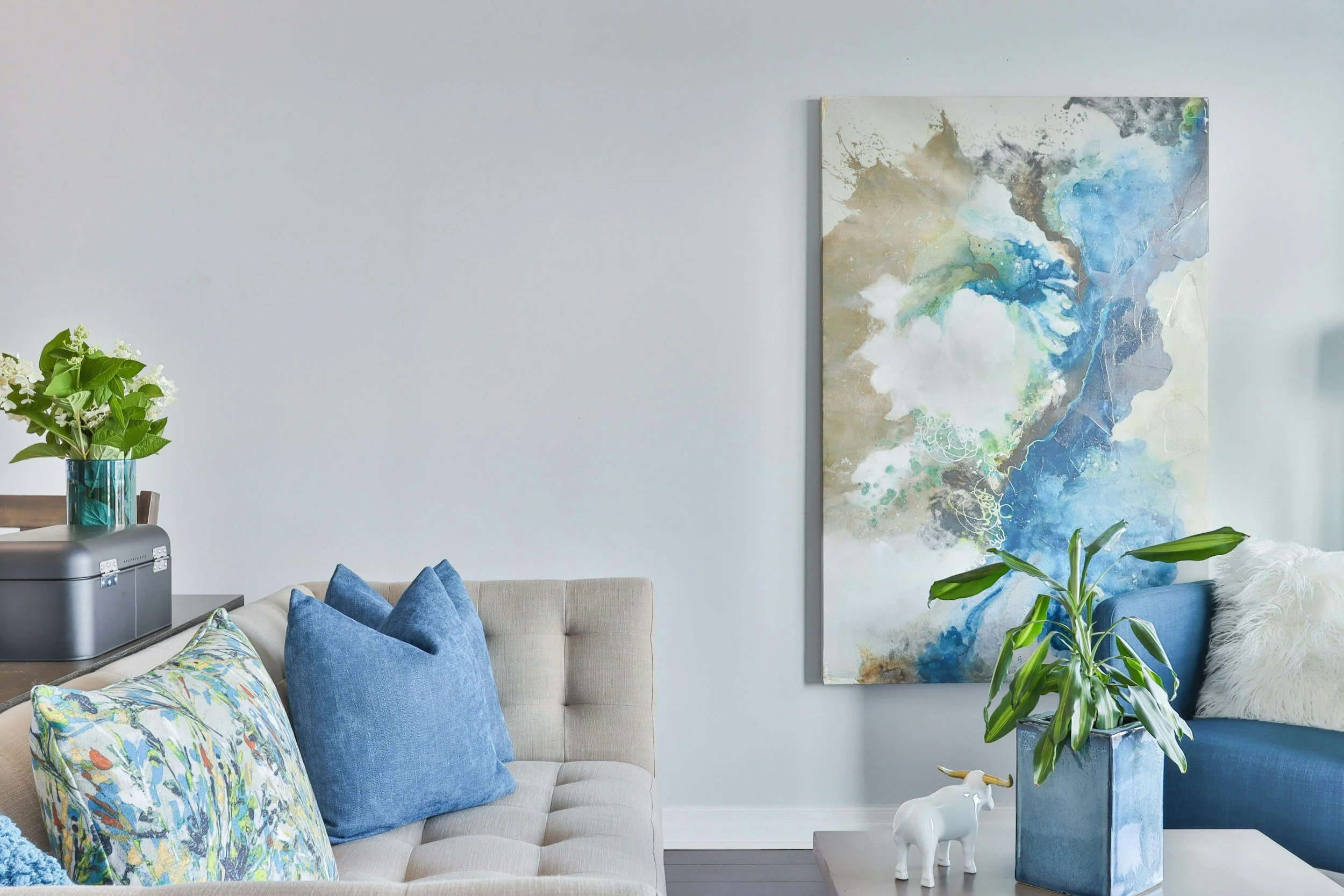
Color has a direct emotional impact. Soft neutrals, warm whites, gentle greens, and muted blues tend to calm the nervous system. The key isn’t just the color—it’s consistency. When your palette flows from room to room, your entire home feels more settled and intentional.
3. Let in Natural Light
There is something God-designed about natural light—it lifts the entire atmosphere. Open your drapery during the day, clean your windows, and avoid blocking light with heavy furniture. A light-filled room instantly feels more peaceful and alive.
4. Surrounded by Your Personal Style
Being surrounded by things you truly love in your home creates a quiet, steady sense of peace because everything around you feels aligned with who you are. When your space reflects your personality, your memories, and what brings you joy, your home stops feeling like a place you’re trying to “fix” and starts feeling like a place you can fully rest. It gently supports your mood, calms your mind, and allows you to exhale—because you’re no longer questioning your environment, you’re comforted by it.
5. Use Fewer, Better Pieces
This is one of my favorite design truths: peaceful rooms are edited rooms. Instead of filling a space, choose pieces you truly love and that serve a purpose. When everything has intention, your home feels grounded rather than overwhelming.
6. Create Comfortable, Inviting Seating
Peace is something you experience physically. A well-placed chair, a supportive sofa, or a cozy reading corner invites you to slow down. Pay attention to comfort, scale, and layout so your room supports rest—not just appearance.
7. Bring in Natural Elements
Wood, linen, cotton, stone, greenery—these materials connect us to nature, and that connection naturally calms us. Even something as simple as a wooden tray, a linen pillow, or a plant can soften a room and make it feel more serene.
8. Establish a Clear Layout (Flow Matters)
A peaceful room is easy to move through. When furniture blocks pathways or feels randomly placed, it creates subtle tension. Arrange your furniture so the room flows naturally—this alone can make a space feel instantly more relaxed.
9. Add Meaningful, Personal Touches
Peace comes from feeling at home, not just “well-decorated.” Include pieces that reflect your life—family photos, a favorite book, something from your travels, or even a scripture that speaks to you. These touches bring emotional warmth into the space.
10. Design One Exhale “Awwwe” Space
Every home needs at least one place where you can truly unwind. It could be a chair by a window, a quiet bedroom corner, or a small prayer space. When you intentionally design a place to sit, breathe, and be still and know that “I AM GOD” — you create a rhythm of peace in your home.
These principles demonstrate that peaceful interiors are not created through decoration alone. They emerge when the environment supports calm movement, visual clarity, and comfortable interaction.
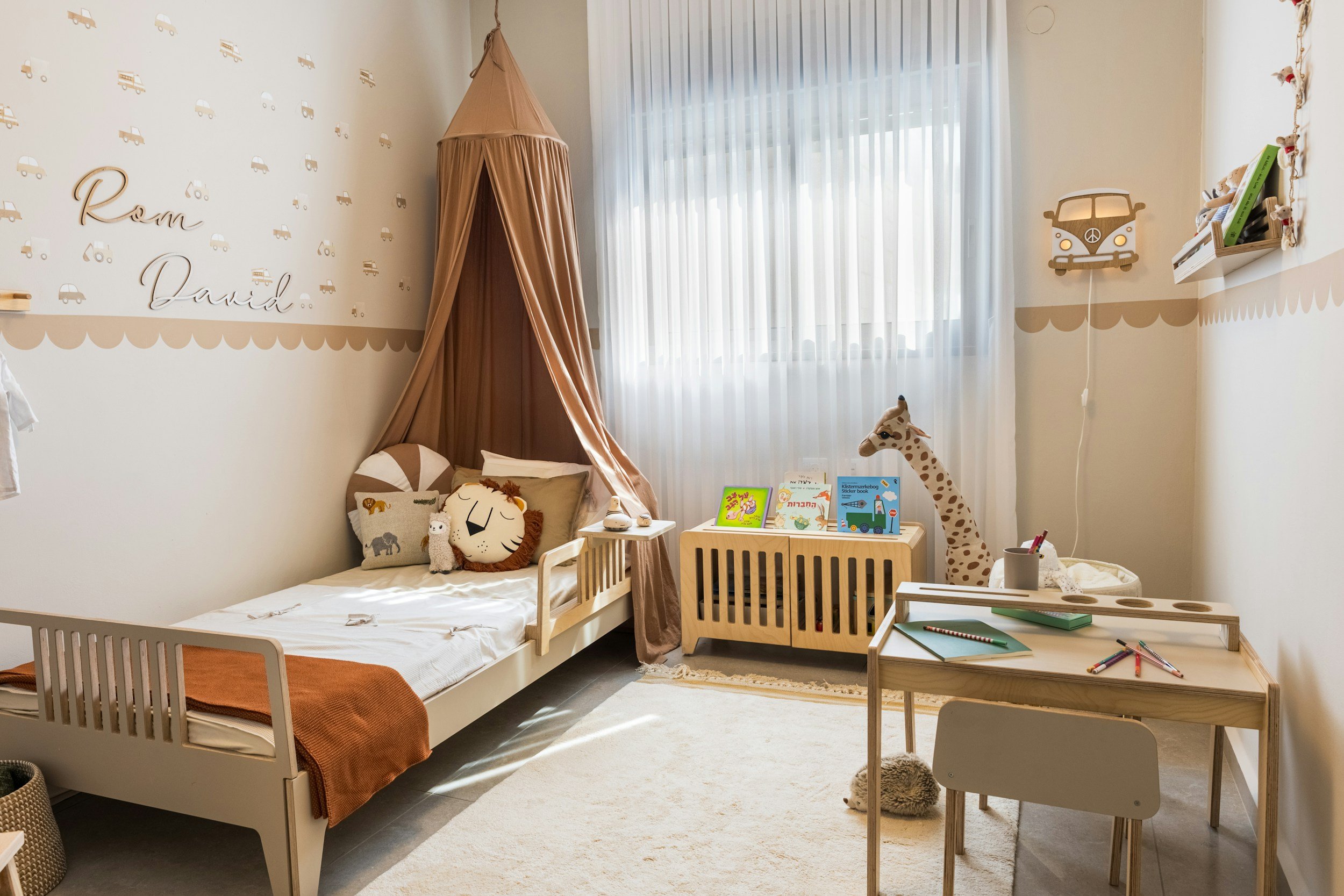
The concept of peace appears throughout Scripture as a central promise of God’s presence.
Philippians 4:7 reminds us again:
"And the peace of God, which surpasses all understanding, will guard your hearts and minds through Christ Jesus."
While spiritual peace comes from God, the environments we inhabit can influence how easily our hearts and minds settle.
Homes designed with simplicity, order, and thoughtful intention help support rest, reflection, and gratitude.
Interior design, therefore, becomes more than decoration. It becomes a form of stewardship — caring for the environment where our daily lives and spiritual practices unfold.
CONCLUSION
A peaceful home does not require expensive furnishings or elaborate décor. Instead, it grows through thoughtful design decisions that allow rooms to feel calm, balanced, and welcoming.
By simplifying visual elements, improving lighting, and arranging furniture thoughtfully, homeowners can transform the atmosphere of their homes in meaningful ways.
Peaceful homes are rarely the result of adding more. They are often the result of carefully refining what already exists.
FAQ
What creates a peaceful atmosphere in a home?
Visual simplicity, thoughtful lighting, and balanced furniture layout all contribute to calm environments.
Can interior design really affect how we feel emotionally?
Yes. The environment strongly influences mood, stress levels, and emotional comfort.
What is the first step to creating a peaceful home?
Simplifying visual clutter and improving lighting often produces immediate improvements.
Does peaceful design require buying new furniture?
Not necessarily. Many homes become more peaceful simply through better layout and refinement.
Resource
Take the Interior Design Personality Quiz and discover the design style that fits you naturally. 👉 shereedouglasbrock.com (scroll down to take the quiz)
Get professional guidance refining a specific room, explore the Beautiful Home Makeover Experience
Want to transform your home with confidence? Book a 👉 1:1 Interior Design Consult