
Motorized Window Coverings - Which Are the Best Investment?
One of the most overlooked—but incredibly important—design decisions in your home: motorized window coverings.
If you’ve ever wondered whether to choose battery-operated or hardwired systems, or why some motorized shades feel luxurious while others feel frustrating, this is where clarity begins.
When you begin to see your home as something built with intention, not just assembled piece by piece, your decisions start to shift.
Window coverings are not just an afterthought. They are part of how your home functions, how it feels, and how it supports your daily life.
Today, we are bringing wisdom and understanding into a decision that quietly affects your home every single day.

Motorized window coverings sound like a luxury upgrade—and in many ways, they are. The idea of pressing a button and having your shades rise effortlessly feels modern, elevated, and convenient.
But what most homeowners don’t realize is that not all motorized systems are created equal. And more importantly, not all homes require the same solution.
The confusion often begins with a simple question: battery-operated or hardwired? It sounds like a technical choice, something that should be straightforward. But beneath that decision are layers of design considerations that most people are never guided through. Things like the size and weight of your windows, the purpose of each room, the amount of natural light, and even how you want your home to feel throughout the day all play a role.
Without that clarity, homeowners often make decisions based on convenience, price, or what feels easiest in the moment. And while those choices may seem fine at first, they can lead to subtle frustrations that build over time. Shades that move too slowly. Motors that sound louder than expected. Battery packs that interrupt the clean lines of a beautiful space. Systems that don’t quite respond the way you imagined.
Emotionally, this creates a quiet disappointment. You invested in something that was supposed to elevate your home, yet it doesn’t feel as seamless or luxurious as you hoped. Practically, it can lead to ongoing maintenance, inefficiencies, and even the need to replace or upgrade sooner than expected.
This is not a matter of making a wrong choice—it’s a matter of not having the full picture. When you understand the role motorized window coverings play in your home, everything begins to make sense.

I remember walking into a client’s home that had absolutely stunning windows. Tall, expansive, full of natural light—exactly the kind of architectural feature that should feel like a highlight of the home. She had already invested in motorized shades, thinking she was making a smart and modern decision.
On the surface, everything looked right. The shades were installed. The remote worked. The concept was there. But as soon as I experienced the space, something felt off. The movement of the shades was slower than expected, and there was a slight noise that became noticeable in an otherwise peaceful room. In certain lighting, the battery components were visible, subtly interrupting the clean, tailored look she was trying to achieve.
More than anything, the scale didn’t match. The windows were grand and substantial, but the system supporting them felt underpowered. It wasn’t a dramatic failure—it was something much quieter than that. A feeling that the space wasn’t living up to its full potential.
She said something that stayed with me: “I thought this would feel more luxurious.”
That moment revealed everything. The issue wasn’t that she chose motorized shades. The issue was that no one walked her through the right type of system for her home. Once we re-evaluated the purpose of each window, the weight of the coverings, and how she wanted the space to function daily, we made targeted changes.
The transformation was not just visual. It was experiential. The shades moved smoothly and quietly. The design felt integrated instead of added on. The room finally reflected the level of elegance her home deserved. And most importantly, she felt at ease in her own space again.
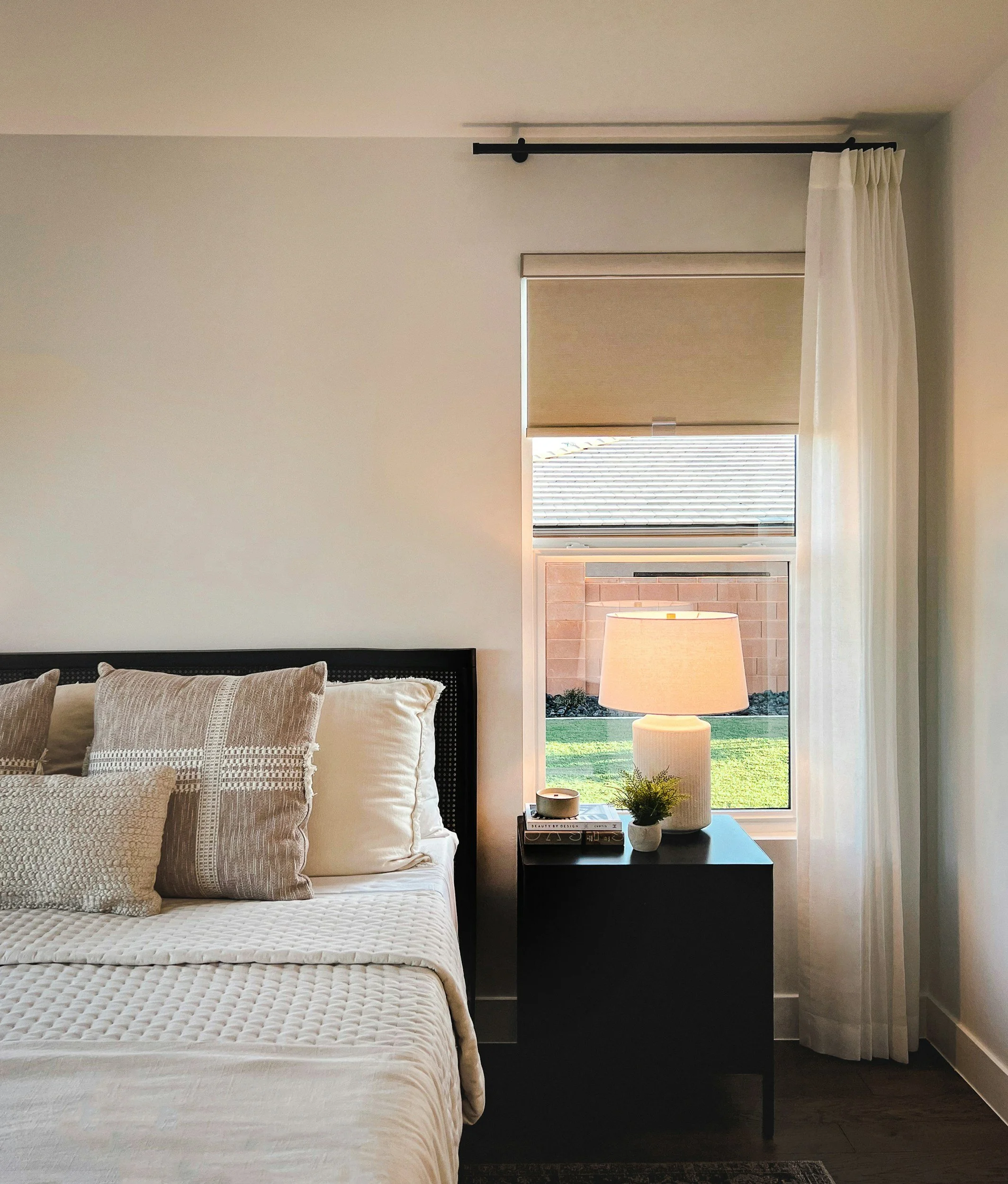
Understanding the Two Systems: Battery-Operated vs. Hardwired
The first thing every homeowner needs to understand is that battery-operated and hardwired motorized window coverings are not interchangeable. They are two entirely different systems designed for two entirely different situations, and choosing the wrong one is an expensive mistake.
Battery-operated motorized shades are powered by rechargeable or replaceable batteries housed within the shade's hardware. They are wireless, which means installation does not require an electrician, and they can be added to an existing home with relative ease. They work beautifully in specific applications — light-to-medium weight window coverings, smaller window spans, rooms where running electrical wire is cost-prohibitive or structurally challenging, and retrofit situations where you are upgrading an already-finished home without opening walls. They are a wonderful product in the right context.
Hardwired motorized systems, by contrast, are connected directly to your home's electrical system. They require a licensed electrician for installation and are ideally specified during new construction or major remodel, when walls are open, and wire runs are clean and accessible. Hardwired systems are essential for heavy window coverings — think blackout drapery, motorized roller shades in large commercial-grade fabrics, or Roman shades in lush linen — because smaller battery-operated motors simply do not have the torque to reliably lift significant weight over time. In new construction, especially, hardwired is almost always the correct specification.
Why does this matter so much? Because the decision you make during installation is largely permanent. Retrofitting hardwired systems into a finished home is costly and disruptive. Getting it right at the beginning protects your investment, your walls, your schedule, and your peace of mind.
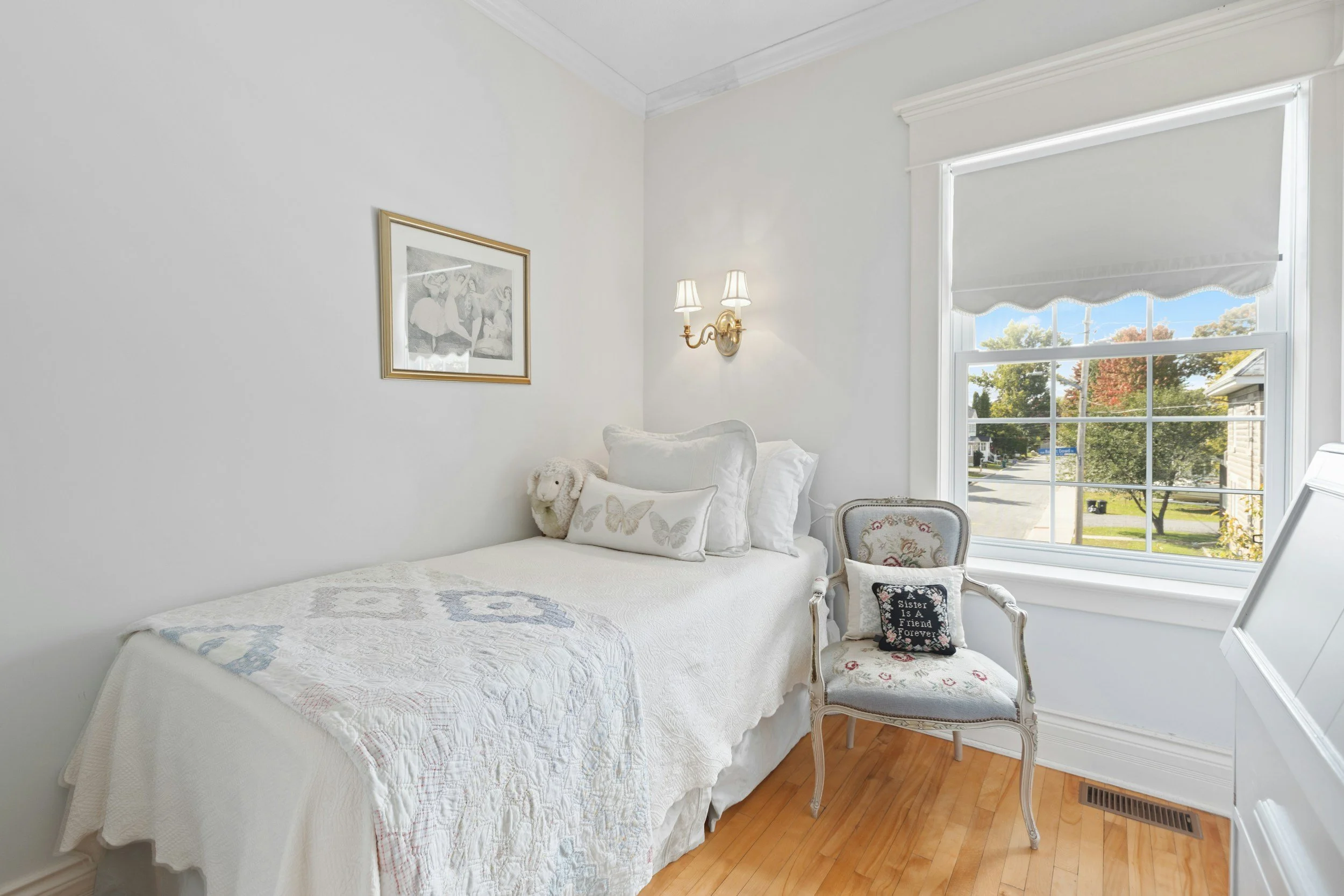
The Function of Window Coverings in Your Home
Before you select any motorized product, you must first answer a foundational question: What do you need this window covering to do? The function of a window covering determines everything — the product category, the fabric, the system type, and yes, the motor.
Window coverings serve four primary functions in a home, and most homeowners focus only on one. The first is light control. Do you need a complete blackout for a bedroom or media room? Do you need solar filtering that reduces glare without eliminating natural light? Do you need sheer coverage that offers daytime privacy while still connecting you to the outdoors? Each of these requirements points to a specific product.
The second function is privacy. Privacy needs vary dramatically by room and by window orientation. A street-facing living room window has entirely different privacy requirements than a bedroom window that faces a private garden. Your motorized system must address privacy intelligently and specifically.
The third function is energy efficiency. Motorized window coverings, when properly specified, can significantly reduce your energy bills. Cellular shades with motorization are among the highest-performing insulating products on the market. Exterior solar shades can dramatically reduce solar heat gain in hot climates like Phoenix, keeping your home cooler without blocking your view. The energy savings over time are real, measurable, and worth factoring into your budget conversation.
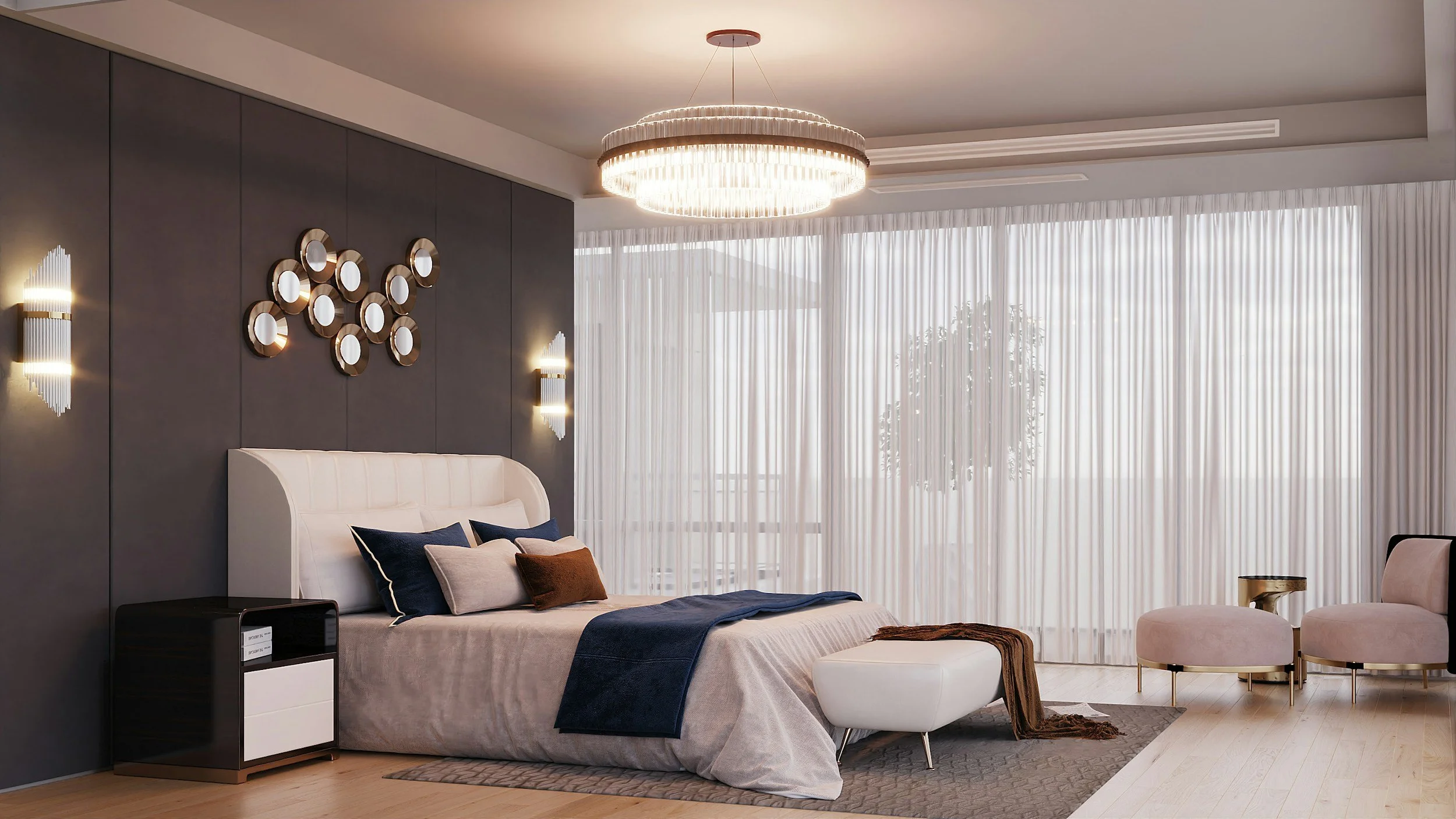
The fourth function — and the one most closely connected to our faith and our design philosophy — is aesthetics. Beautiful window coverings are not a luxury. They are a foundational design element. They frame your view, soften your architecture, and set the emotional tone of every room in your home. When your window coverings are thoughtfully chosen and beautifully installed, your entire home feels elevated. When they are an afterthought, every room suffers.
Products, Finances, and Making the Right Investment
Let's talk about money, because this is where many homeowners make decisions they regret.
Motorized window coverings represent a significant investment, and that investment must be made strategically. The temptation to cut corners — to choose the least expensive option, to skip the professional consultation, to order online without samples — is one of the most costly mistakes in home design.
Several product categories work beautifully with motorization: roller shades, cellular shades, Roman shades, wood and faux wood blinds, sheer shadings, exterior solar shades, and motorized drapery systems. Each product has a different price point, a different functional profile, and a different aesthetic contribution to your space.
Real samples matter enormously. The way a fabric looks on a website or in a small swatch is rarely how it looks at full scale in your home. Before committing to any motorized window covering, you need to see large samples in your actual light — morning light, afternoon light, and evening light. This is not optional. This is the difference between loving your windows for the next fifteen years and regretting them for the next three.
Professional help is essential for motorized systems, full stop. This is not a DIY category. The integration of motor type, fabric weight, window size, smart home connectivity, electrical requirements, and aesthetic outcome requires expertise. A skilled interior designer or window treatment specialist will save you far more money than they cost, because they will guide you away from products that will fail in your specific application and toward products that will perform beautifully for decades.
When thinking about budget, I encourage my clients to think in terms of long-term value rather than immediate cost. A well-specified motorized window covering system that serves your home for fifteen to twenty years at a premium price point is a far better investment than three rounds of replacing cheap systems that failed. Think like a homeowner building equity — not like a shopper looking for a deal.
CONCLUSION
Motorized window coverings are one of those decisions that quietly shape your daily experience at home. When they are chosen thoughtfully, they create a sense of ease, elegance, and function that you feel without even thinking about it. When they are chosen without clarity, they can become a subtle source of frustration.
The difference is not in spending more or choosing something more complex. The difference is in understanding what your home needs and making decisions from that place. You are not behind. You are simply being invited into a deeper level of awareness.
When you take the time to get this right, your home begins to feel more cohesive, more supportive, and more aligned with the life you want to live. And that is where true confidence in design begins.
FAQ
What is the difference between battery-operated and hardwired motorized window coverings?
Battery-operated systems are easier to install and ideal for existing homes, while hardwired systems are integrated into the home’s electrical system and provide more power, consistency, and a cleaner aesthetic for long-term use.
Are hardwired motorized window coverings worth it?
Yes, especially in new construction or large-scale remodels. They offer better performance, less maintenance, and a more seamless, high-end design experience over time.
Do motorized window coverings increase home value?
When thoughtfully selected and professionally integrated, motorized window coverings can enhance both the functionality and perceived value of a home, particularly in higher-end markets.
How do I know which window covering is right for each room?
The best approach is to consider the purpose of each window—light control, privacy, energy efficiency, or aesthetics—and choose a solution that supports that function while aligning with your overall design.
Resource
Take the Interior Design Personality Quiz to understand your style, your priorities, and how to make decisions with confidence at shereedouglasbrock.com (scroll down to take the quiz)
Book a Beautiful Home Makeover Experience and transform your space in just a few hours—often using what you already own.