

5 Ways to Create a Prayer Space or Prayer Closet

Many women of faith desire a peaceful place to pray, reflect, and meet with God, yet they often feel unsure where to begin.
A home does not need a dedicated chapel or extra room to support spiritual life. Often, a small intentional space is all that is required to create an atmosphere of quiet connection with the Lord.
Jesus Himself spoke about the importance of private prayer in Matthew 6:6.
Creating a prayer space in your home simply means designing an environment that supports this kind of quiet, focused time with God.
“Whenever you pray, go into your innermost chamber and be alone with Father God, praying to him in secret. And your Father, who sees all you do, will reward you openly.”

Many women deeply desire a consistent prayer life, yet the environment of their homes can unintentionally work against that desire.
Modern homes are often busy places filled with responsibilities, family activity, technology, and constant noise. Even when a woman intends to sit down with her Bible or devotional, distractions can quickly interrupt the moment.
The kitchen table may be covered with paperwork. The living room may feel too busy with television and conversation. Bedrooms may feel associated with rest rather than reflection.
Without a designated place to pray, spiritual habits can easily become inconsistent. A woman may move from room to room trying to find a quiet space, yet never quite settling into a rhythm that supports daily connection with God.
Emotionally, this can lead to frustration or even quiet guilt. Many faithful women begin to wonder why something as important as prayer feels difficult to maintain.
The problem is rarely a lack of devotion.
More often, it is the absence of an environment that supports the practice.
When a space is intentionally created for prayer and reflection, it becomes easier for the heart and mind to settle into that purpose.
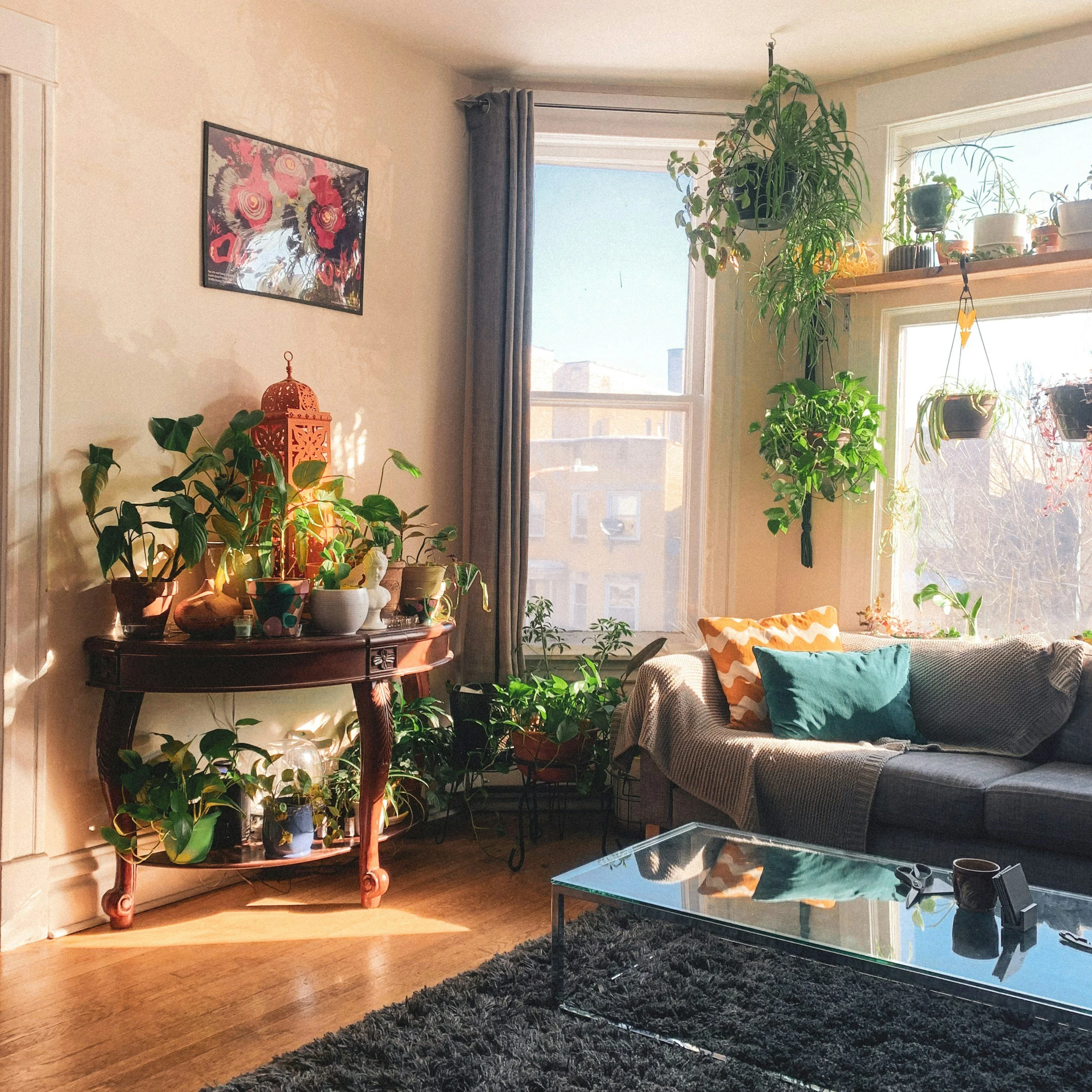
One woman I worked with shared that she longed for a deeper prayer life but struggled to create consistent time with God.
Her mornings were busy, and her evenings were often filled with family responsibilities. She kept her Bible nearby, yet she rarely felt like she had a peaceful place to sit and read it.
When we walked through her home together, we noticed a small unused corner of her bedroom near a window.
The space was quiet and naturally filled with soft light during the morning hours.
Instead of leaving it empty, we decided to transform that corner into a prayer space.
We placed a comfortable swivel chair so that she could face the window. A small side table held her Bible, prayer book, and devotional. A small white flokoti rug, they are soft and fluffy. A simple piece of framed Scripture hung above the chair.
The space remained simple and uncluttered.
Weeks later, she told me something beautiful.
She said that when she sat in that chair each morning, her heart immediately became quiet. The space itself seemed to invite reflection and prayer.
That small corner had become her meeting place with God. Her place of peace.
The transformation did not require a renovation or a large budget. It required only intention and surrounding herself, minimally, with things she loved.

5 Ways to Create a Prayer Space In Your Home
Designing a prayer space begins with choosing a location that feels naturally peaceful. The goal is not to find the largest space in the home, but rather a place that feels calm and slightly removed from daily distractions.
This may be a corner of a bedroom, a reading nook, a quiet chair near a window, or even a walk-in closet that can be transformed into a small prayer retreat.
1| Choose a Quiet Location
Your environment affects your ability to focus. A peaceful location helps reduce distractions and encourages reflection.
Look for small areas such as a bedroom corner, a reading nook, a walk-in closet, a window seat, or a chair near a window.
Your prayer space does not need to be large — it simply needs to feel calm and intentional.
2| Create a Comfortable Seating Area
Physical comfort helps your mind settle into prayer and reflection.
A supportive chair, floor cushion, or small bench can work beautifully. Add a soft pillow or throw to make the space inviting.
Comfort encourages consistency.
3| Add Gentle Lighting
Lighting shapes the emotional atmosphere.
Use a table lamp or soft, warm light rather than bright overhead lighting. This creates a peaceful environment that invites quiet reflection.
4| Include Meaningful Scripture
God’s Word centers your thoughts and anchors your prayer life.
Display a small piece of Scripture art, keep your Bible nearby, or include a journal for writing prayers and reflections.
5| Keep the Space Simple
Too many decorative elements can distract from the purpose of the space.
Choose only a few meaningful items so the focus remains on prayer, stillness, and connection with God.
When these elements work together, the space begins to support the habit of prayer naturally.
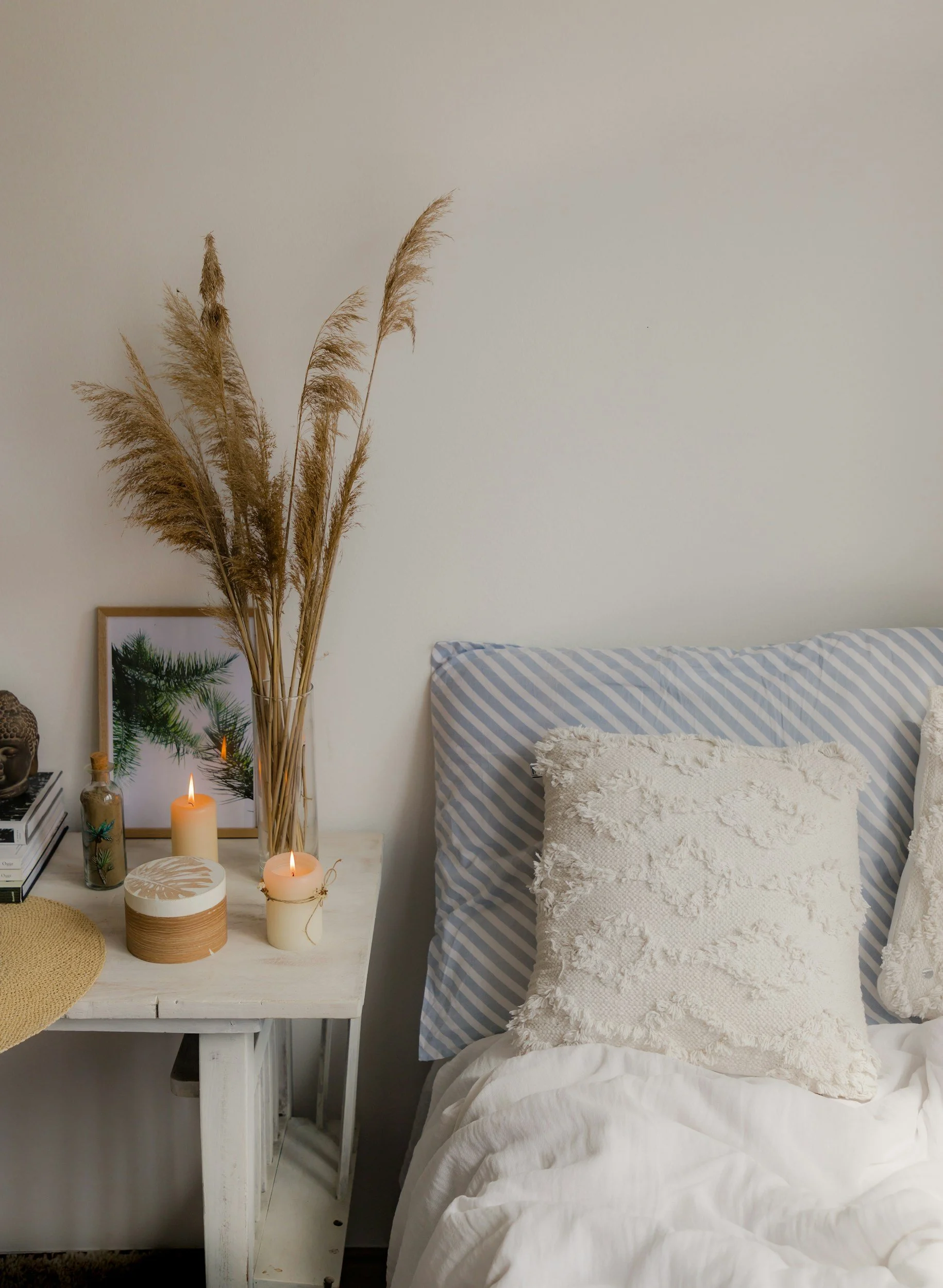
God often meets His people in quiet places.
Throughout Scripture, moments of spiritual clarity frequently occur when distractions fade and hearts become still.
Jesus encouraged His followers to seek private moments with the Father.
Designing a prayer space honors this principle. It creates a physical reminder that our homes are not only places for daily living, but also places where our spiritual lives can grow.
The purpose of the space is not decoration. It is devotion.
When a home includes a place for prayer, it becomes a house that supports both physical life and spiritual life.
CONCLUSION
A peaceful prayer space does not require an extra room or elaborate design. In most homes, it begins with a simple corner, a comfortable chair, and the quiet intention to meet with God regularly.
When a small area of the home is dedicated to prayer, the environment itself begins to support the habit. The heart becomes quieter more quickly. Distractions fade more easily. Reflection and gratitude grow naturally.
Over time, this simple design decision can influence the rhythm of daily life in meaningful ways.
A prayer space reminds us that our homes are not only places where we live — they are places where we meet with God.
FAQ
Do I need a separate room for a prayer space?
No. Many prayer spaces are created in small corners of bedrooms, reading nooks, or quiet seating areas.
What should be included in a prayer space?
A comfortable seat, soft lighting, your Bible, and a few meaningful spiritual items are usually enough.
Why does the environment matter for prayer?
A calm environment reduces distractions and helps your mind focus on reflection and connection with God.
Can a prayer space help build a daily spiritual habit?
Yes. A designated space often helps create consistency and makes prayer feel more natural and inviting.
Resource
Take the Interior Design Personality Quiz to discover how to create a home that reflects both your personality and your faith 👉 shereedouglasbrock.com (scroll down to take the quiz)
Get professional guidance refining a specific room, explore the Beautiful Home Makeover Experience
Want to design peaceful, beautiful rooms in your home? Book a 1:1 Interior Design Consult