

Should I Use ChatGPT or Claude for Interior Design?

A question that is becoming more common as artificial intelligence grows in popularity is this: Should I use ChatGPT or Claude for interior design?
It is a thoughtful question, and it makes sense that homeowners are curious.
Today, people use AI for everything from writing emails to planning meals, organizing schedules, and brainstorming ideas. Naturally, many are beginning to ask whether the same tools can help them decorate a room, choose furniture, or design a home.
The answer is yes and no.
AI can absolutely help with ideas.
It can help someone begin thinking through possibilities.
It can offer inspiration, generate lists, and organize thoughts.
But when it comes to creating a home that is beautiful, functional, peaceful, and truly successful in real life, AI has important limitations.
The reason is simple.
Interior design is not only about information.
It is about people, space, light, architecture, materials, flow, feeling, and lived experience.
That is why professional design continues to be so valuable.
A beautiful home begins with wisdom first.
“Through wisdom a house is built, and by understanding it is established; by knowledge the rooms are filled with all precious and pleasant riches.”

Many homeowners today feel overwhelmed by decorating decisions.
There is more inspiration available than ever before. Social media is full of beautifully styled homes. Design apps promise instant visual results. AI platforms can now generate room suggestions in seconds.
At first, this sounds wonderful.
And sometimes it is helpful.
But many homeowners discover something frustrating very quickly. A suggestion that sounds good digitally does not always work in the real world. A room might look polished on a screen but still feel wrong in person. Furniture might seem to fit in a generated image and then feel oversized, crowded, or disconnected once brought into the actual space.
This creates unnecessary confusion.
A homeowner may begin to wonder whether she is simply indecisive or not naturally gifted at design. She may feel pressure to keep researching, keep buying, or keep trying different things in hopes that the room will finally feel right.
But the issue is rarely a lack of creativity.
The real issue is that design decisions are being made without the kind of physical, emotional, and practical understanding that a real home requires.
Technology can suggest.
A designer interprets.
That difference matters more than many people realize.
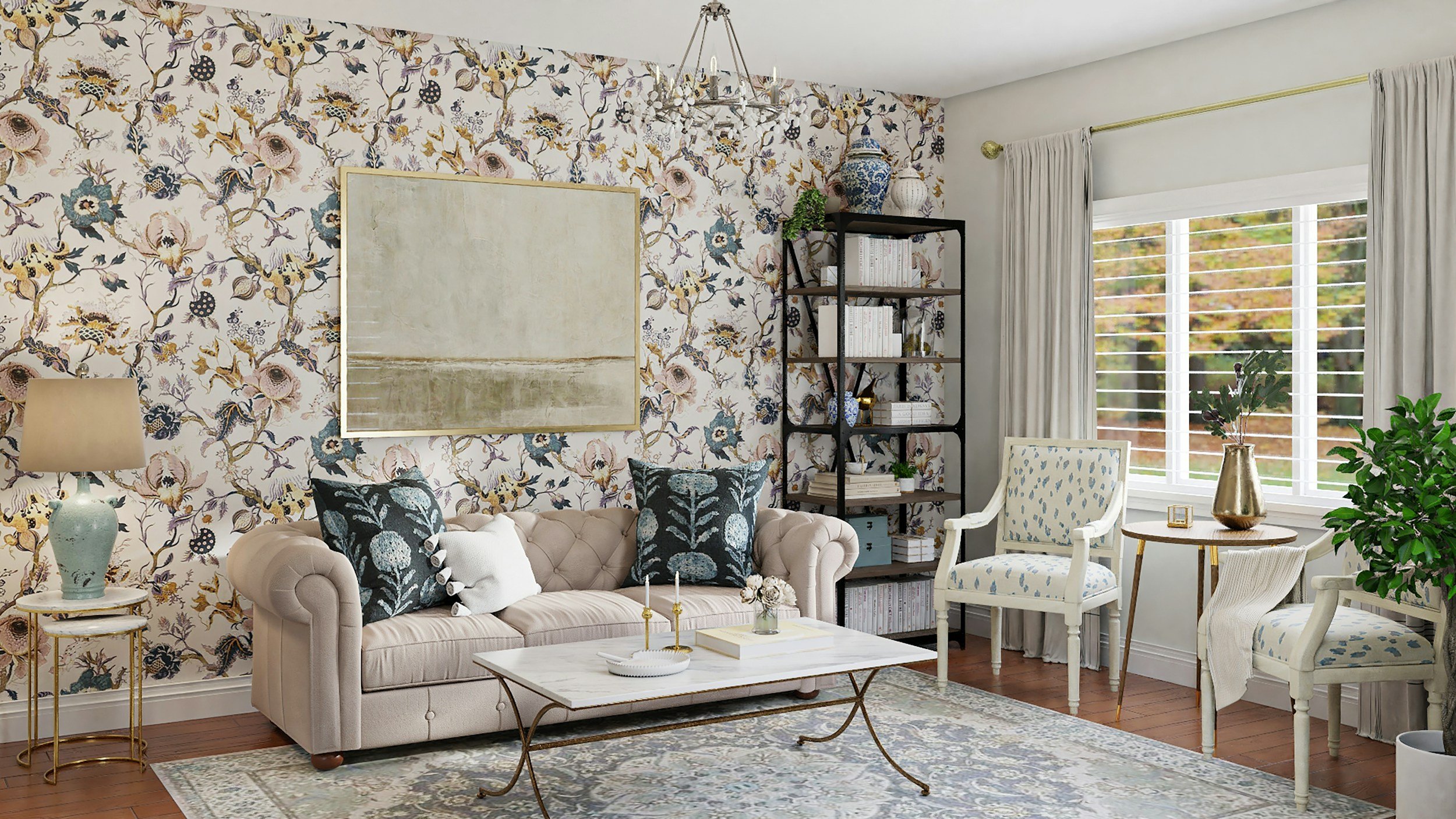
Over the years, I have seen many homeowners come to me after trying to solve a room with ideas alone.
Sometimes the ideas came from magazines.
Sometimes they came from Pinterest.
And today, more and more, they come from digital tools and AI-generated suggestions.
I remember one homeowner who had gathered several beautifully styled room ideas and was convinced she needed new furniture across the board. She felt the room was failing because it did not look like the images she admired.
But once I walked into the home, the issue became very clear.
The room did not need a complete replacement.
It needed refinement.
Her main sofa was actually quite good.
Two accent chairs were crowding the traffic path.
The rug was too small.
The lamps were not scaled correctly.
And the room lacked a clear focal point.
Once we adjusted the layout, removed a few unnecessary items, improved scale relationships, and made a few strategic changes, the room felt entirely different.
It felt lighter.
Calmer.
More intentional.
The problem had not been that she lacked enough ideas.
The problem was that the room needed real-life design judgment.
That is something I have seen again and again.
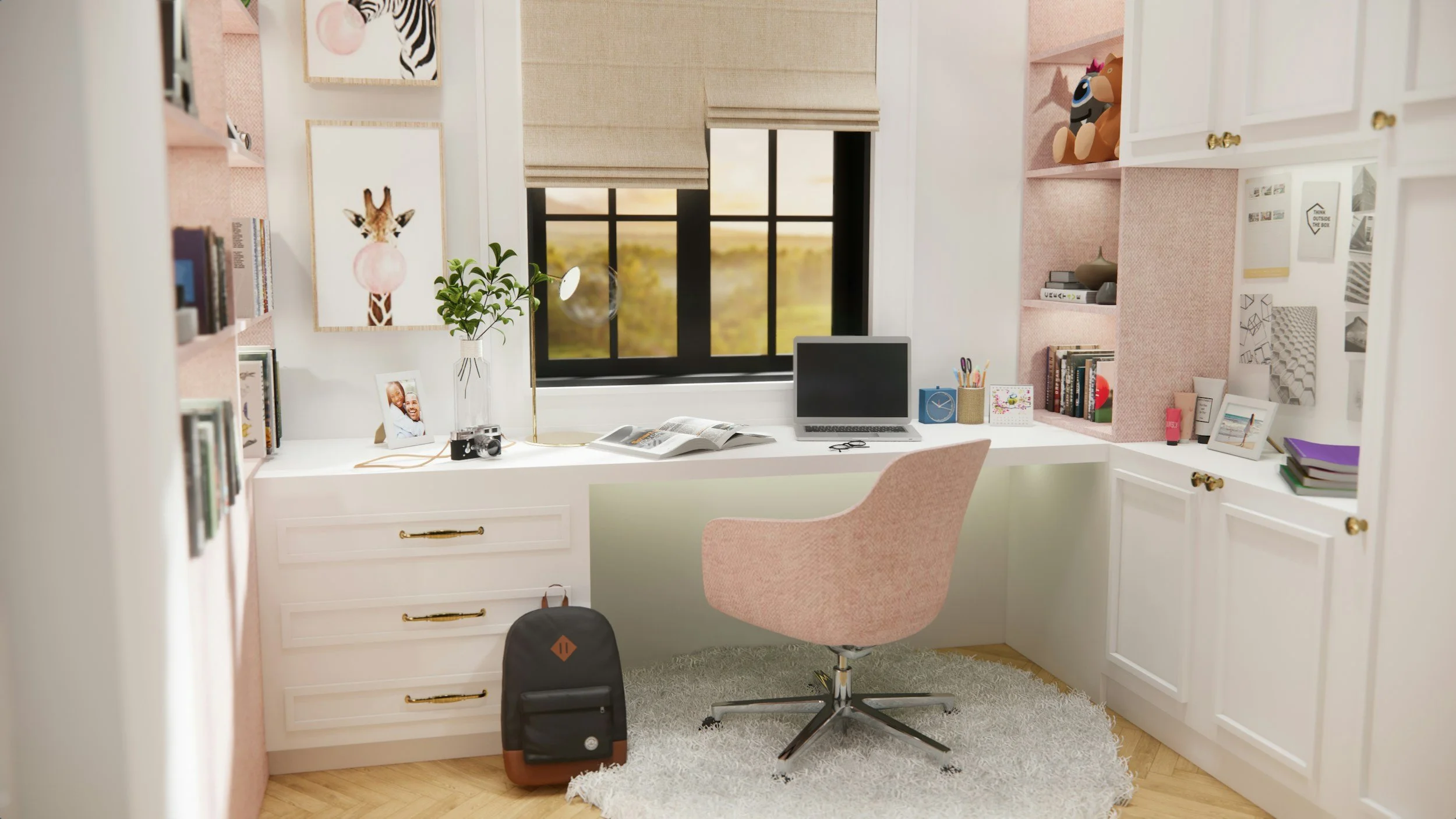
One of the biggest reasons AI struggles with interior design is that it cannot truly see the room the way a designer can.
A designer walks into a space and begins noticing things immediately. We observe how the light enters the room. We notice whether the ceiling height makes the room feel expansive or compressed. We pay attention to where the eye goes first, how people move through the room, and where the visual weight is collecting. These things are difficult to measure through a prompt alone.
Construction and architecture also shape every good design decision. A room is never just an empty box waiting to be filled. There are door swings, windows, electrical locations, ceiling beams, vents, and code-related realities that influence what can and cannot work. AI may suggest a beautiful solution that is physically impossible, awkward, or impractical once real conditions are considered.
Another major limitation is lifestyle understanding. Good design is personal. A room should reflect how someone truly lives. Some families entertain often. Some need flexibility for grandchildren. Some have pets. Some work from home. Some are preparing the house for resale and need decisions that protect value. A professional designer listens for those details and builds the design around them. AI can only respond to what it is told, and most homeowners do not always know which details matter most to include.
Trend-chasing is another issue. AI often pulls from what is popular online, and what is popular is not always what is wise. Trends can be fun, but timeless homes are not created by chasing what is currently circulating. They are created through proportion, balance, cohesive color relationships, meaningful pieces, and a strong sense of order. Without those principles, a room may look fashionable for a short season and then quickly feel dated or unsettled.
Materials and sourcing are also areas where professional experience matters tremendously. A chair may look beautiful in a photo and still be uncomfortable, poorly constructed, or completely wrong for the client’s needs. A fabric may look elegant online and wear terribly in daily life. A finish may clash with existing materials in the home once it is seen in person. Designers rely on experience, vendor knowledge, and material awareness to make smarter recommendations.
Then there is the issue of editing.
This is one of the great hidden values of a designer.
Many rooms do not need more things.
They need less competition.
They need better spacing.
They need a stronger hierarchy.
They need a sense of breathing room.
AI often generates additional suggestions. Designers often solve the room by simplifying it. We know how to remove visual noise so that what remains feels stronger and more beautiful.
Finally, interior design is emotional.
That part is easy to overlook, but it matters deeply.
People want their homes to feel peaceful, welcoming, and reflective of who they are. They want to feel settled when they walk in the door. They want their homes to support rest, family life, hospitality, and personal identity. A designer hears what is said and what is not said. We often sense when a client is overwhelmed, hesitant, or frustrated. We help bring calm not only to the room, but to the process itself.
Human discernment is one of the biggest reasons professional design cannot be replaced by technology.
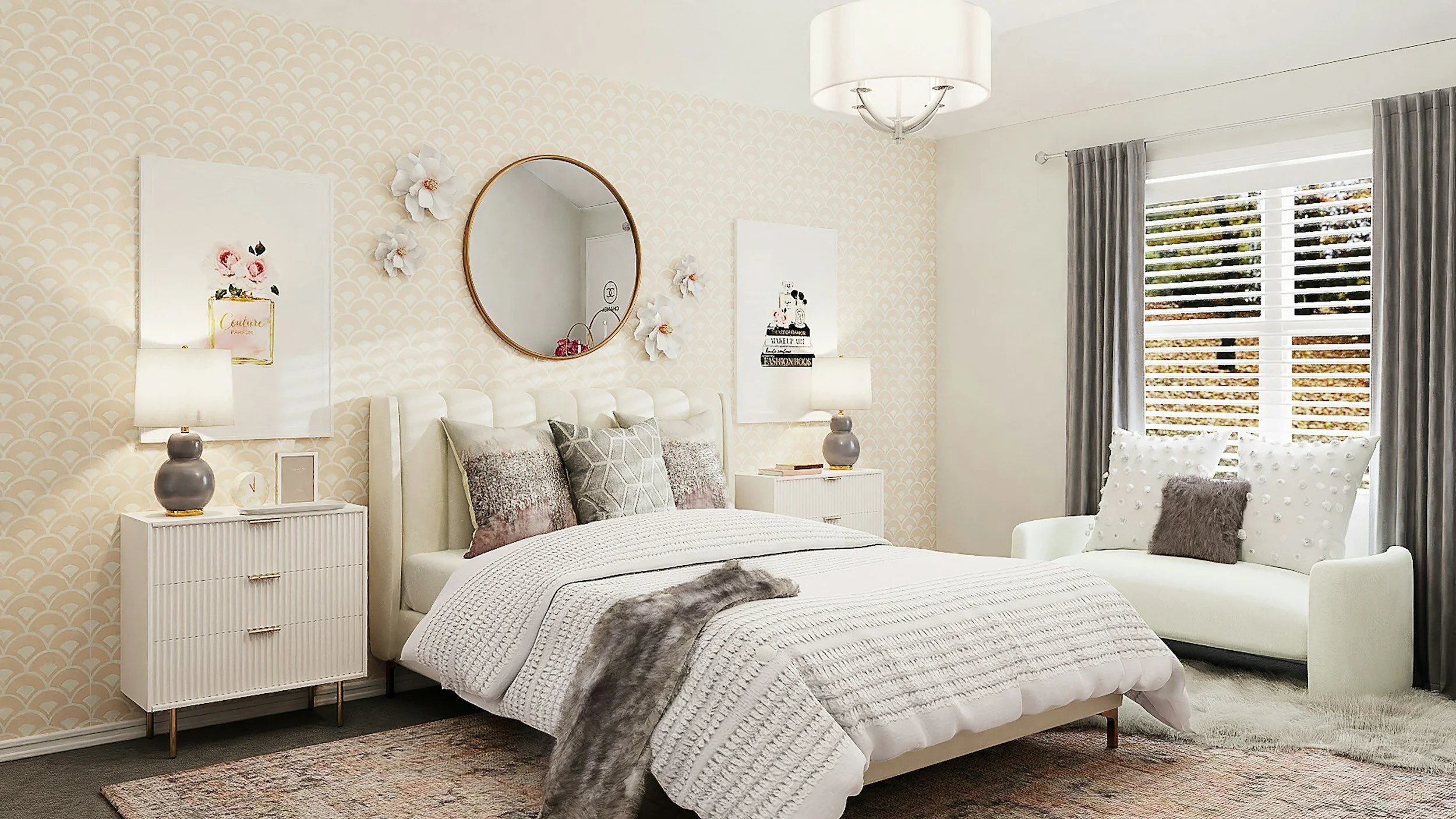
Interior design is practical, but it also reflects something deeper.
Throughout Scripture, we see that wisdom, order, and stewardship matter. Homes are not only places where furniture sits. They are places where people rest, gather, pray, heal, celebrate, and build memories.
That is why good design matters.
It supports peace.
It supports function.
It supports daily life.
Proverbs 24:3–4 says, “Through wisdom a house is built, and by understanding it is established; by knowledge the rooms are filled with all precious and pleasant riches.”
The order of that verse is beautiful.
Wisdom first.
Understanding second.
Then the treasures.
That same sequence applies to interior design.
The most beautiful homes are not created by random accumulation or endless ideas. They are created by thoughtful, wise decisions made in the right order.
CONCLUSION
So, should you use ChatGPT or Claude for interior design?
You can certainly use them for ideas.
They may help you think through options, organize your thoughts, or begin exploring possibilities for a room.
But they are not a replacement for professional design judgment.
They cannot walk into your home.
They cannot fully understand your architecture, your lifestyle, your existing pieces, your daily rhythms, or the emotional atmosphere you are trying to create.
A successful home requires more than suggestions.
It requires wisdom.
It requires discernment.
It requires the ability to see what should stay, what should go, what should shift, and what truly serves the people living there.
That is where great design begins.
FAQ
Should I use ChatGPT or Claude for decorating ideas?
Yes, both can be helpful for brainstorming ideas, organizing thoughts, and giving you a starting point.
Can AI replace an interior designer?
No. AI cannot physically evaluate your room, understand real-life construction details, or interpret your lifestyle the way a professional designer can.
What is the biggest limitation of AI in interior design?
It cannot truly experience the room in person, which means it misses important details related to light, scale, traffic flow, architecture, and emotional feel.
Can AI help me choose a design style?
It can suggest styles and explain them, but applying a style successfully in your actual home still requires judgment and refinement.
Why do AI room ideas sometimes look good online but fail in real life?
Because generated suggestions often ignore spatial realities, material quality, lifestyle needs, and the architectural conditions of the home.
What is the best use of AI in interior design?
The best use is as a brainstorming tool, not as the final authority. It can support the process, but it should not replace wise, experienced design guidance.
Resource
Take the Interior Design Personality Quiz and discover your style 👉 shereedouglasbrock.com (scroll down to take the quiz)
Ready for one room to finally feel balanced, peaceful, and elevated? Reach out for details about the Beautiful Home Makeover
Get personalized guidance to help you gain clarity and confidence about the home you are creating! Book now 👉 1:1 Interior Design Consult