

Sofa Construction Secrets Every Savvy Furniture Buyer Should Know

One of the most common frustrations homeowners experience is investing in furniture that looks right but does not feel right. A sofa may appear perfect in a showroom or online, only to feel uncomfortable, unsupported, or worn within a short period of time. This creates a quiet but persistent dissatisfaction within the home.
The challenge is that most people are never taught how to evaluate furniture beyond its appearance. They focus on color, shape, and price, assuming these are the most important factors. While these elements do matter, they do not determine how a sofa performs over time. Without understanding what is happening beneath the surface, it becomes easy to make decisions that lead to disappointment.
This lack of clarity often results in repeated purchases, wasted money, and a lingering sense that something in the home is “off.” The room may look beautiful, but it does not feel as comfortable, inviting, or supportive as it should. Over time, this disconnect can affect not only the function of the space but also the peace and confidence a homeowner feels within it.
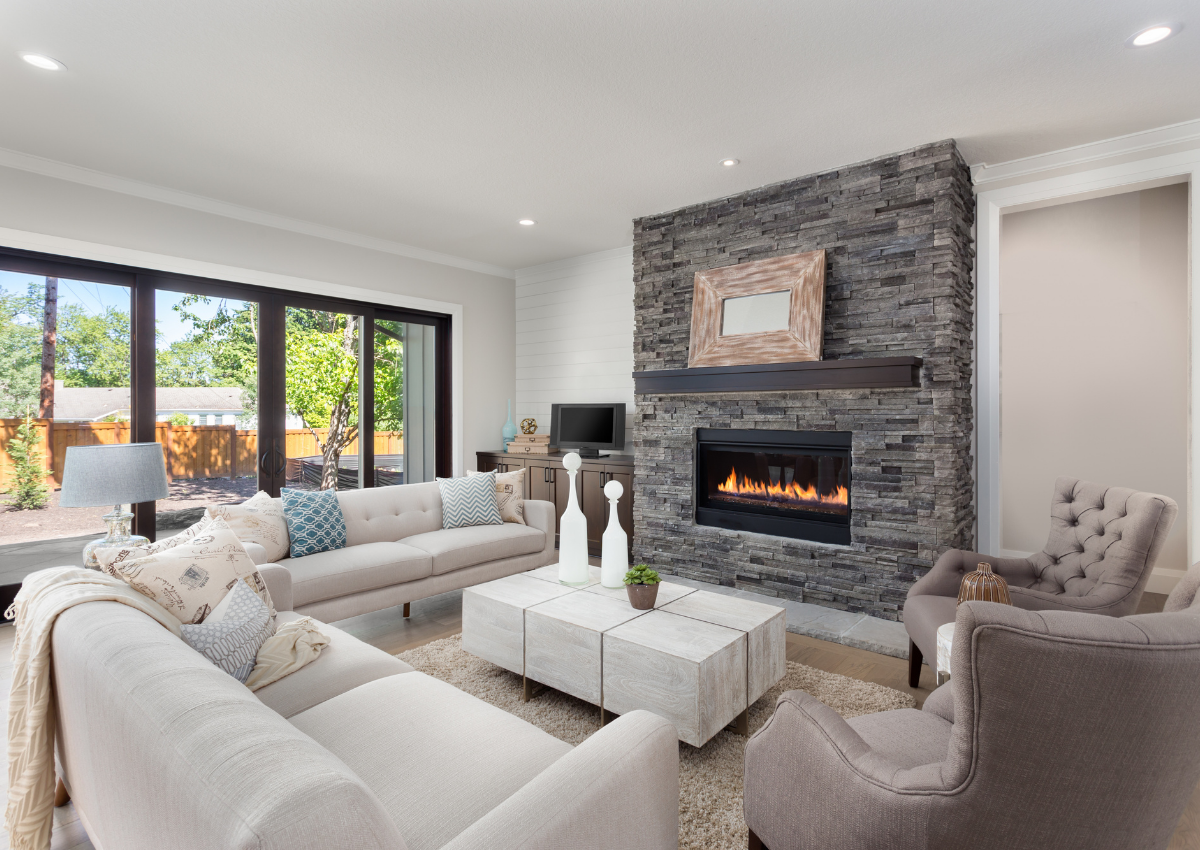
I once worked with a client who had thoughtfully designed her living room. The colors were cohesive, the layout was balanced, and the sofa she selected was visually stunning. It fit the space perfectly and aligned with the aesthetic she had envisioned.
However, when she sat down, something immediately felt uncomfortable. She adjusted her position, then adjusted again, trying to find a way to relax. After a few moments, she looked at me and admitted that she didn’t enjoy sitting in her own living room.
What made this situation so striking was that nothing appeared to be wrong. The sofa was beautiful, well-styled, and newly purchased. Yet it failed in the one way that mattered most—it did not support her.
Once we explored the construction of the piece, the issue became clear. The internal support system was minimal, and the cushioning lacked the structure needed for long-term comfort. The solution was not simply replacing the sofa, but understanding what had been missing from the beginning.
When she eventually selected a piece built with proper support and thoughtful construction, the entire experience of the room changed. She no longer adjusted or avoided sitting there. Instead, she relaxed, hosted, and fully enjoyed the space she had created.

The key to choosing the right sofa lies in understanding that appearance and construction are not the same thing. Two sofas can look nearly identical while offering completely different experiences over time. The difference comes from what is happening inside.
A well-constructed sofa begins with a strong frame, typically made from kiln-dried hardwood. This provides stability and ensures the piece maintains its shape over the years. Without a solid frame, even the most beautiful sofa will eventually weaken and lose its structure.
The suspension system is equally important. This is what supports your weight when you sit down and determines whether the sofa feels firm, balanced, or unstable. Higher-quality systems distribute weight evenly and maintain their integrity over time, while lower-quality systems can sag or stretch, leading to discomfort.
Cushioning plays a final but critical role. While softness is often associated with comfort, true comfort comes from the balance between softness and support. Cushions that are too soft may feel inviting at first, but can quickly lose their shape. Cushions that are properly constructed provide both comfort and resilience.
When these three elements—frame, suspension, and cushioning—work together, the result is a sofa that not only looks beautiful but also performs beautifully. It supports daily life, maintains its structure, and contributes to a sense of ease within the home.
Understanding these principles allows you to make decisions with confidence. Instead of relying solely on appearance, you begin to evaluate furniture based on how it will function and feel over time. This shift reduces uncertainty and leads to more satisfying, long-term outcomes.
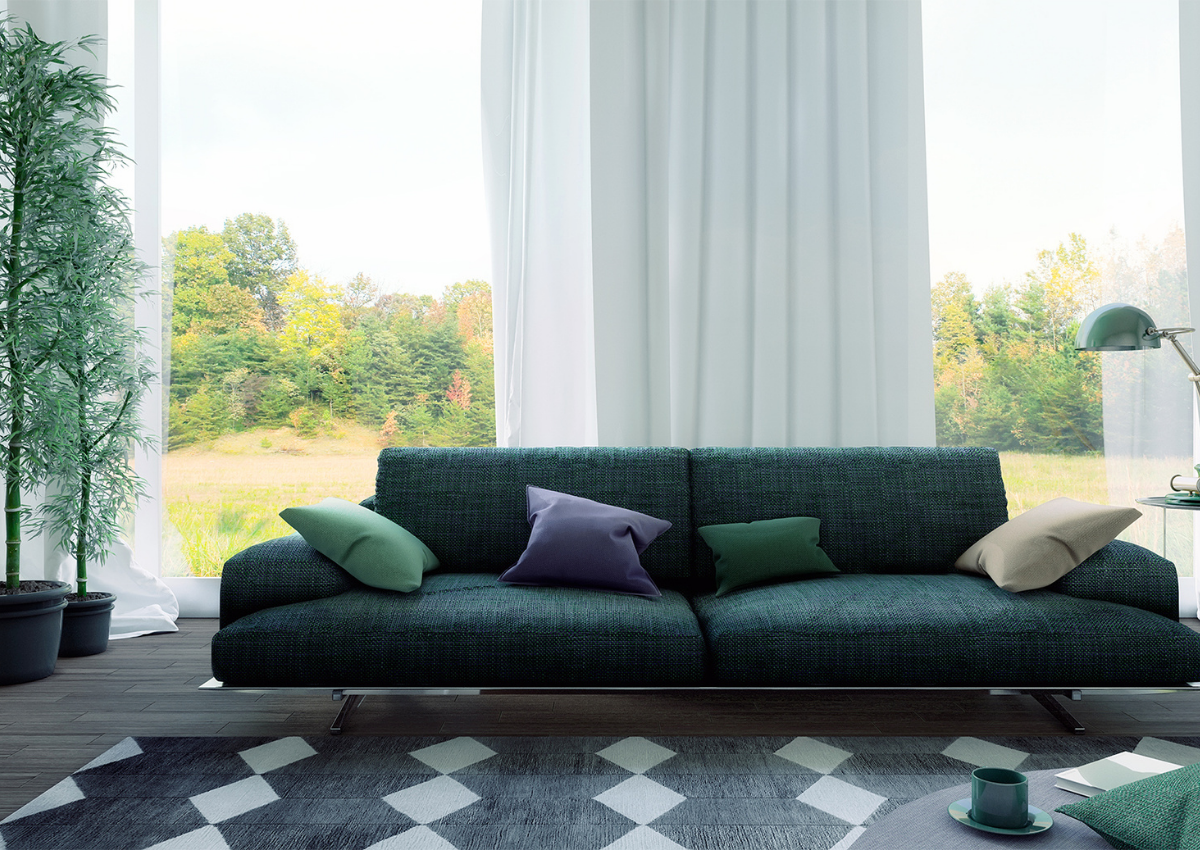
“He is like a man building a house, who dug deep and laid the foundation on the rock. And when the flood arose, the stream beat vehemently against that house, and could not shake it, for it was founded on the rock.”
There’s such a quiet truth in that…build it solidly, and it will last. Build it on the sand, and guess what, no surprise, it will not last.
It’s not what’s visible that determines strength.
It’s the foundation that something is built on that is the most important.
And your sofa works the same way.
CONCLUSION
A well-designed home is not defined by how it looks on the surface, but by how it supports you every day. When your furniture is thoughtfully chosen, it contributes to a sense of comfort, stability, and peace that extends throughout the entire space.
By understanding what is inside your sofa, you gain the ability to make more confident and intentional decisions. You avoid unnecessary replacements, reduce frustration, and create a home that truly works for you.
This is not about perfection or luxury for its own sake. It is about alignment—choosing pieces that reflect your needs, support your lifestyle, and bring lasting value to your home.
When you approach design with clarity and understanding, your home begins to feel different. It becomes a place where you can relax, gather, and live fully, without the quiet distractions of discomfort or uncertainty.
FAQ
What makes a sofa high-quality?
A high-quality sofa is built with a solid hardwood frame, a durable suspension system, and well-constructed cushions that provide both comfort and long-term support.
Why does my sofa feel uncomfortable after a short time?
Discomfort often results from weak internal construction, such as low-quality suspension or foam that breaks down quickly, even if the sofa initially looked and felt good.
How long should a good sofa last?
A well-constructed sofa can last 10–20 years or more, depending on materials and usage, while lower-quality pieces may only last a few years.
Is a more expensive sofa always better?
Not necessarily. Price does not always reflect construction quality. Understanding what is inside the sofa is the most reliable way to determine its true value.
Resource
Take the Interior Design Personality Quiz to help you define your style and bring clarity to your design direction at shereedouglasbrock.com (scroll down to take the quiz)
Book a Beautiful Home Makeover Experience and transform your space in just a few hours—often using what you already own.