

Sabbath Rest Spaces — How to Design a Peaceful, Faith-Filled Home
While many homes are thoughtfully arranged for function and beauty, very few are intentionally designed to support rest. Yet rest is essential, not only physically but spiritually.
Creating a quiet, intentional space allows your home to become more than a place you live. It becomes a place where you are renewed.
Modern life is filled with noise.
Schedules, responsibilities, and constant stimulation often follow us into our homes. Even when we are physically present, it can be difficult to feel truly at rest.
Part of the challenge is environmental.
Cluttered surfaces, bright lighting, and busy rooms create subtle tension. Even beautiful spaces can feel overwhelming when there is no visual or emotional pause.
Without a designated place for stillness, rest becomes something we intend to do—but rarely experience.
There are seasons in life when everything feels full.
Even home, which should feel like a refuge, can begin to feel like just another place to keep up.
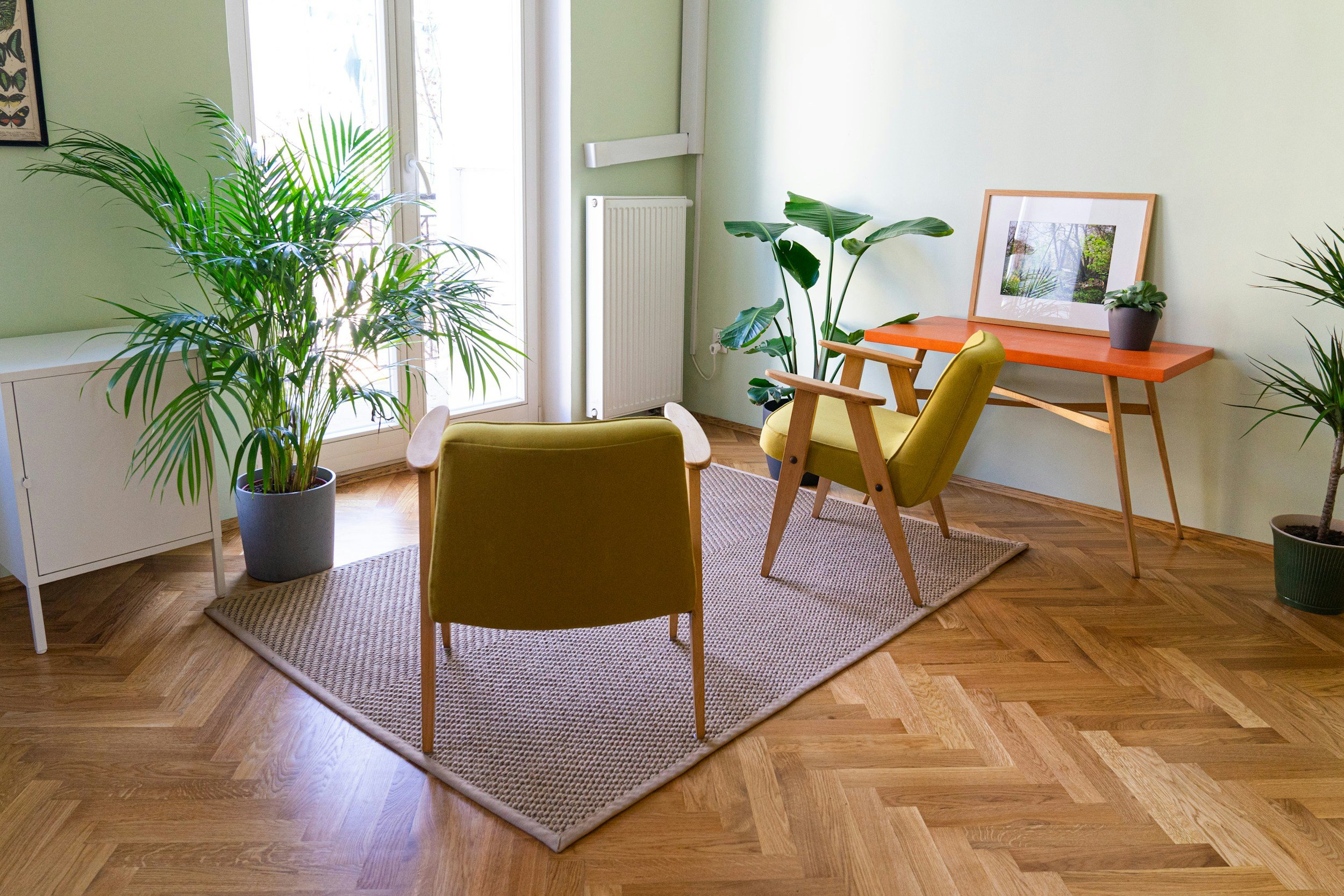
Creating a small, quiet corner can shift that experience.
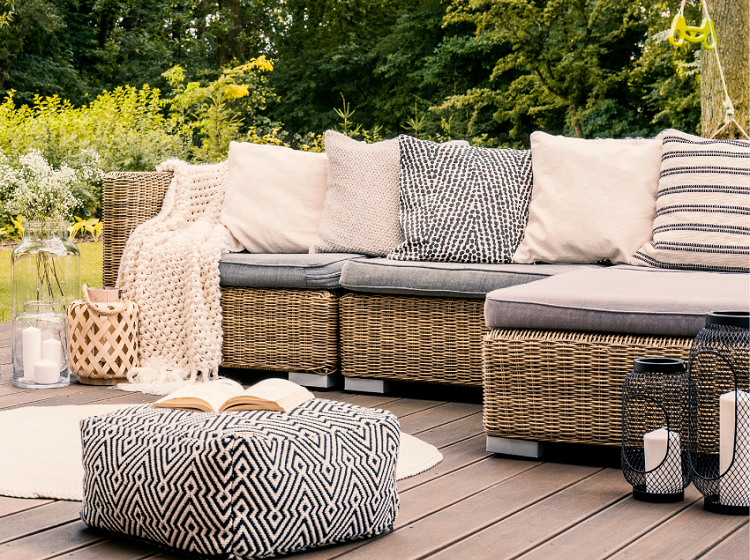
A comfortable chair, soft lighting, and a simple surface for meaningful items can become a place that invites you to slow down.
What begins as a physical change often becomes a rhythm—a daily moment of stillness that gradually brings peace back into the home.

How to Create a Peaceful Sabbath Space at Home
Creating a Sabbath rest space begins with simplicity.
A restful environment is not filled with many objects or distractions. Instead, it is thoughtfully edited to allow space for stillness. Clear surfaces, soft materials, and minimal visual clutter help the mind settle and create an atmosphere that feels calm and inviting.
Comfort plays an essential role in making a space usable and welcoming. A chair that supports relaxation, a soft throw, and gentle textures all contribute to a sense of ease. When a space feels physically comfortable, it becomes much easier to return to it regularly.
Lighting is equally important. Harsh, bright lighting can feel energizing, while soft, warm light signals the body to slow down. Lamps, rather than overhead lighting, create a more peaceful and intimate environment that supports rest and reflection.
Most importantly, intention transforms the space. Setting aside even a small area of your home for quiet time with God gives that space meaning. It becomes more than a corner—it becomes a place of connection, peace, and renewal.

“My Presence will go with you, and I will give you rest.”
The scripture above reminds us that rest is not something we must strive to create on our own. It is something God provides.
Designing a space for rest is a way of preparing our hearts to receive that gift.

CONCLUSION
A peaceful home does not happen by accident.
It is created through thoughtful, intentional choices.
When you design even a small space for stillness, your home begins to support a different rhythm—one that includes rest, reflection, and renewal.
You do not need more.
You need a place to pause.
And that place can begin today.
FAQ
Do I need a separate room for a Sabbath space?
No. A small corner or quiet area is enough.
What should be included in a rest space?
Comfortable seating, soft lighting, and minimal distractions.
Why does design affect rest?
Your environment influences your mental and emotional state.
How can I start today?
Choose one quiet spot and simplify it.
Resource
Take the Interior Design Personality Quiz and begin creating a home that supports your life and your faith at shereedouglasbrock.com (scroll down to take the quiz)
Book a Beautiful Home Makeover Experience and transform your space in just a few hours—often using what you already own.