

Remodeling for the Way You Actually Live — Not Just for Resale Value
There's a quiet pressure that creeps into almost every remodel: the sense that every choice needs to be defensible to someone else—a future buyer, an appraiser, or a stranger touring your home someday who may never actually exist.
“Stop imitating the ideals and opinions of the culture around you, but be inwardly transformed by the Holy Spirit through a total reformation of how you think. This will empower you to discern God’s will as you live a beautiful life, satisfying and perfect in his eyes.”
That verse wasn't written about kitchens or closets, and yet it names exactly what so many remodels are missing: the willingness to stop imitating what everyone else is choosing and start discerning what's actually good for the life you're living.

Stop Designing for a Hypothetical Buyer
Somewhere along the way, remodeling became tangled up with resale value, as though every decision needed to be filtered through the question, What will a future buyer want?
That mindset shows up in small, quiet ways.
It talks a woman out of the mudroom bench her family genuinely needs because it might feel too personal to a stranger. It steers her toward the safest, most neutral paint color in every room, even when she'd love a little more color and life. It shapes an entire kitchen layout around what a real estate agent might say photographs well rather than around how she and her family actually cook, gather, and move through their days.
A home optimized entirely around a hypothetical buyer is rarely a home anyone is fully living in—including the person who owns it.
And here's the truth: you don't owe your home to a buyer who may never exist.

Your Remodel Should Solve Your Real-Life Problems
The starting question for a remodel shouldn't be: What will look good when I sell?
It should be:
How do I want this room to work for me next Tuesday?
That question changes everything.
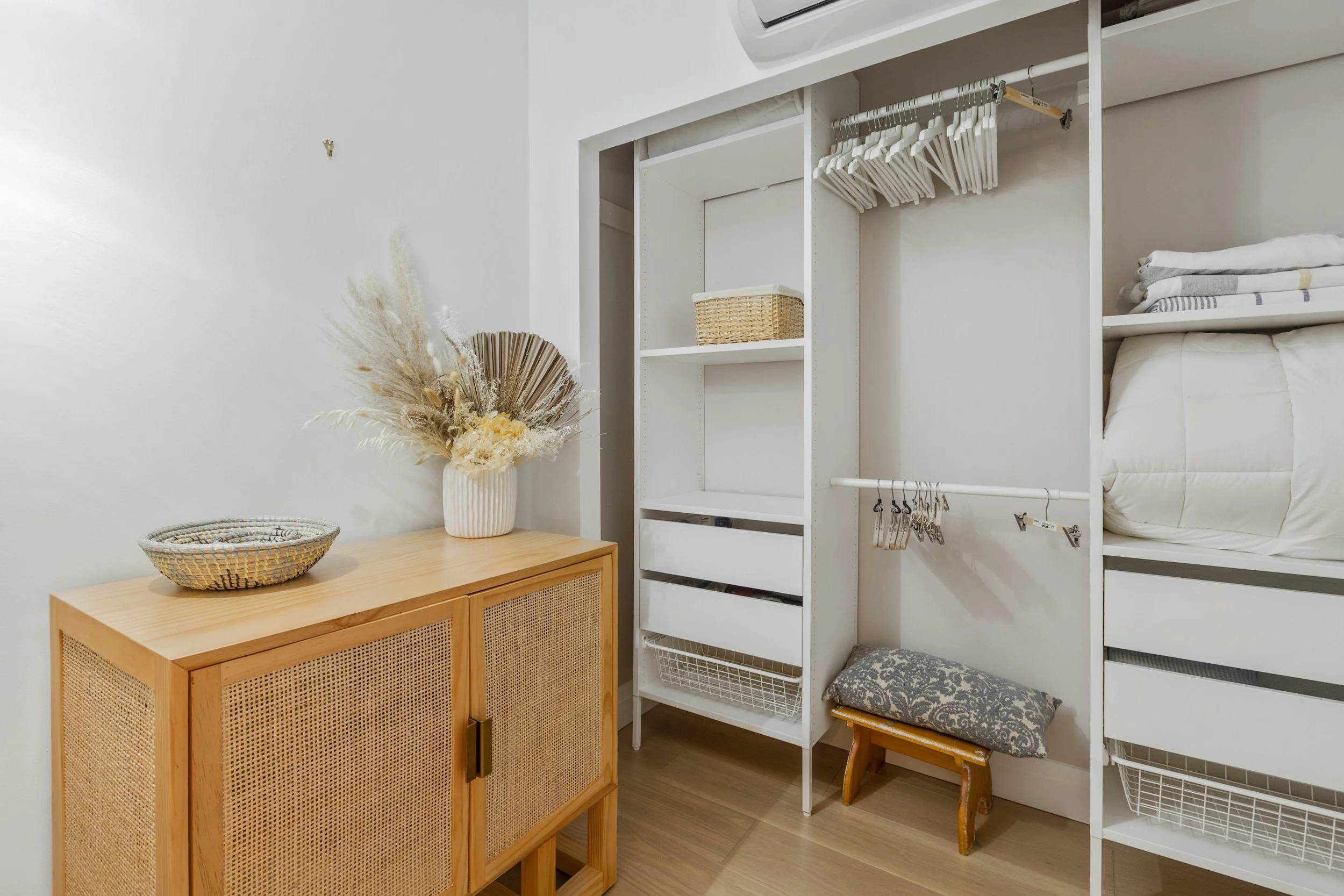
In a primary bathroom, it might mean choosing a generously sized walk-in shower because that's genuinely how your family showers instead of keeping a rarely used soaking tub simply because a future buyer might expect one.
In a kitchen, it might mean prioritizing a pantry large enough for how you actually stock and cook rather than adding another bank of upper cabinets that photographs well but sits mostly empty.
In a living room, it might mean choosing furniture scaled to how your family actually gathers and rests instead of creating a formal arrangement that no one ever really sits in.
None of these choices are reckless or self-indulgent.
They're simply true to how you live.
And that truthfulness is what makes a remodel feel like it belongs to you instead of to an imagined stranger.

Start With Your Friction Points, Not a Trend Checklist
The most meaningful remodels rarely begin with a Pinterest board of trending finishes.
They begin with the small, daily frustrations a family has quietly learned to live around.
Maybe it's the entryway with nowhere to put shoes and backpacks.
Maybe it's the beautiful kitchen island that happens to block the exact path everyone walks fifty times a day.
Maybe it's the primary closet that has never once worked for how you actually get dressed in the morning.
These problems can become so familiar that we stop noticing them.
We've adapted.
We've learned to walk around the island. We've piled the shoes by the door. We've squeezed into the closet and convinced ourselves it's fine.
But a thoughtful remodel gives you an opportunity to stop adapting to the problems and actually design them away.
Name your real frustrations before you choose your finishes.
That is what turns a remodel into something that genuinely changes your daily life instead of simply changing how your home photographs.
A Real Family, a Real Problem, and a Better Solution
I once worked with a client whose biggest frustration wasn't an outdated kitchen or an ugly bathroom.
It was the toys.
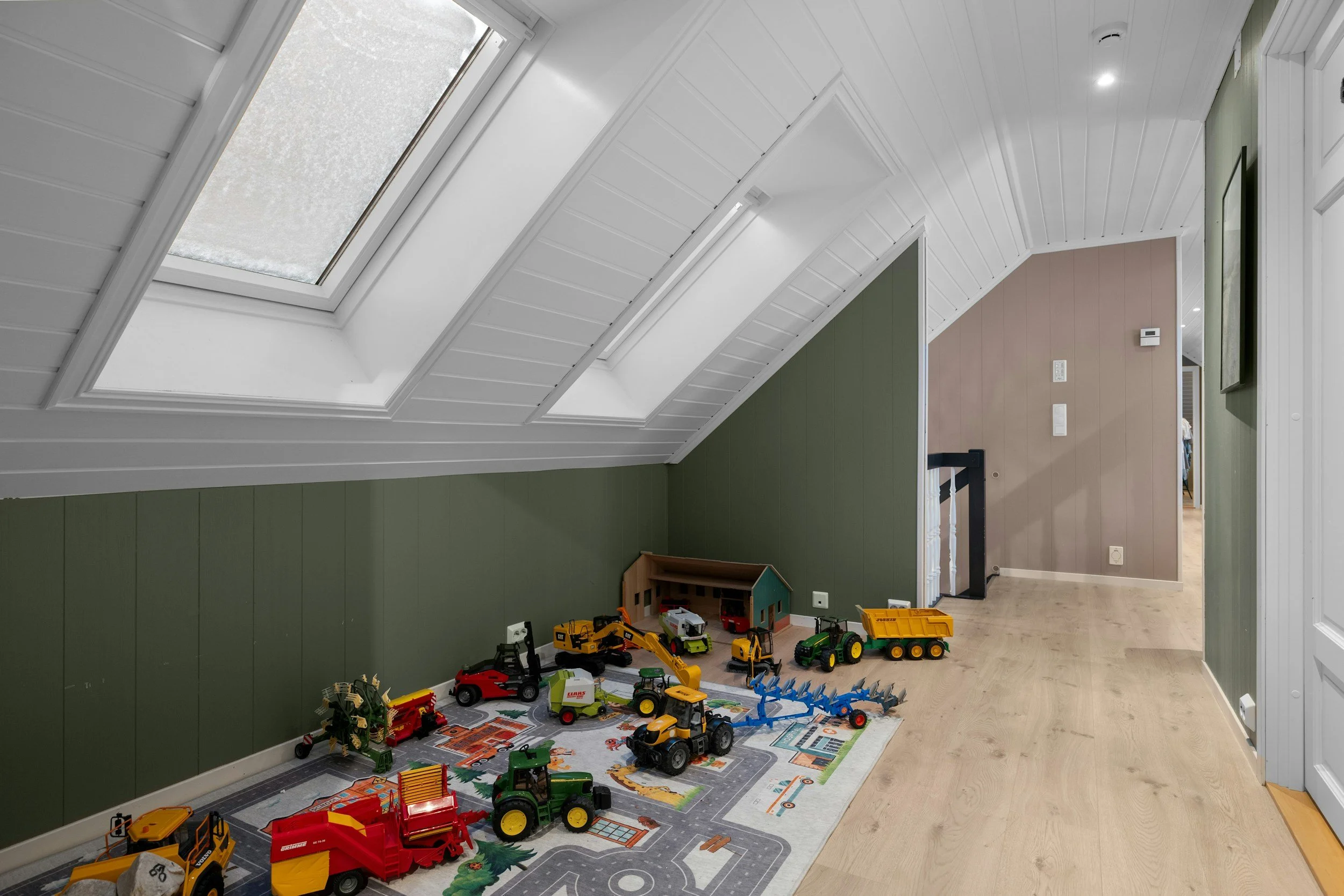
Her children were constantly playing in the main living room, and she was tired of feeling like she had to choose between having a beautiful space and having a home where her children could actually be children.
She wanted a kids' TV and playroom directly off the kitchen so the children could play freely while she worked in the kitchen and still enjoy being connected to them.
So she and her husband created a room addition that solved the actual problem.
The children had a dedicated place for their toys and television. They could play without constantly being told to clean up the main living room. She could work in the kitchen while still keeping an eye on them.
And she got her living room back as a place to enjoy with friends and family.
They were happy campers.
Could a future buyer love that addition?
Absolutely.
There will eventually be families who see the same value in having a dedicated children's space connected to the heart of the home.
But that wasn't why they built it.
They built it because it made their life better.
And that's the point.
Designing for Yourself Doesn't Mean Ignoring Resale Value
Here's the reassurance I want you to hear:
Designing for how you actually live and protecting your home's value are not enemies.
Thoughtful, well-executed design—rooted in genuine function, quality materials, and a cohesive plan—can age beautifully and hold its value far better than a home designed around whatever trend happened to be popular the year it was renovated.
Trends come and go.
Good design lasts.
A well-planned kitchen that functions beautifully, a primary suite with a thoughtful layout, quality materials, excellent craftsmanship, and custom details that genuinely improve the way a family lives—these things communicate quality and care.
And quality and care translate.
A buyer doesn't necessarily need to want exactly what you wanted.
They need to see that the home was thoughtfully designed, well maintained, and built with intention.
Value follows good design. It was never the other way around.

Don't Let Fear Shrink Your Design Choices
There's another layer to this pressure that's worth naming, especially for women.
It's the quiet fear of being judged for our choices.
Maybe you love a bold paint color.
Maybe you've always wanted a dramatic wallpaper.
Maybe your family would benefit from an unconventional layout.
Maybe there's a piece of furniture or a design feature you've loved for years that isn't universally accepted.
And yet, you hesitate.
What if someone doesn't like it?
What if a future buyer thinks it's strange?
What if this isn't the "right" design choice?
That fear can shrink every decision down to the safest possible option until the finished remodel feels technically correct but emotionally flat.
Your home doesn't have to please everyone.
It needs to support the people who actually live there.
Choosing something that genuinely fits your life—even when it isn't the most universally popular option—isn't necessarily a financial mistake.
It may simply be the decision that finally makes your home feel like you.

Ask Yourself: Where Does My Home Work Against Me?
If you're considering a remodel, here's a simple place to start.
Before choosing a paint color, countertop, tile, or light fixture, ask:
Where does my house currently work against me?
Not against a hypothetical buyer.
Against you.
Think about the actual rhythms of your week.
Where do you constantly trip over things?
Where does clutter collect?
Where do you wish you had more storage?
Where does the traffic flow feel awkward?
Where do you wish you could gather differently?
Maybe it's the lack of a landing spot for mail and keys.
Maybe it's the awkward walk from the garage to the kitchen while carrying groceries.
Maybe it's a laundry room that's too small to fold anything in.
Maybe it's a bedroom that never feels restful.
These friction points rarely make it onto a generic remodeling checklist because they're unique to your household.
And that's precisely why they matter.
A remodel that resolves those problems will feel different from the very first day you live in it.

You Don't Have to Future-Proof Every Decision
It's also important to release the pressure of getting every decision perfectly future-proofed.
No home, however carefully planned, will suit every possible future owner.
Trying to design for an unknown stranger's unknown preferences is an impossible standard.
What is possible is designing a home that serves your family exceptionally well for the years you're actually living there.
If you're staying for ten years or more, why not finally create the home you've always wanted?
Use the good dishes.
Hang the artwork you love.
Choose the color that makes you happy.
Create the room your family needs.
Don't leave your beautiful things sitting in boxes or cupboards forever because you're worried something might break.
Use your good stuff. Enjoy your home.
If you're moving soon, the equation may look different. You may not have the budget—or the reason—to completely customize everything. In that case, thoughtful, strategic improvements that make the home beautiful and appealing for resale can make sense.
The important thing is knowing where you are in your life and designing accordingly.

Design for Your Real Life
You don't owe your home to a buyer who may never exist.
The remodel that actually serves you—your habits, your family, your real Tuesday mornings—is also the remodel most likely to hold its value over time.
Because good design was never truly about chasing a trend.
It was about building a home around a real, well-lived life.
If you're standing at the beginning of a remodel and want it to genuinely fit the life you're living rather than a spreadsheet of resale features, that's exactly the kind of guidance the Beautiful Room Makeover Experience™ was built to offer.
It starts with a simple Discovery Call, where we can talk about your home, your ideas, and what you want your space to become.
You don't have to figure it all out alone.
Create the home that works for the life you're actually living.
FAQ
Won't designing purely for my own taste hurt my home's resale value?
Not usually. Thoughtful, well-executed design rooted in genuine function and quality tends to hold its value better than trend-driven choices made purely for a hypothetical buyer.
How do I know if a design choice is a trend or a timeless one?
Ask whether it solves a real problem in your daily life. Choices that genuinely improve how you live tend to age far better than choices made only because they're currently popular.
What if I don't know what my real friction points even are?
That's exactly where a trained designer helps. An outside eye often spots the daily friction a family has adapted around for so long they've stopped noticing it.
Is it too late to shift my remodel plan if I've already started designing around resale value?
It's not too late at all. Many remodels can be redirected mid-plan once the real priorities, your actual daily life, become the starting point instead of an afterthought.
Resource
Book a Get-Acquainted Call for The Beautiful Room Makeover Experience - a conversation about your home, your ideas, and what you're hoping to create.
Find Out More about The Beautiful Room Makeover Experience