

Your Home Is the First Story You Tell About Yourself — Let Yours Be a Great One

Before you say a single word to a guest, your home has already started talking. It tells them what you value, how you spend your time, and often, whether what matters most to your family is on display or tucked out of sight.
After thirty years of walking women through their homes, I've come to believe this: your home is the first story you tell about yourself, and it deserves to be a great one, not a performed one, a true one.
So many of us, at different seasons of life, have unintentionally let our homes tell a story we didn't quite mean to tell.
A formal living room staged for admiration while real life happens somewhere else in the house.
An entryway that greets guests with chaos instead of warmth.
A home that looks complete in photographs but leaves us quietly unsatisfied, because the story on the surface was never the true one underneath. Jesus speaks to this same tension in Matthew 6:20, teaching us not to build our lives around what fades or can be lost, but to invest instead in what lasts forever. Even the most beautifully designed room will fade eventually, but the story underneath it, the one about faith, family, and what you truly treasure, is the part worth building around.
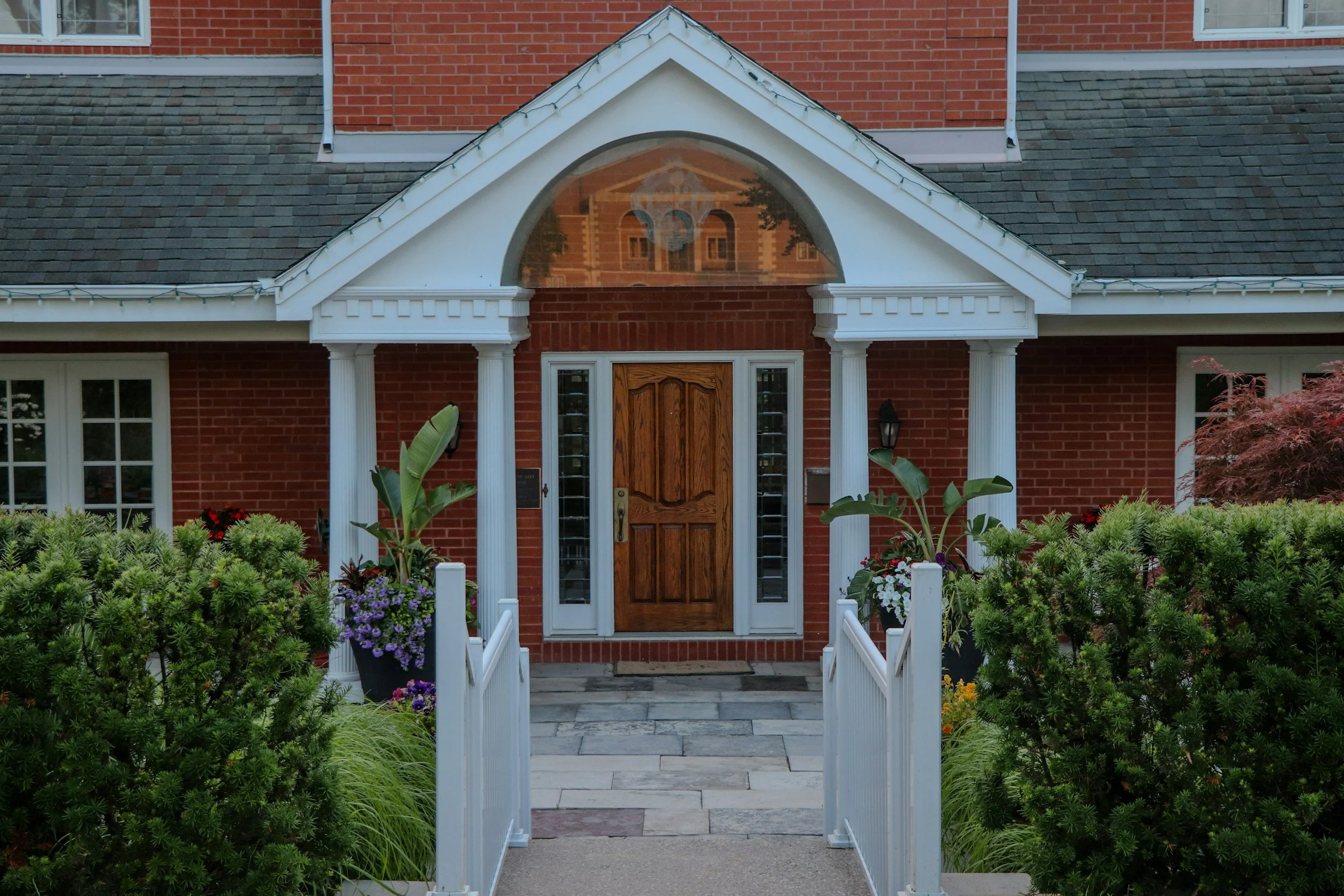
Know the Story Before You Decorate the Set
Every choice you make in your home- every color, every layout, every accessory- functions as a sentence in the larger story your home is telling.
Before choosing a single item, it helps to pause and get clear on the actual story you want told. Who genuinely lives in this home? What do you want a guest to feel five minutes after walking through your door?
Design choices made without this clarity tend to feel scattered, chasing trends instead of telling a coherent, true story.
Design choices made with this clarity, even simple ones, tend to feel deeply, unmistakably like you.
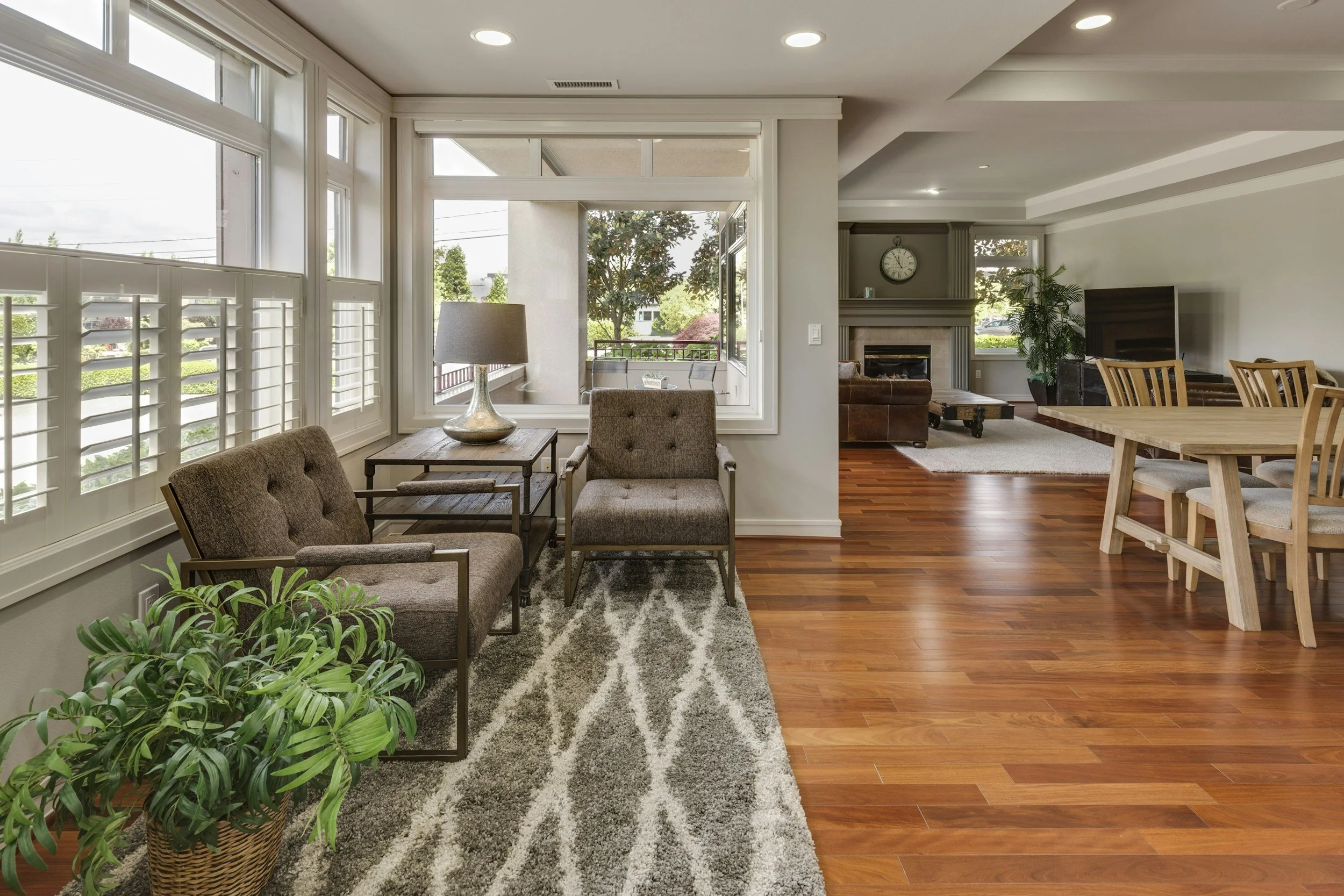
Let the First Room Say Something True
Your entryway functions as your home's opening line. It's the first sentence a guest reads, and like any good opening line, it sets the tone for everything that follows.
An entryway greeted with clutter or chaos tells a very different story than one that offers a warm, intentional welcome, even a simple one. This doesn't require an elaborate design. It requires honesty.
Whatever your entryway currently says about your family, make sure it's the sentence you actually want written first.
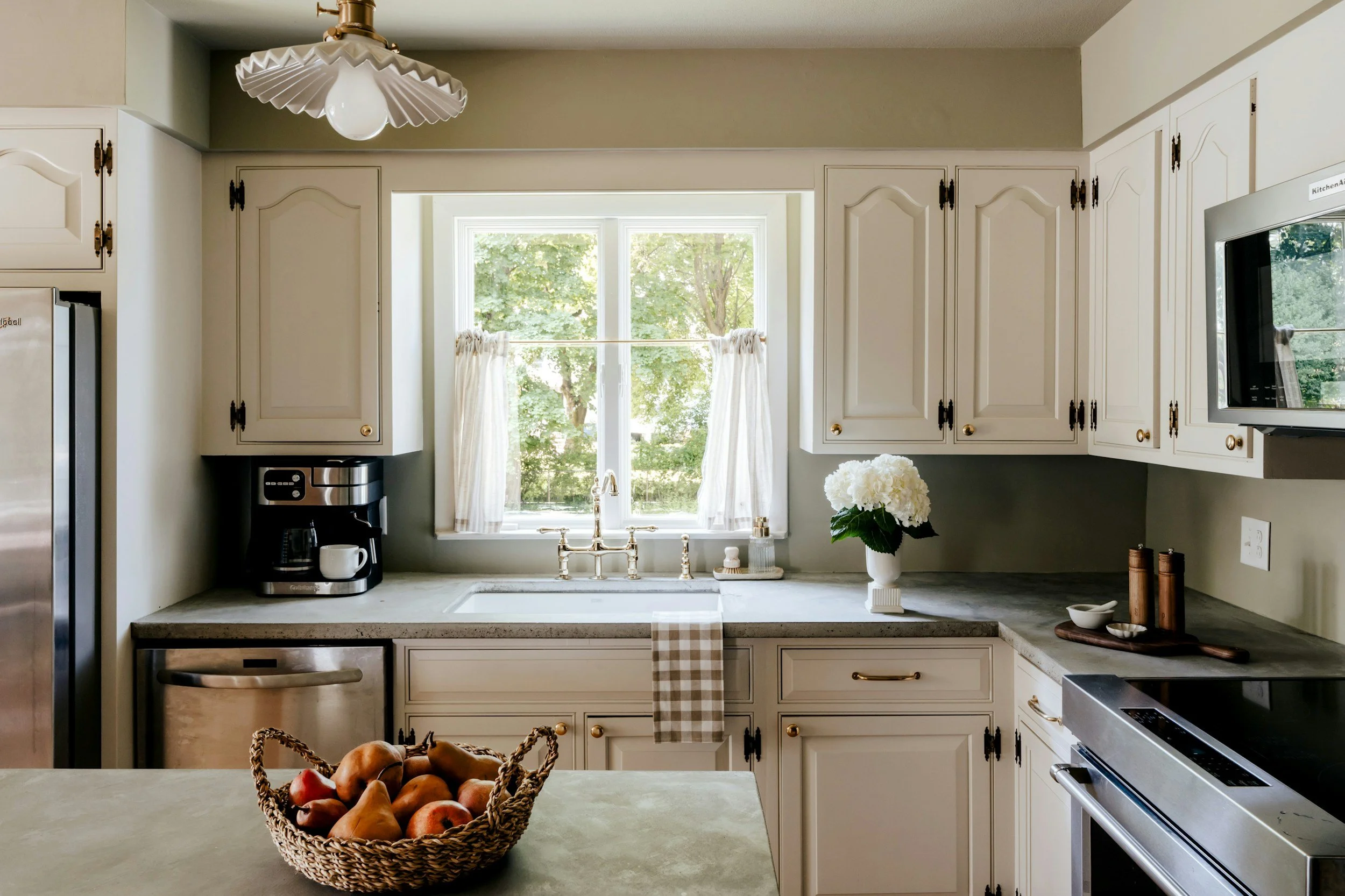
Write the Chapters That Matter Most, Not Just the Ones on Display
It's tempting to pour the majority of your design energy into the rooms guests see first: the formal living room, the entryway, the powder bath.
But the truest chapters of your home's story often unfold in the spaces no one else ever witnesses: the kitchen table where your family actually eats dinner together, the quiet corner where you actually sit for prayer each morning, the hallway where your children's growth is marked in pencil on a doorframe. These spaces deserve just as much intention as the ones on display, because they are, in many ways, the truest chapters of the story.
I think often of a client who spent two years chasing what she called the perfect formal living room. Every few months brought a new pillow, a new chair, a new arrangement, and none of it ever satisfied her for long.
One afternoon, midway through yet another round of changes, she paused and said something I've carried with me ever since: she kept decorating that room as though it was supposed to make her happy, and it never did.
That room, as it turned out, was telling a story, just not a true one. It said "look how put-together I am" to anyone who walked past it, while her real family life happened somewhere else in the house entirely, somewhere warmer, somewhere real.
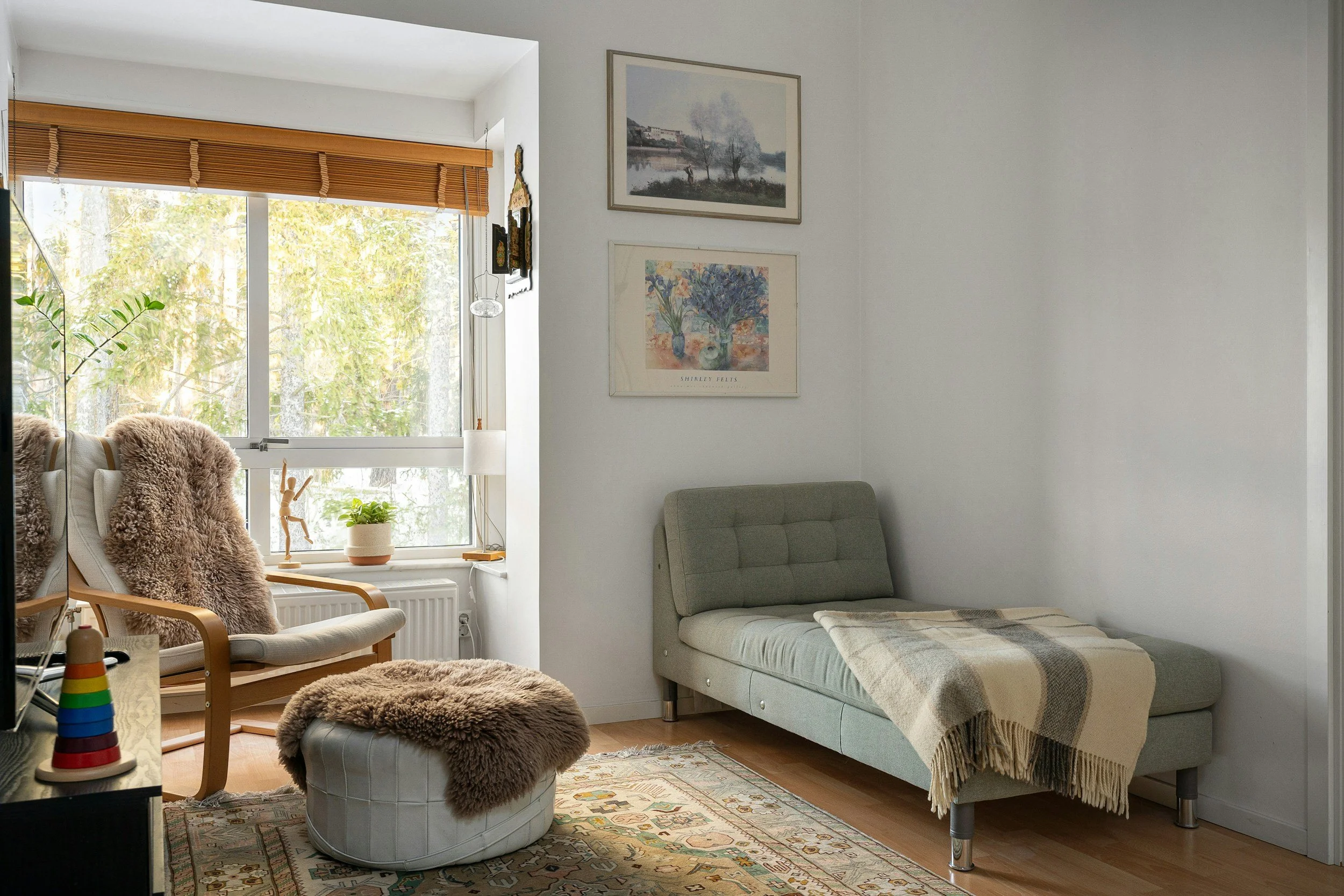
When we rebuilt it, we didn't design around appearances. We designed around truth: a table meant for shared meals, seating arranged to face each other instead of a television, a quiet corner set aside for her morning devotion. The room stopped performing a story. It started telling hers.
Conclusion
Your home is already telling a story, whether you've been intentional about it or not.
The good news is this: you are the author. You get to decide whether that story is one of performance or one of truth, whether it fades with every passing trend or whether it's rooted in something that lasts.
A home designed with that kind of eternal perspective doesn't just make a great first impression. It tells a story worth telling, long after the door closes behind your very last guest.
FAQ
What does it mean for a home to "tell a story"?
Every design choice, from your entryway to your everyday gathering spaces, communicates something about what your family values and how you actually live.
How do I know if my home's story is true rather than performed?
A helpful test is whether the rooms that look the most impressive are also the rooms your family actually uses and gathers in most.
Where should I start if I want my home to tell a more honest story?
Begin with your entryway, since it functions as your home's opening line and sets the tone for the story that follows.
Does designing with an eternal perspective mean ignoring style or beauty?
Not at all. It means letting beauty serve something true and lasting, rather than existing only to impress.
Resource
Take the Interior Design Personality Quiz, and it will tell you clearly whether Classic Romantic truly is your style, at shereedouglasbrock.com (scroll down to take the quiz)
Book a Beautiful Home Makeover Experience and transform your space in just a few hours—often using what you already own.