

How to Design for Hospitality and Privacy - Creating a Home That Welcomes Without Overwhelm
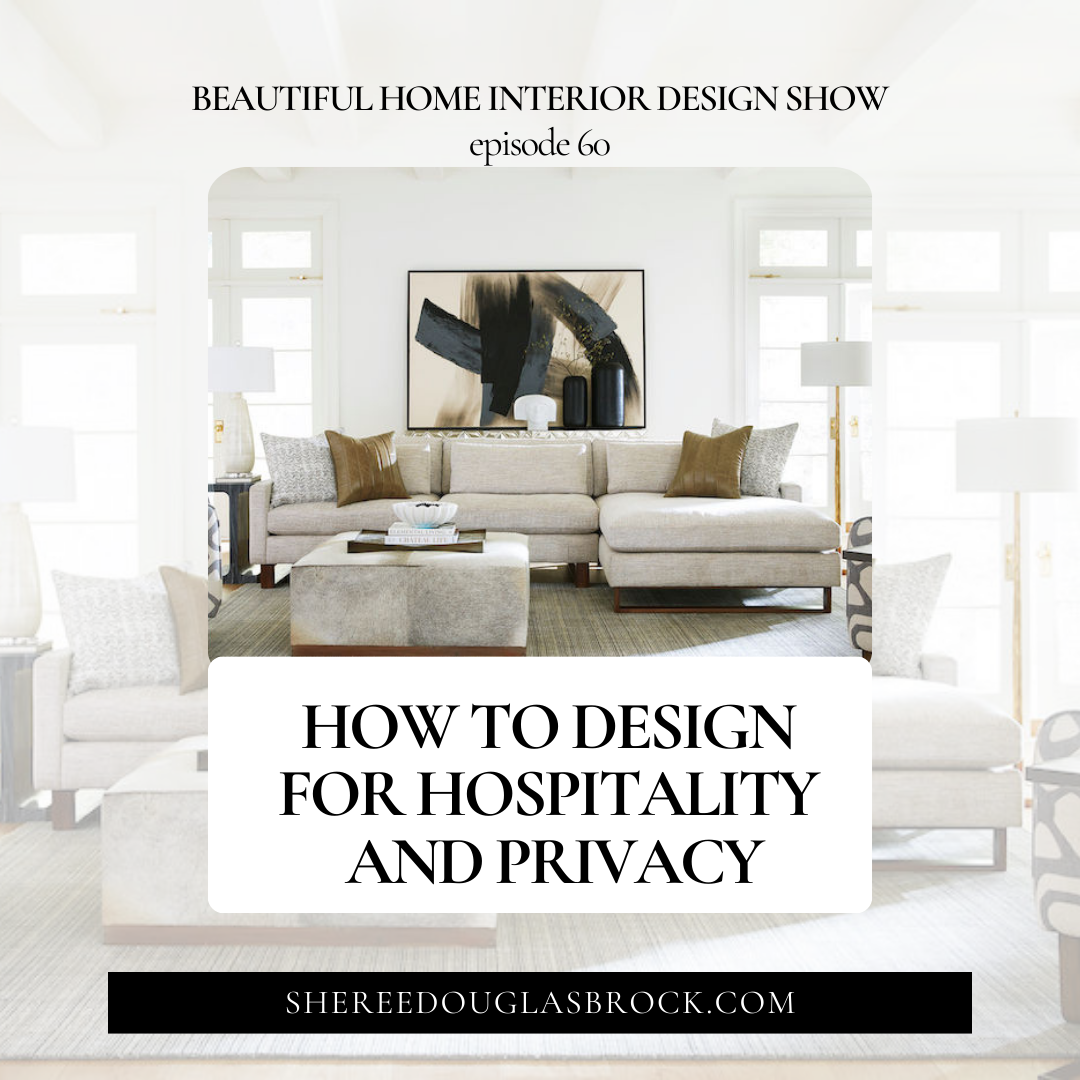
One of the most common challenges homeowners face is designing a home that feels welcoming to others while still protecting privacy and peace in daily life. Interior design for hospitality and privacy is not about choosing one over the other — it’s about designing with intention.
Many homeowners believe that opening their home to guests means sacrificing rest, boundaries, or personal space. In reality, a thoughtfully designed home can do both beautifully. When layout, furniture placement, and flow are planned correctly, your home can welcome others graciously without feeling exposed or overwhelming.
“Do not forget to show hospitality to strangers, for by doing so some people have shown hospitality to angels without knowing it.”
Today, we’ll explore how design creates rhythm — knowing when to open your home and knowing when to have privacy and rest.

WHY HOMES OFTEN FEEL EXPOSED OR CLOSED OFF
Many homes struggle with balance because they were never designed with both hospitality and privacy in mind. Open floor plans can unintentionally blur boundaries, making homeowners feel as though guests have access to every corner of their lives. On the other hand, overly closed-off layouts can feel isolating and uninviting.
The issue isn’t hospitality itself — it’s lack of zoning. Without clear transitions between public and private spaces, homeowners often feel on edge while entertaining or exhausted afterward. This leads to pulling back from hosting altogether or living in constant tension when guests arrive.
Good design removes this friction. When spaces are clearly defined, your home supports connection without demanding constant emotional energy.
WHEN A HOME WANTS TO SERVE TWO PURPOSES
I’ve worked with many clients who deeply value hospitality but quietly admit they feel drained every time they host. One client loved gathering friends and family but dreaded the aftermath — cluttered spaces, disrupted routines, and a sense that her personal life was always on display.
Once we adjusted her layout — redefining entry flow, repositioning furniture, and creating visual boundaries — something shifted. Hosting became joyful again. Her home felt generous without being exposed.
This is what thoughtful interior design does. It doesn’t force lifestyle changes — it supports them.

INTERIOR DESIGN PRINCIPLES THAT CREATE BALANCE
1| Hospitality Starts With Layout, Not Décor
True hospitality is about how people move, gather, and feel — not how decorative a space looks. Clear pathways, intuitive seating arrangements, and defined gathering zones allow guests to feel comfortable without wandering into private areas.
2| Privacy Is Created Through Design, Not Walls
You don’t need more doors to protect privacy. Strategic furniture placement, area rugs, lighting layers, and visual anchors subtly signal where public spaces end and personal spaces begin.
3| Design With Rhythm, Not Rigidity
A peaceful home understands rhythm — times of openness and times of retreat. Design that allows furniture to flex, lighting to soften, and spaces to transition supports both hosting and rest.
FAITH CONNECTION: DESIGNING A HOME THAT KNOWS WHEN TO OPEN AND REST
A well-designed home mirrors healthy life rhythms. It allows space for gathering, conversation, and generosity — while also honoring restoration and quiet. Peace isn’t accidental; it’s cultivated through thoughtful choices.
Wisdom shows up in how we steward our homes. When design aligns with daily rhythms, our spaces become supportive rather than demanding.
Designing with intention protects both peace and purpose.
“By wisdom a house is built, and through understanding it is established.”
A HOME THAT SERVES YOU WELL
You don’t have to choose between being welcoming and feeling protected. A home designed with clarity, flow, and intention naturally supports both. When layout and furnishings work together, hosting becomes joyful instead of exhausting — and daily life feels calmer and more grounded.
Interior design isn’t about perfection. It’s about creating a home that understands your needs and responds gracefully.
FAQ
How do you design a home for hospitality and privacy?
By zoning spaces through layout, furniture placement, and visual cues rather than walls.
Can open floor plans still feel private?
Yes. Strategic furniture grouping, rugs, lighting, and focal points create separation without closing spaces.
Do I need to remodel to improve privacy?
Often no. Small layout adjustments and furniture repositioning can dramatically improve balance. Explore other options like room dividers and adjusting the traffic flow to see if that helps. Sometimes the only way to fix the problem is a remodel.
Why does my home feel exhausting when I host guests?
Lack of spatial boundaries often creates mental and emotional fatigue during gatherings. And…parties can be exhausting, but hopefully fun too!
Resources
Interior Design Personality Quiz — Discover how your personal style influences layout, flow, and balance in your home. Go to shereedouglasbrock.com to take the quiz.
1:1 Interior Design Consult, a personalized guidance for homeowners ready to create clarity and confidence.