

Is Your Home a Winter? How to Decorate with Crisp, Dramatic Color and Confidence

There is a particular kind of homeowner who walks into a designer showroom and gravitates, almost against her own expectations, toward the black lacquer console instead of the honey-toned oak sideboard. She lingers by the sapphire velvet chair rather than the cream linen sofa. She loves a striking black-and-white photograph more than a soft watercolor landscape. If this sounds like you, there is a good chance your home — and quite possibly your personal design instinct — belongs to what stylists call the Winter palette.
Seasonal color analysis has been used for decades in fashion to determine which colors make a person's complexion glow rather than fade. The same underlying logic can be applied to a home. Every house has fixed elements that cannot be easily or affordably changed: the undertone of the flooring, the finish on the cabinetry, the architectural bones of the structure, and the quality and direction of the natural light that fills each room. These elements determine your home's "season" the same way your skin tone and eye color determine yours. And just as fighting your wardrobe's natural palette leaves you looking washed out, fighting your home's natural palette leaves a room feeling perpetually unfinished, no matter how much time or money is poured into it.
Understanding What Makes a Home a Winter Home
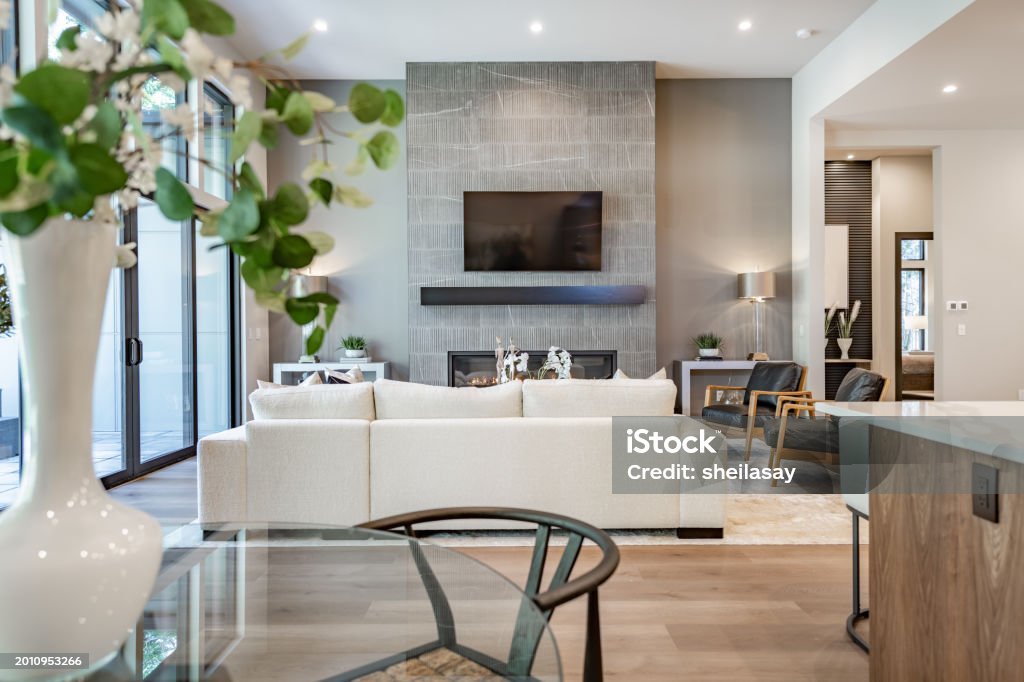
A Winter home is defined by coolness and clarity.
Start by looking at your flooring. Is it an ashy gray wood or a stark, cool-toned tile rather than something warm and honeyed?
Next, examine your architectural features — your cabinetry, your countertops, your fireplace surround, any exposed structural elements. Winter homes tend to favor clean lines, sharp geometry, and materials with a cool undertone: white quartz, black granite, brushed or polished metal.
Finally, consider your natural light. Winter homes often receive bright, direct light or crisp, high-contrast light rather than the soft golden glow associated with warmer seasons.
If those elements sound familiar, your home is very likely a Winter — and that is wonderful news, because Winter is one of the most striking, sophisticated palettes a home can carry when it's decorated with intention rather than apprehension.
The Power of High Contrast
Where a Spring or Autumn home thrives on gentle blending, a Winter home comes alive through contrast.
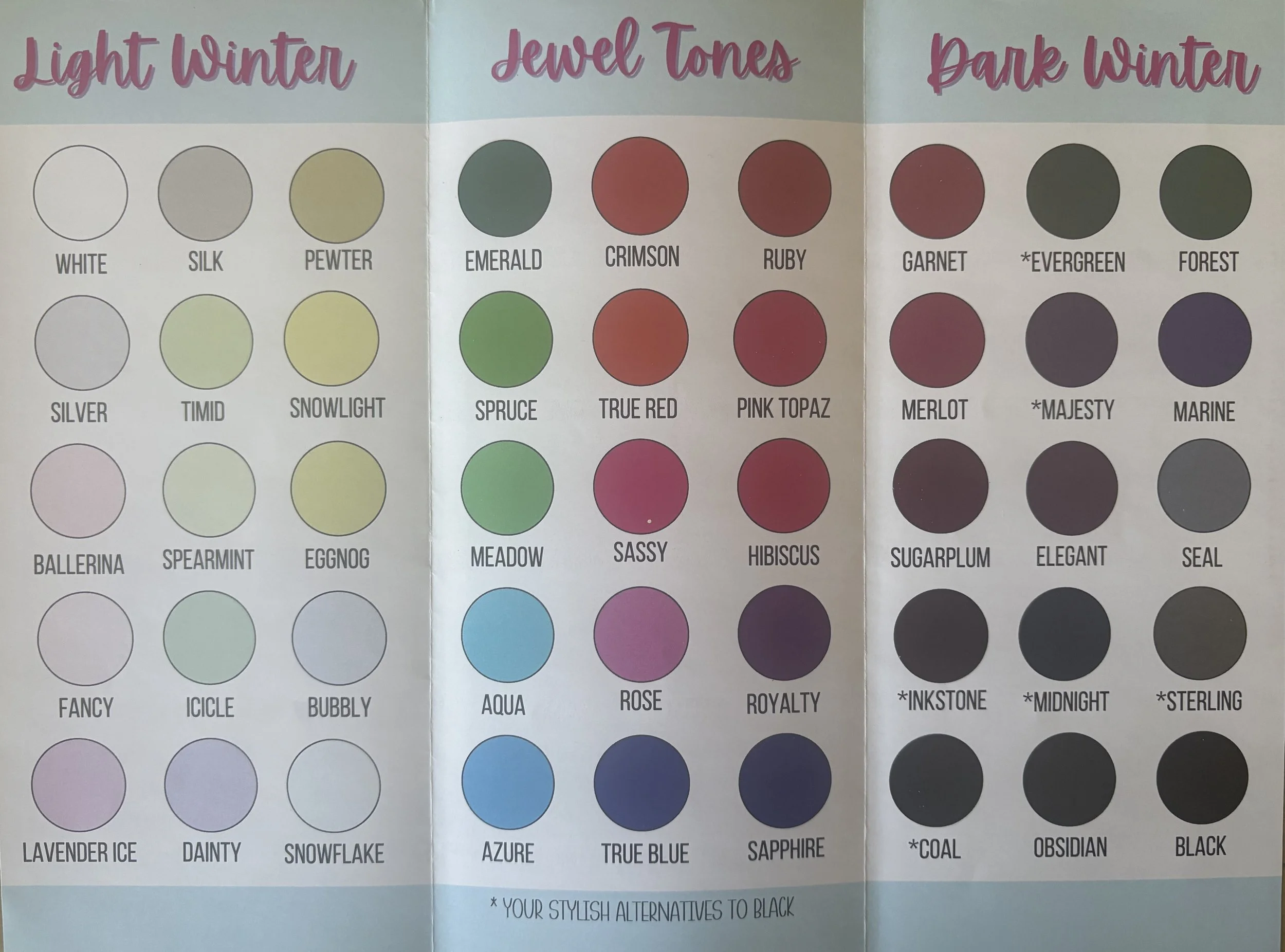
The foundational move is pairing a true, deep black with an optic, bright white — not cream, not off-white, but a genuinely crisp white that reads almost architectural in its clarity. This pairing forms the stage. From there, the real magic happens when you introduce one or two saturated jewel tones: a deep sapphire, an emerald, a garnet red. Against all that black-and-white clarity, a single jewel-toned accent pillow or piece of art reads like a gemstone set against polished silver. It doesn't need company. It needs space to shine.
This is where many homeowners with Winter instincts get nervous. Contrast this bold can feel intimidating on paper, but in practice it is one of the most forgiving palettes to work with, because it relies on restraint rather than accumulation. You are not layering twelve different colors and hoping they blend. You are choosing very few colors and trusting them completely.
Choosing the Right Metals for a Winter Home
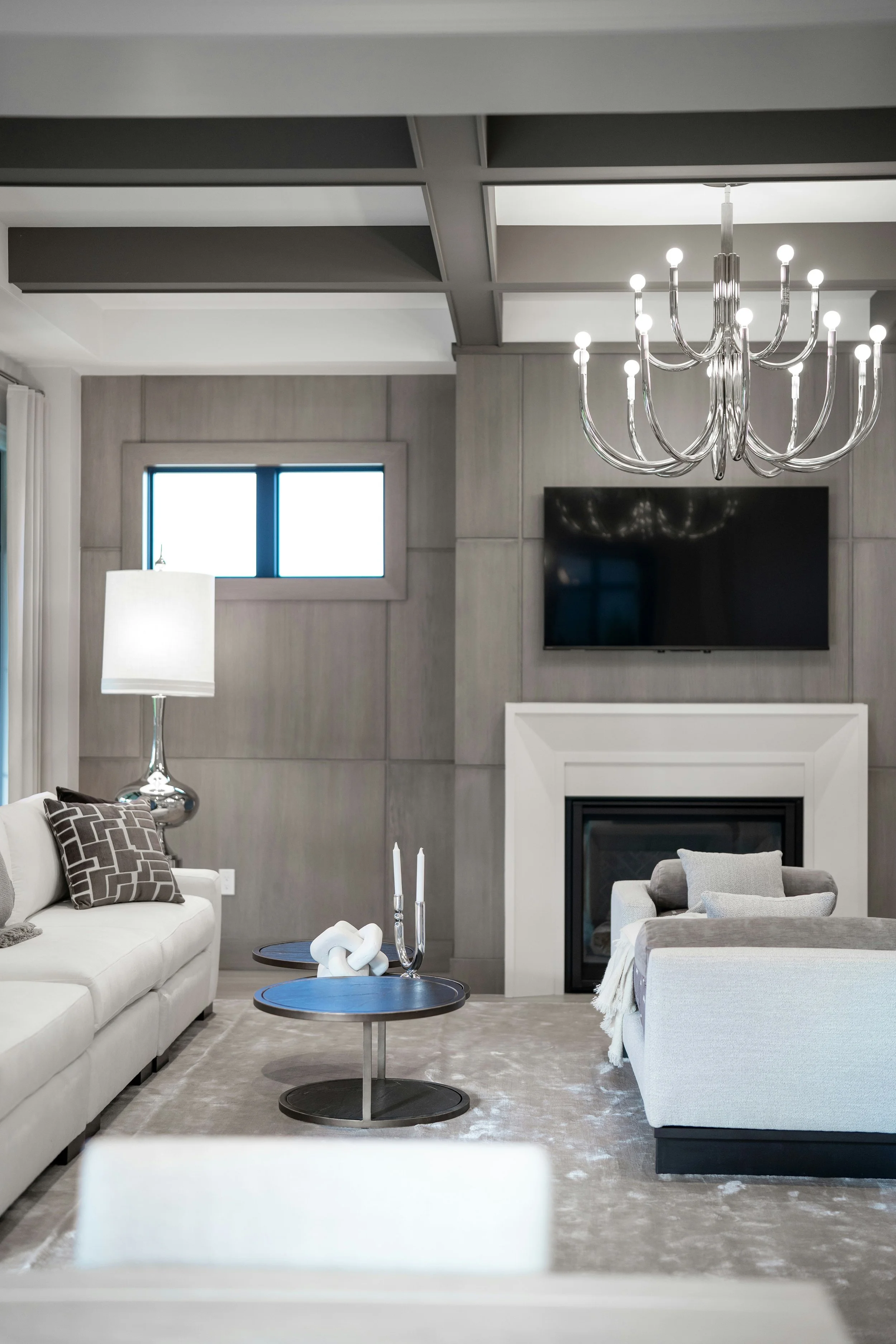
Metal finishes function almost like jewelry for a room, and in a Winter home, the rule is simple: stay cool.
High-shine chrome, polished silver, and dramatic matte black all belong here. These finishes echo the crispness of the palette rather than working against it.
Warm metals — brass, copper, anything with a golden cast — tend to soften and muddy the clarity of a Winter room rather than complement it. If you already own warm-toned fixtures and are not ready for a full renovation, consider swapping smaller, less expensive pieces first: cabinet hardware, a lamp base, a picture frame. These smaller updates can shift the entire feel of a room without requiring a full remodel.
Texture: Sleek, Reflective, and Occasionally Dramatic
Winter homes favor texture that is smooth and reflective rather than nubby or organic. Polished marble, glass, lacquered wood finishes, and ceramic surfaces all reinforce the clean, architectural feeling that defines this palette.
When you do want to introduce something soft — and every room needs at least one soft element to feel livable rather than sterile — make it dramatic rather than timid. A faux fur throw in deep charcoal or black, or a richly woven velvet pillow in midnight blue, gives the room warmth of touch without compromising its cool visual identity.
Patterns That Belong in a Winter Home
Where a Spring home might reach for a delicate floral or a Summer home for a soft watercolor wash, a Winter home calls for boldness.
Wide black-and-white stripes, large-scale abstract shapes, and striking geometric patterns all feel at home here. If you have ever been drawn to a dramatic checkerboard floor, a bold geometric area rug, or an oversized abstract canvas as the anchor piece of a room, that pull was your Winter instinct guiding you correctly.
The Mistake Most Winter Homeowners Make
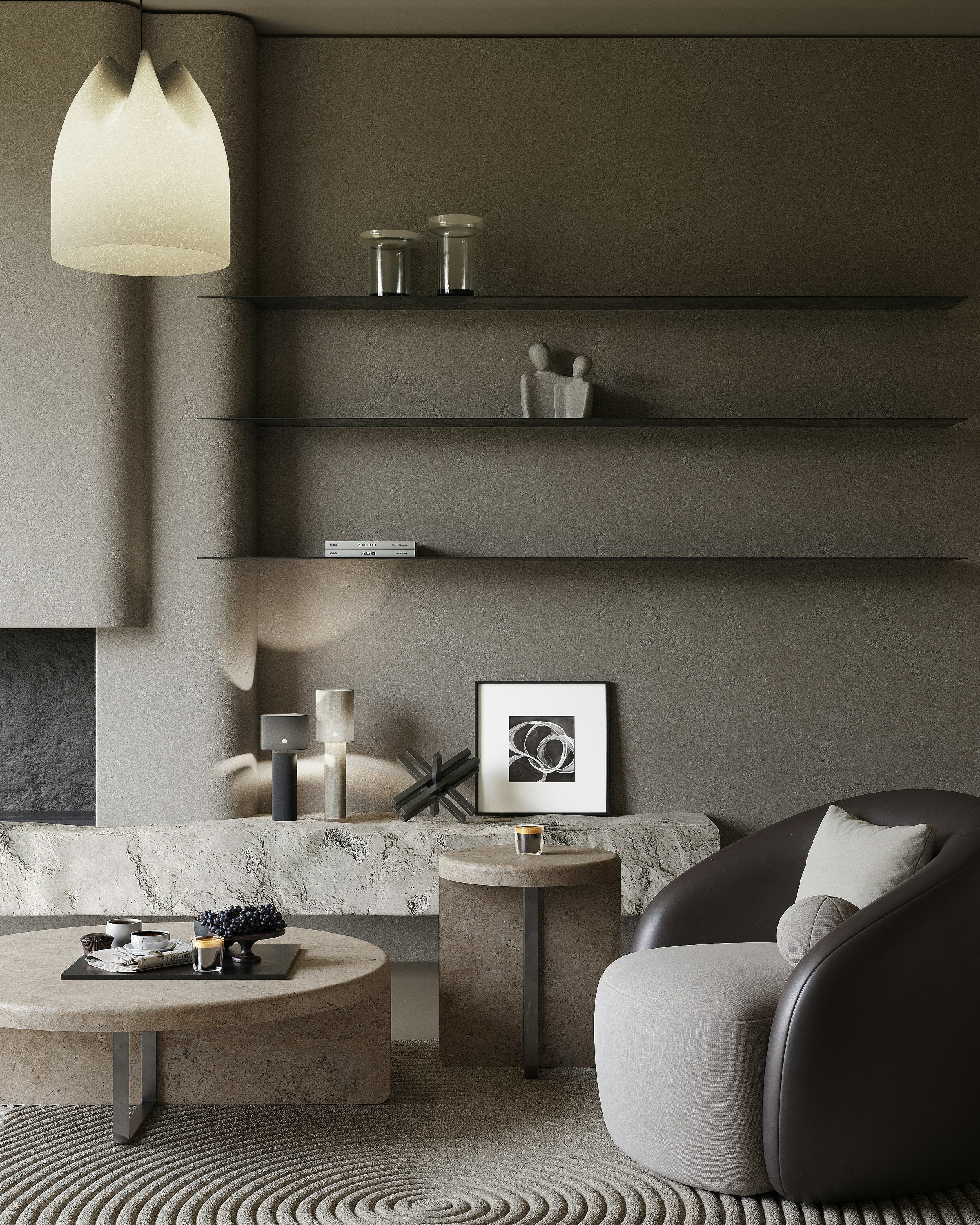
The single most common mistake I see is homeowners with genuinely Winter homes trying to warm the space up because they associate coziness exclusively with beige walls and honey-toned wood. When you fight your home's natural season this way, the result is rarely warmth — it is confusion. The room stops making visual sense. Instead, coziness in a Winter home comes from something else entirely: one dramatic soft texture, generous and well-placed lighting, and a wholehearted commitment to the palette your home was already asking for.
A Season That Reflects a Deeper Truth
There is something beautifully fitting about the boldness of the Winter palette when you consider it alongside Isaiah 1:18, which promises that even sins as deep and saturated as scarlet or crimson can be made as white as freshly fallen snow. The visual language is almost identical to what a well-designed Winter room does: it takes the boldest, most saturated color and lets it stand against a field of pure, bright white, transformed and made new. Just as no color is too deep for that kind of transformation, no home — and no homeowner second-guessing her own instincts — is too far along in the wrong direction to start fresh with a plan that finally fits.
If you've read through this and found yourself nodding — recognizing your own cool-toned floors, your pull toward bold contrast, your quiet love of a dramatic black-and-white moment — trust that instinct. Your home has been trying to tell you its season all along. The next step is simply learning to listen to it, and then building a room around what it's already telling you it wants to be.
FAQ
How do I know if my home is a Winter and not a Summer, since both are cool-toned?
Look at contrast and saturation rather than just coolness. A Winter home leans toward stark, high-contrast elements like true black and optic white with bold jewel-tone accents, while a Summer home leans toward softer, more muted cool tones without that same sharp contrast and often uses closely related colors together.
Can I decorate a Winter home if I personally prefer softer, warmer colors?
You are going to feel your very best if you surround yourself with your own personal colors. These colors will look fabulous with your skin color, eye color, and hair color.
Yes, you can decorate in cool colors if you are warm colors, though it helps to understand that fighting your personal colors or your home's fixed elements with warm neutrals often creates visual confusion rather than coziness. You can still soften a Winter room through texture without abandoning the palette your home naturally calls for, but it is always best to surround yourself with your personal best colors, same as you do with your clothing.
Do I need to replace my metal fixtures if they're the wrong warmth for a Winter home?
This fixture will not look great in the room, but you can start with smaller, less expensive swaps like cabinet hardware, a lamp base, or a picture frame that can shift a room's feel significantly before committing to a full fixture replacement.
What's the easiest first step to bring the Winter palette into a room I already have?
Start with one saturated jewel-toned accent, such as a sapphire pillow or an emerald lamp, set against your existing black-and-white or neutral foundation. This single addition often sets the stage for your Winter palette in your room.
Resource
Take the Interior Design Personality Quiz to understand your style, your priorities, and how to make decisions with confidence at shereedouglasbrock.com (scroll down to take the quiz)
Book a Beautiful Home Makeover Experience and transform your space in just a few hours—often using what you already own.